Los Angeles
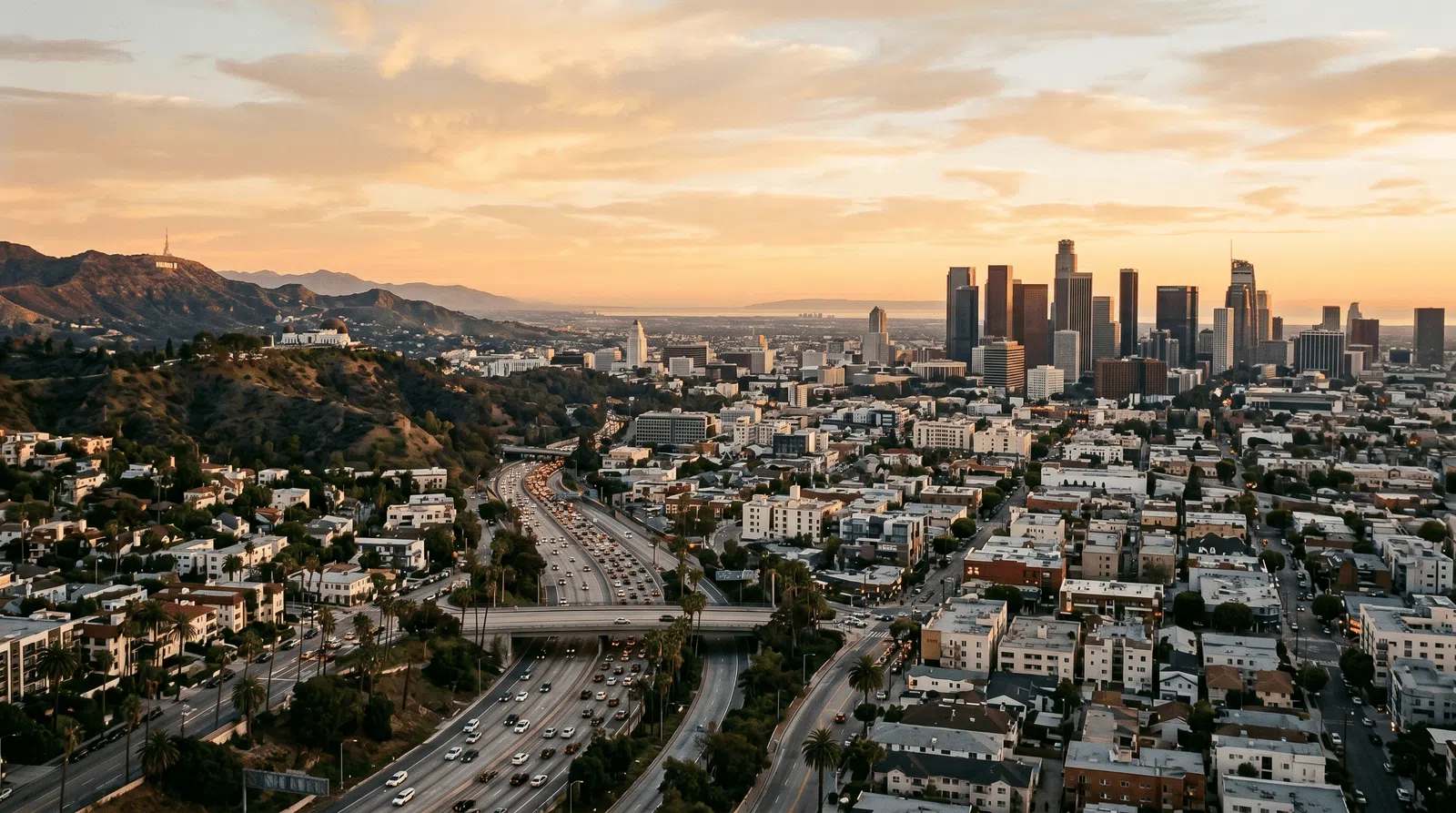
Los Angeles is not a singular city, but a vast, decentralized archipelago of distinct neighborhoods stitched together by concrete freeways and bathed in a legendary, golden light.
Guests & rooms
The Los Angeles guide
An insider’s read on Los Angeles
LLos Angeles is not a singular city, but a vast, decentralized archipelago of distinct neighborhoods stitched together by concrete freeways and bathed in a legendary, golden light.
The city's modern identity was forged by successive waves of speculators, dreamers, and immigrants, beginning with the Spanish ranchos, transitioning through a massive 19th-century oil boom, and culminating in the birth of the global entertainment industry. This history of rapid expansion and reinvention has left Los Angeles with a unique architectural and cultural landscape. It is a city defined by horizontal growth, mid-century modern optimism, and a culinary scene shaped by deep-rooted diaspora communities from across the Pacific Rim and Latin America.
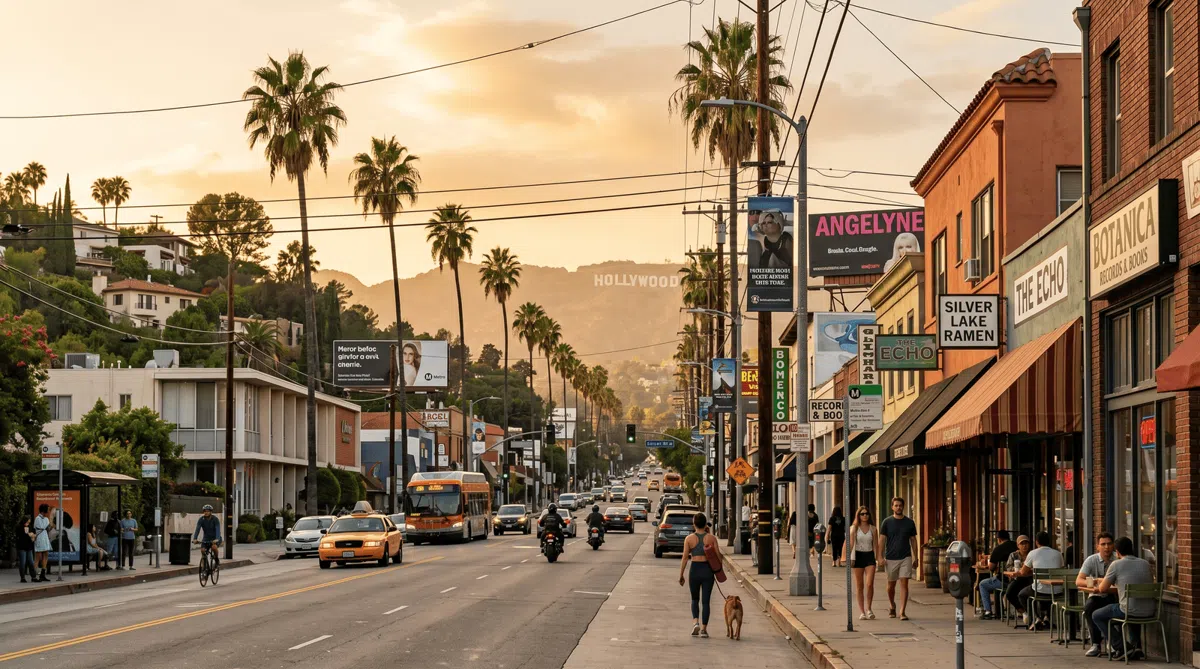
PLATE ILos Angeles, United States
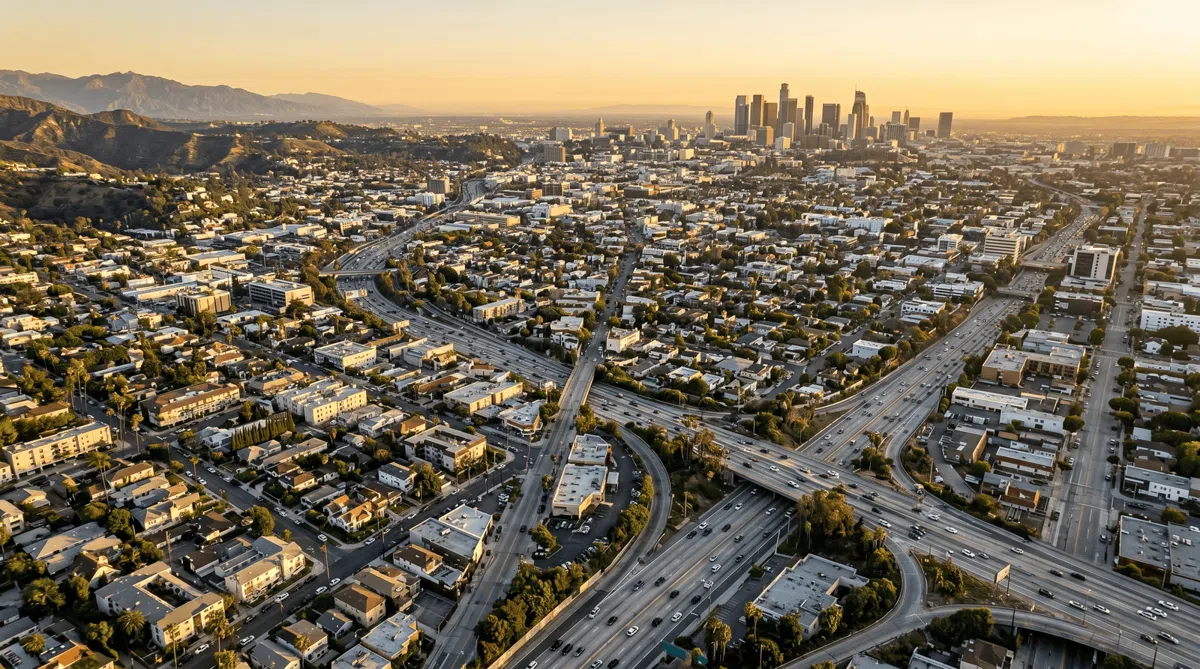
Guides & ideas
The Los Angeles reading list
Hand-written guides from our editors — itineraries, the best of after dark, where to eat, and what’s genuinely worth your time.
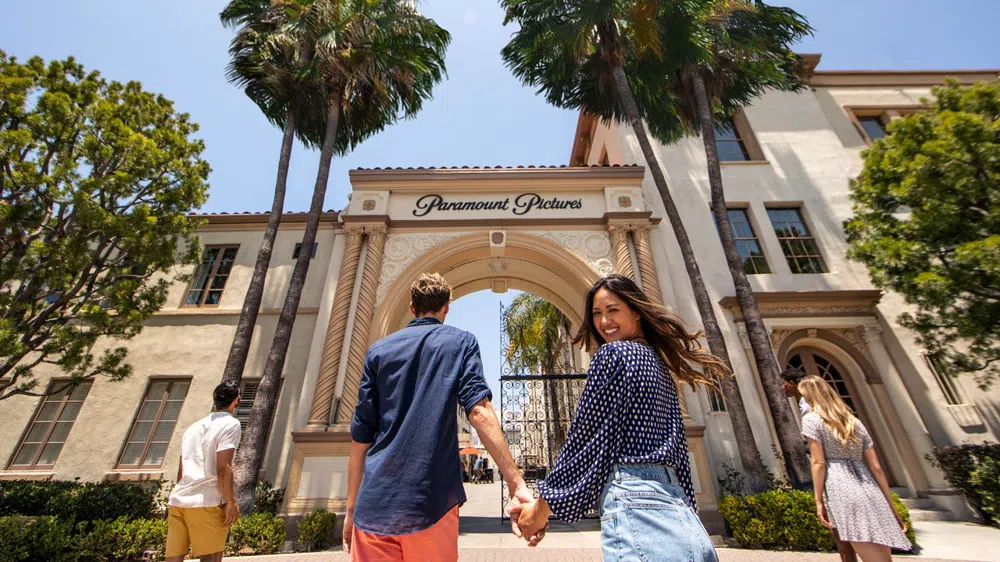
Walking the Los Angeles Backlots After the Crews Wrap
The lots that actually run after dark, the prop vaults you have to phone first, and the Burbank rooms where the crews land at wrap. A night-shift plan for film-obsessed Los Angeles.
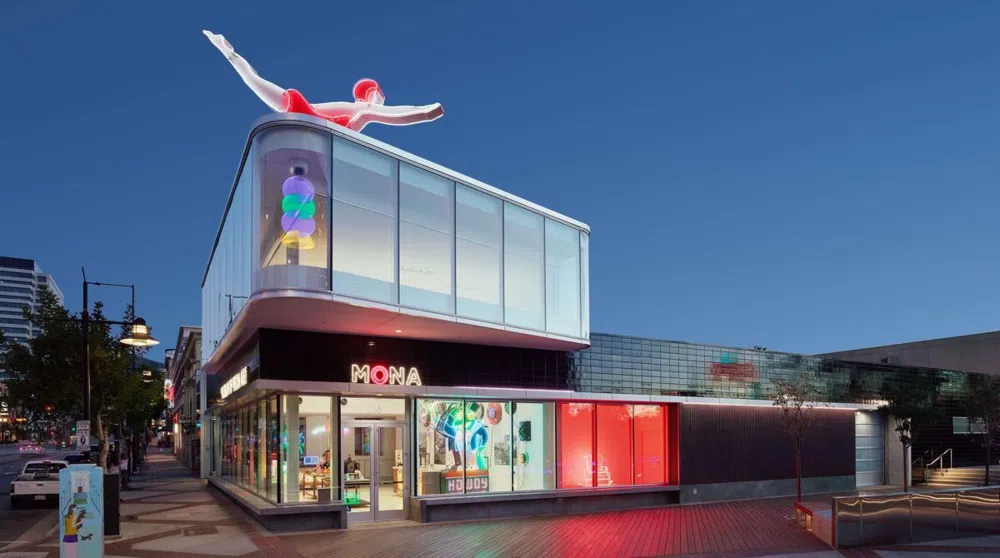
The Neon That Los Angeles Refused to Turn Off
A night-by-night route through the surviving hand-bent tubing of Los Angeles, from a landmarked Hollywood speakeasy to a diner sign with a lease that runs out this December.
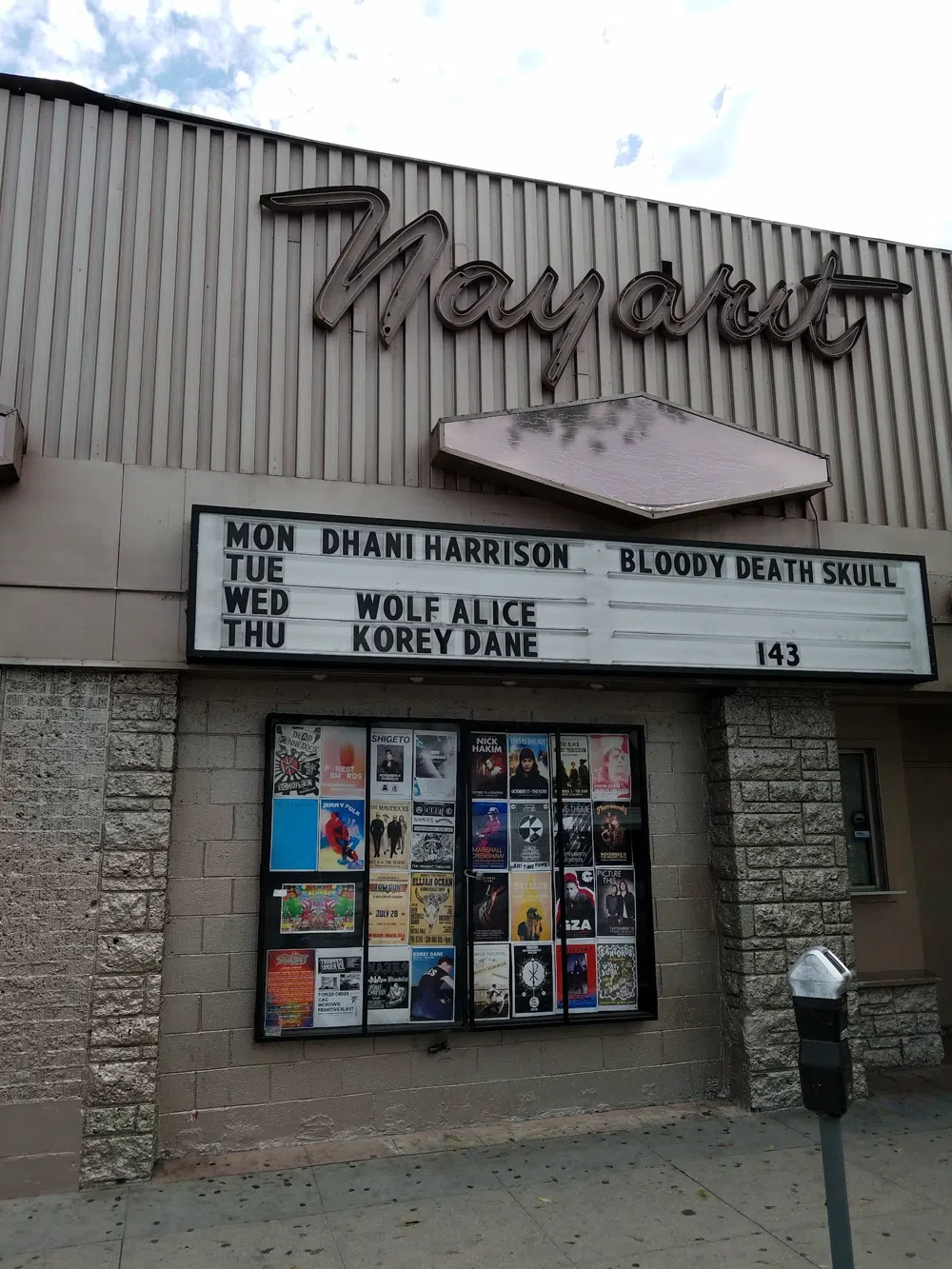
Two Nights of Los Angeles Music, Jazz to Arena Pop
From a free Echo Park residency to a K-pop finale at Crypto.com Arena, here is exactly what plays across Los Angeles on August 17 and 18, 2026.
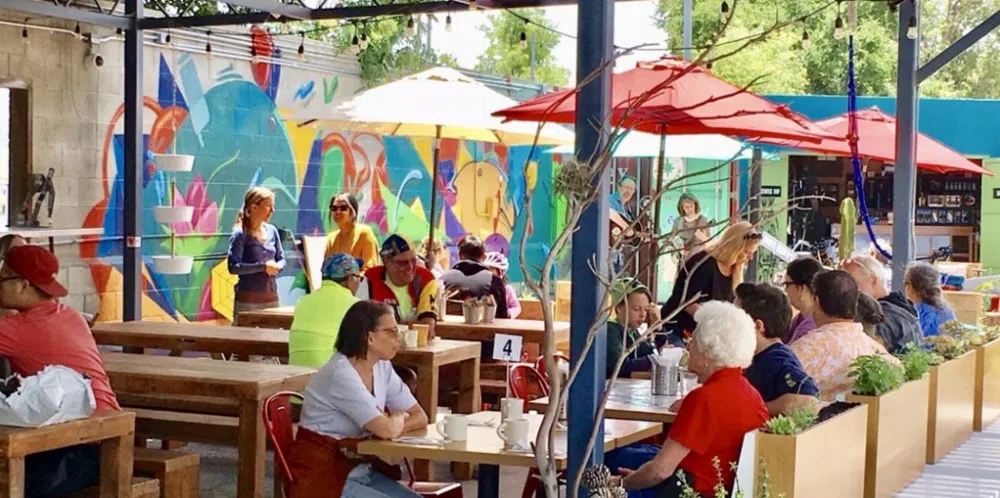
The Concrete River: Walking the Los Angeles River from Frogtown to the Arts District
A river Hollywood declared dead runs quietly back to life between Frogtown's cafés and the Arts District's galleries — here's how to walk it in 2026.
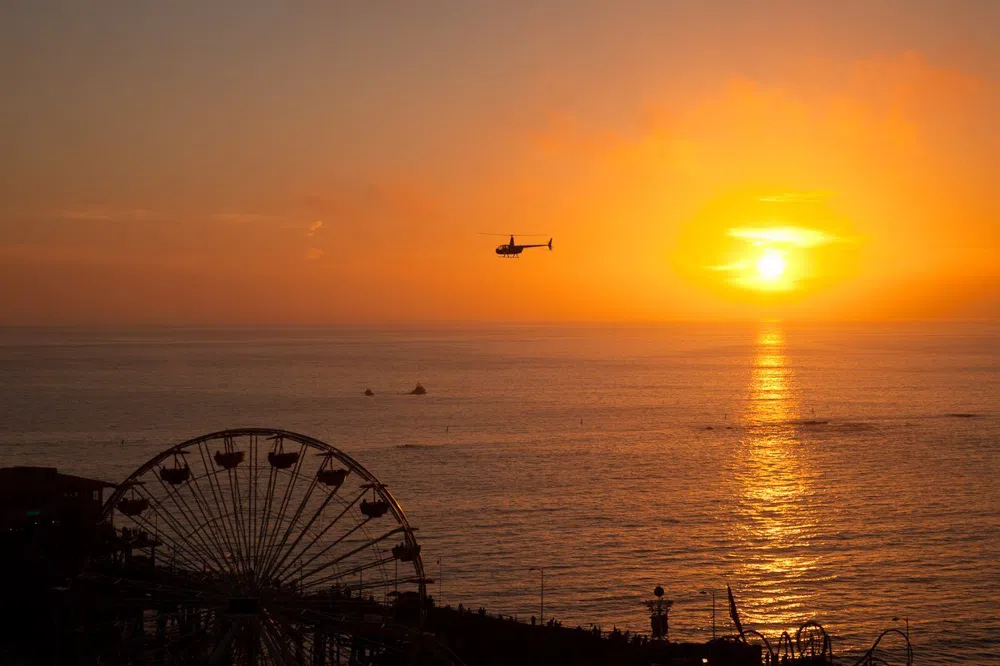
The Aerial City: Seeing Los Angeles from Above
Helicopters, biplanes, silent paragliders, and two free hilltop terraces — a clear-eyed guide to every honest way of seeing Los Angeles from the air in 2026.
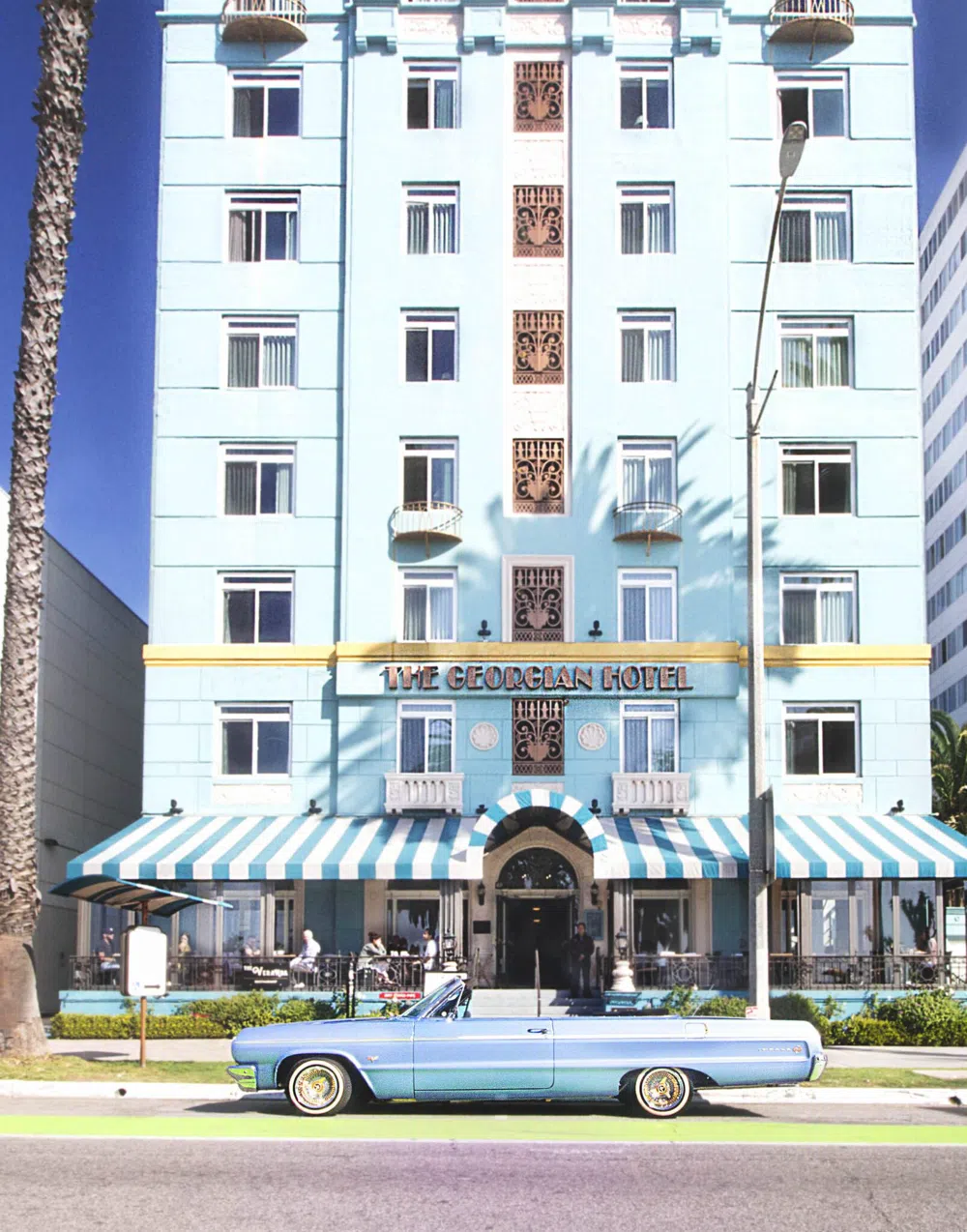
The Lowrider Scene as a Rolling Cultural Archive
In Los Angeles, lowrider culture lives across a museum exhibit, a passenger seat, and two very different boulevards - here's how to see all of it without disrespecting any of it.
Where to base yourself
The neighborhoods
01
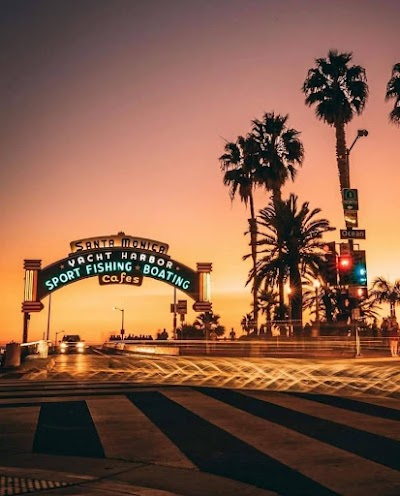
Santa Monica
For Ideal for first-time visitors who want beach access and walkability, though it can feel overly manicured and detached from the rest of the city's gritty energy.
A polished coastal enclave where upscale urban living meets the Pacific Ocean, defined by wide sandy beaches, a historic pier, and breezy, palm-lined streets.
Where to stay — Focus on boutique hotels along Ocean Avenue or luxury properties directly on the beach.
02
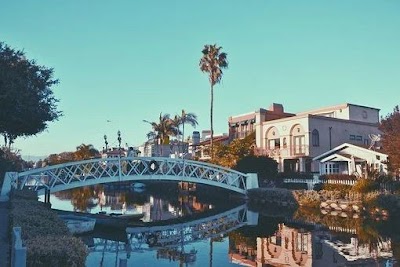
Venice
For Suits travelers seeking a creative, eccentric coastal vibe, but the boardwalk area can feel intense and chaotic after dark.
A bohemian beach neighborhood where tech wealth clashes with counter-culture roots, featuring historic canals, a gritty boardwalk, and high-end shopping streets.
Where to stay — Look for modern architectural rentals near the canals or boutique hotels on Abbot Kinney Boulevard.
03
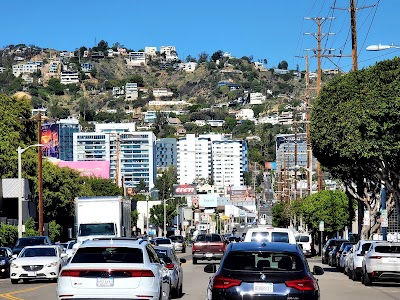
West Hollywood
For Perfect for nightlife lovers and shoppers who want a central, highly walkable base, though hotel prices and dining are premium-rate.
The high-energy design, nightlife, and LGBTQ+ epicenter of the city, bounded by the Sunset Strip and Melrose Avenue.
Where to stay — Choose from legendary rock-and-roll hotels on the Sunset Strip or sleek design properties near Melrose.
04
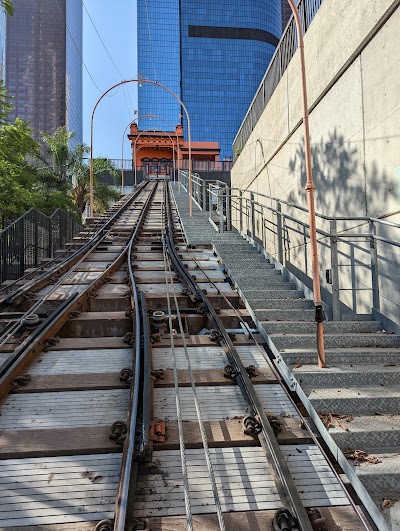
Downtown Los Angeles (DTLA)
For Great for culture enthusiasts and food lovers who want to use the rail system, though the stark contrast of extreme wealth and homelessness is highly visible here.
A dense, historic urban core undergoing rapid redevelopment, characterized by Beaux-Arts architecture, modern skyscrapers, and a thriving arts scene.
Where to stay — Opt for converted historic buildings or modern luxury high-rises in the Financial District or South Park.
05
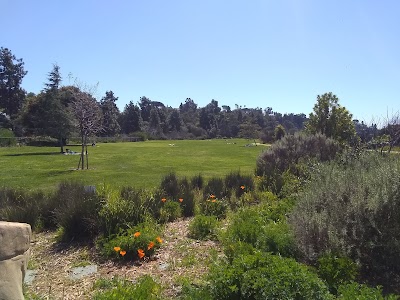
Silver Lake & Echo Park
For Suits independent travelers, artists, and coffee enthusiasts, though parking is notoriously difficult and public transit connections are weak.
The creative heart of the Eastside, characterized by steep hills, mid-century modernist homes, indie music venues, and a relaxed, community-focused vibe.
Where to stay — Look for stylish guesthouses in the hills or small boutique inns along Sunset Boulevard.
06
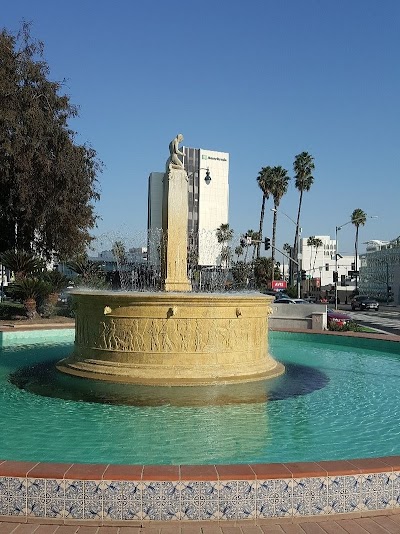
Beverly Hills
For Designed for travelers seeking quiet, high-security luxury and fine dining, though it lacks the creative edge found in other parts of the city.
An ultra-luxury enclave of manicured lawns, grand estates, and high-end fashion houses, operating with its own highly responsive police force.
Where to stay — Historic five-star grand dame hotels or secluded canyon resorts.
07
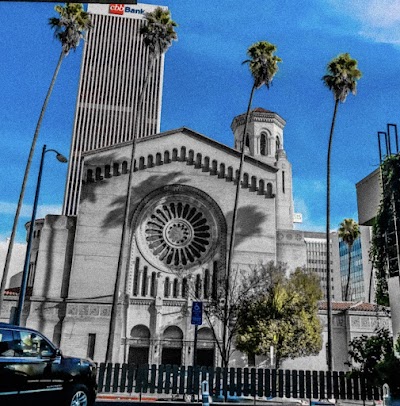
Koreatown
For Suits food-obsessed travelers and night owls, though the neighborhood is gritty, noisy, and parking is almost impossible to find.
A high-density, 24-hour neighborhood packed with strip malls, historic Art Deco buildings, and the largest concentration of Korean businesses outside the peninsula.
Where to stay — Mid-century design hotels or historic high-rises along Wilshire Boulevard.
08
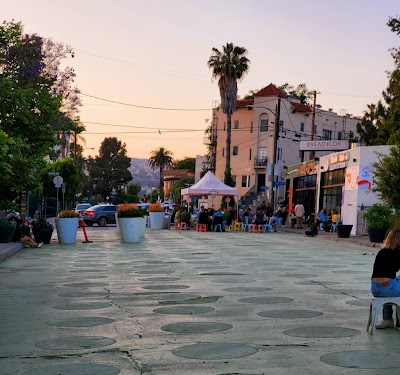
Hollywood
For Best for a quick daytime visit to see historic landmarks, but staying here can feel overly commercialized and hectic.
A chaotic mix of old-world cinematic history and gritty tourist traps, where historic theaters sit alongside modern entertainment complexes.
Where to stay — Modern boutique hotels near Hollywood and Vine or historic properties near the hills.
09
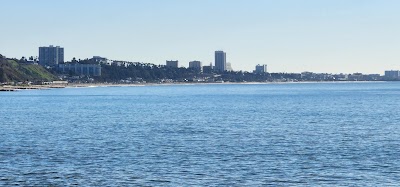
Malibu
For Ideal for nature lovers, surfers, and those seeking a quiet coastal retreat, but it is isolated and requires a car for any activity.
A narrow, 21-mile strip of coastline where rugged Santa Monica mountains meet the Pacific, defined by private beach clubs and surf culture.
Where to stay — High-end beachfront bungalows or boutique motels along the Pacific Coast Highway.
Book direct
Book a hotel in Los Angeles
Loading live availability and real-time prices…
Where to eat
Dining
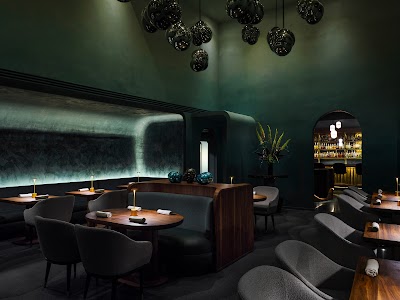
Providence
€€€€Hollywood
Chef Michael Cimarusti's multi-course tasting menus represent the absolute pinnacle of sustainable, refined seafood dining in the city.
Signature — The salt-crusted wild Santa Barbara spot prawns.
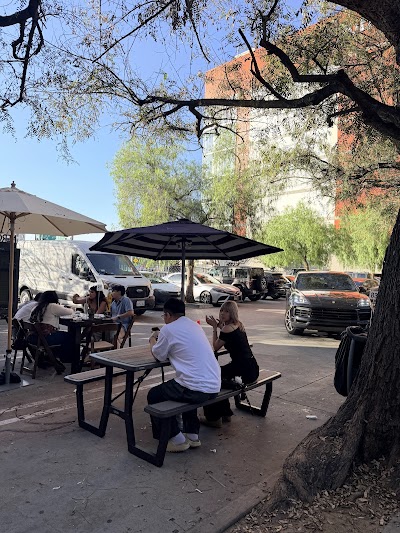
Holbox
€€South Los Angeles
Located inside a vibrant community market, this counter-service spot serves Michelin-caliber Yucatecan-style coastal dishes.
Signature — The wood-grilled octopus taco with wild Mexican shrimp sausage.
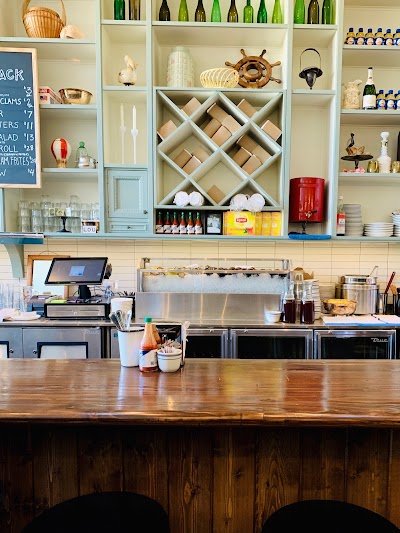
Found Oyster
€€€East Hollywood
A tiny, high-energy raw bar that blends New England classic seafood shack vibes with creative West Coast flavors.
Signature — The scallop tostada with yuzu kosho and apple.
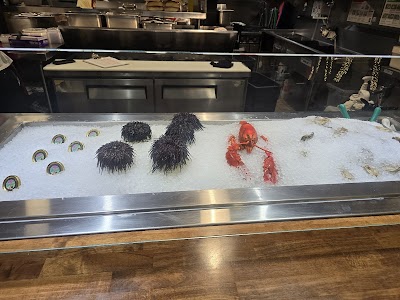
Broad Street Oyster Co.
€€Malibu
A casual surf-shack destination famous for serving decadent, over-the-top seafood classics right off the highway.
Signature — The warm lobster roll served with butter and caviar.
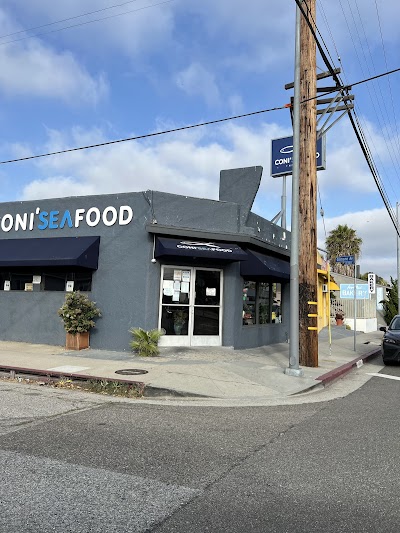
Coni'Seafood
€€Inglewood
A family-run institution specializing in Nayarit-style Mexican seafood, utilizing ingredients imported directly from Sinaloa.
Signature — Pescado Zarandeado, a butterflied snook grilled over charcoal.
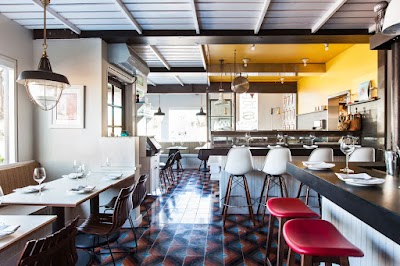
Fishing with Dynamite
€€€Manhattan Beach
An intimate, coastal raw bar serving pristine oysters and inventive seafood dishes just steps from the sand.
Signature — The Maryland blue crab cake with grain mustard remoulade.
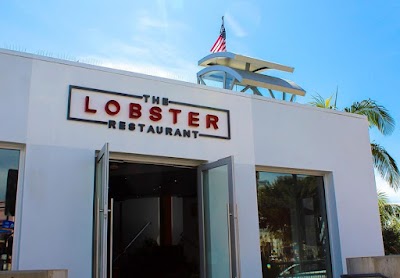
The Lobster
€€€€Santa Monica
A historic establishment cantilevered over the sand, offering classic preparations and panoramic views of the pier.
Signature — The grilled whole Maine lobster.
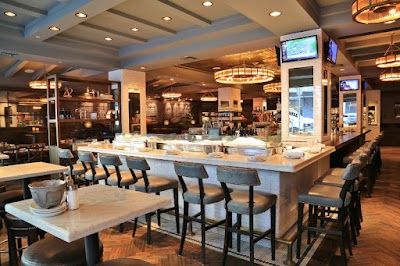
Water Grill
€€€Downtown Los Angeles
A grand, classic seafood hall with massive live-tanks, serving business crowds and travelers since 1989.
Signature — The iced shellfish platter.
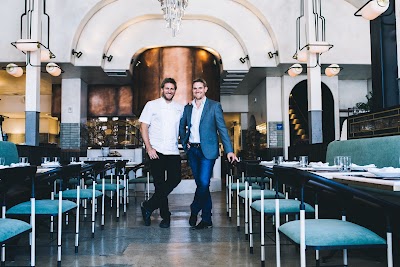
Gwen
€€€€Hollywood
Chef Curtis Stone's elegant venue features a world-class retail butcher shop in front and a wood-fire dining room in back.
Signature — The dry-aged ribeye cooked over almond wood.
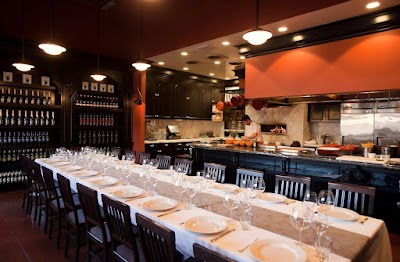
Chi Spacca
€€€€Hancock Park
Part of the Mozza complex, this intimate dining room is a meat-centric temple focused on Italian curing and open-fire grilling.
Signature — The 42-ounce Tomahawk pork chop.
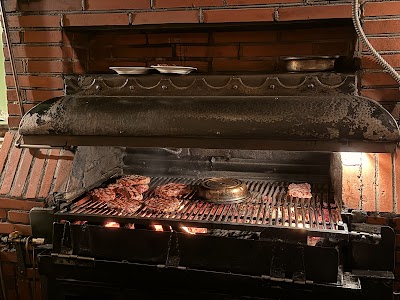
Musso & Frank Grill
€€€Hollywood
Operating since 1919, this is Hollywood's oldest restaurant, featuring red leather booths and waiters in red tuxedos.
Signature — The bone-in New York strip steak paired with a classic martini.
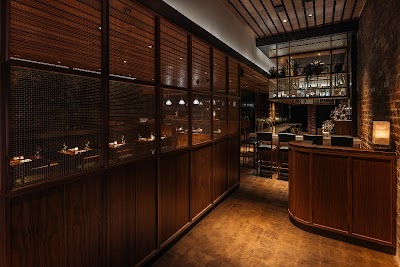
Matu
€€€€Beverly Hills
A modern steakhouse dedicated entirely to 100% grass-fed Wagyu beef, served across a series of structured courses.
Signature — The Wagyu ribeye cheesesteak.
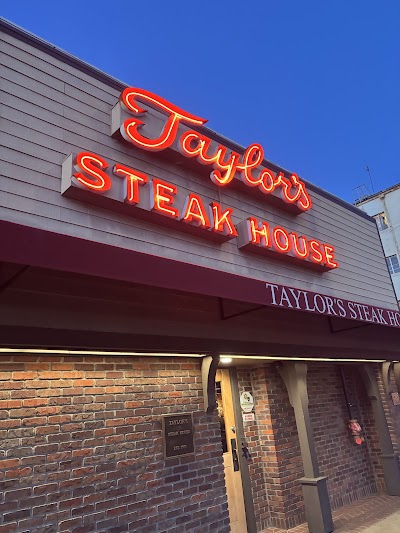
Taylor's Steakhouse
€€Koreatown
An old-school, dark-wood neighborhood steakhouse serving prime cuts to locals and politicians since the 1950s.
Signature — The Culotte steak.
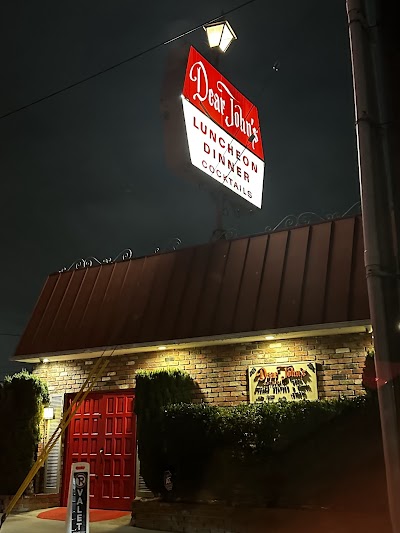
Dear John's
€€€Culver City
A retro, mid-century neighborhood joint saved from demolition, serving classic steaks with live piano music.
Signature — The filet mignon with green peppercorn sauce.
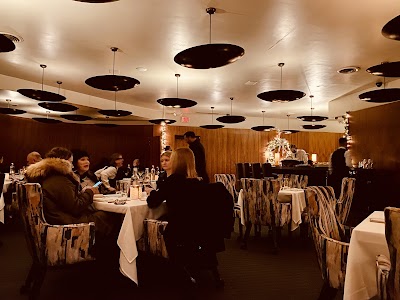
Jar
€€€Beverly Grove
Chef Suzanne Tracht's modern take on the classic American chophouse, set in a chic, retro-modern dining room.
Signature — The signature pot roast with carrots and caramelized onions.
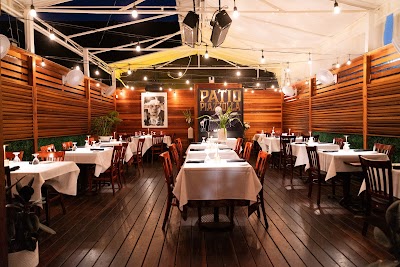
Carlitos Gardel
€€€West Hollywood
A family-run Argentine steakhouse offering authentic cuts of meat and an extensive selection of South American wines.
Signature — The Ojo de Bife with house-made chimichurri.
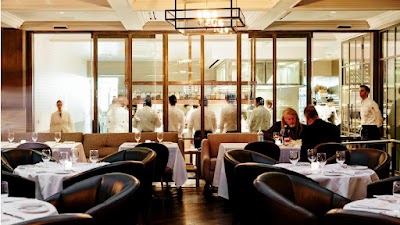
Balitaire
€€€€Brentwood
An expansive, airy, and upscale steakhouse featuring a massive outdoor terrace and high-end cuts.
Signature — The dry-aged porterhouse for two.
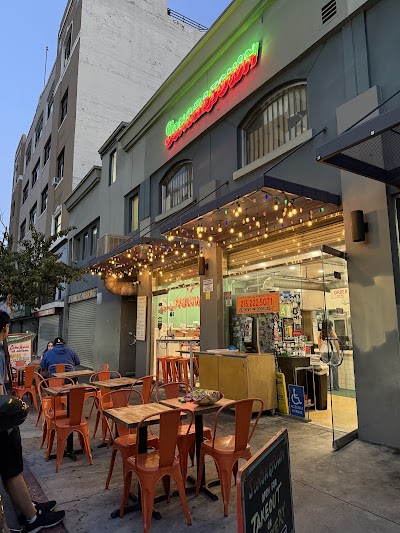
Sonoratown
€Downtown Los Angeles
Famous for its thin, lard-infused flour tortillas grilled over mesquite wood, honoring the culinary traditions of Sonora.
Signature — The Costilla taco on a hand-stretched flour tortilla.
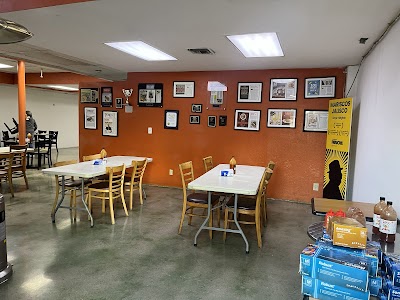
Mariscos Jalisco
€Boyle Heights
A legendary food truck that has parked in the same spot for decades, serving the city's most famous fried tacos.
Signature — The taco de camarón, a deep-fried shrimp taco topped with avocado and salsa.
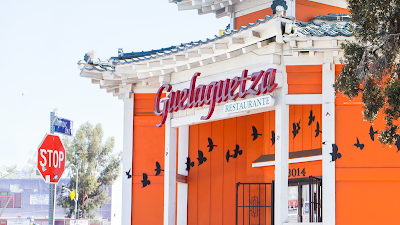
Guelaguetza
€€Koreatown
A massive, lively temple of Oaxacan gastronomy and live music, honored with a James Beard Award.
Signature — The Festival de Moles, a sampler of their legendary house-made moles.
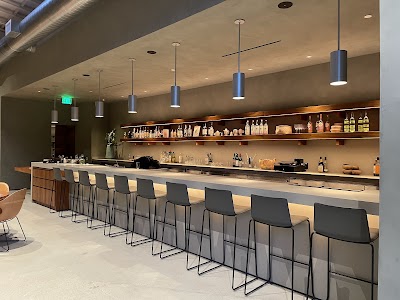
Damian
€€€€Arts District
Chef Enrique Olvera's sleek, industrial-chic restaurant serving highly refined, modern Mexican cuisine.
Signature — The duck al pastor.
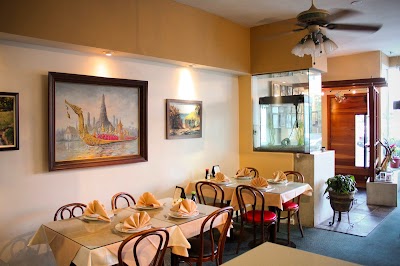
Anajak Thai
€€Sherman Oaks
A family-run Valley institution that has evolved to offer creative Thai-taco nights and a world-class natural wine list.
Signature — The Southern Thai fried chicken.
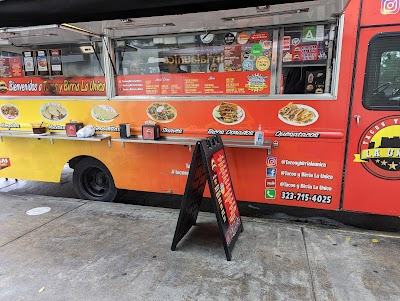
La Unica
€Boyle Heights
A specialized food truck serving outstanding Michoacán-style birria made from both beef and goat.
Signature — The quesabirria taco with a side of rich consommé for dipping.
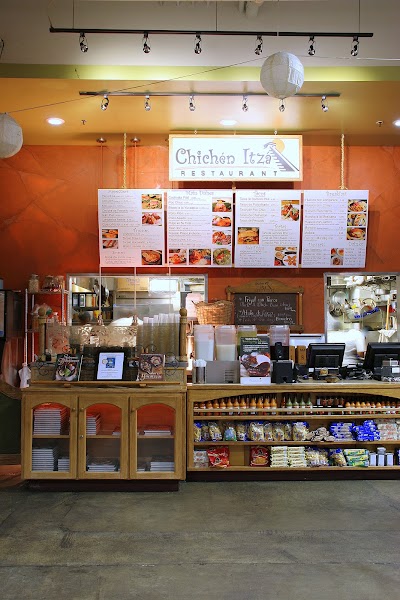
Chichen Itza
€South Los Angeles
Located in the Mercado La Paloma, this family stall specializes in the vibrant, citrus-forward flavors of the Yucatán.
Signature — The cochinita pibil, slow-roasted pork wrapped in banana leaves.
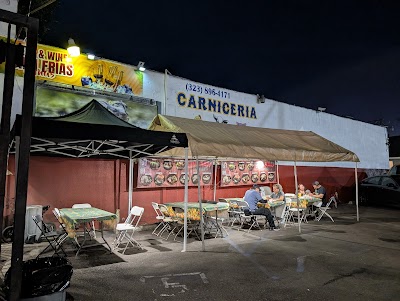
Tire Shop Taqueria
€South Los Angeles
An open-air street setup in a tire shop parking lot, serving some of the best Tijuana-style carne asada in the city.
Signature — The vampiro, a toasted tortilla topped with melted cheese, carne asada, and guacamole.
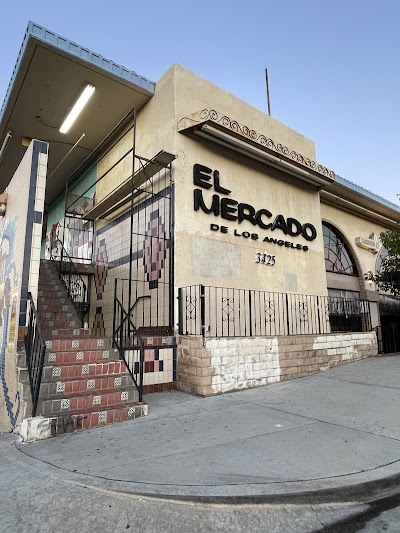
Mercado
€€Santa Monica
A stylish, upscale space serving contemporary Mexican dishes made with fresh ingredients from the local farmers market.
Signature — The carnitas, slow-cooked pork served with warm corn tortillas.
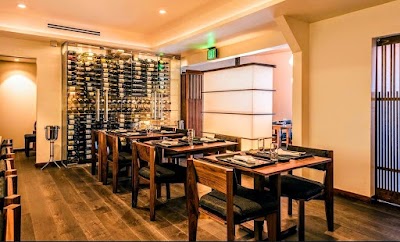
n/naka
€€€€Palms
Chef Niki Nakayama's world-renowned, ultra-exclusive modern kaiseki dining experience focusing on seasonal California ingredients.
Signature — The spaghettini with abalone and cod roe.
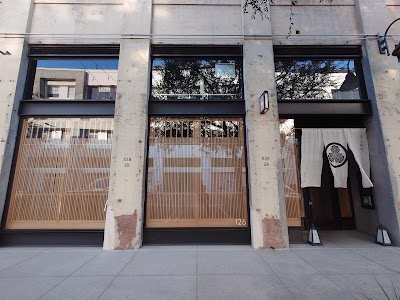
Hayato
€€€€Downtown Los Angeles
An incredibly intimate, seven-seat counter restaurant dedicated to the meticulous art of traditional Japanese wild-caught seafood kaiseki.
Signature — The multi-layered, hand-packed bento box (available for lunch).
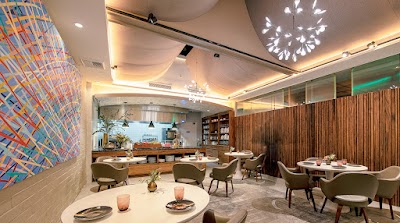
Melisse
€€€€Santa Monica
An intimate, 14-seat culinary theater where chefs prepare and serve a highly refined French-American tasting menu directly to guests.
Signature — The egg caviar, a soft-poached egg yolk topped with lemon crème fraîche and caviar.
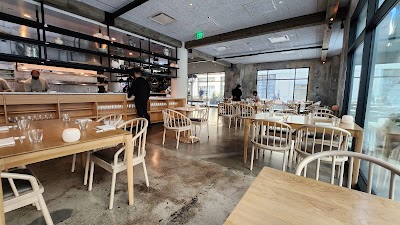
Kato
€€€€Arts District
A sleek, industrial space serving a brilliant, high-end tasting menu inspired by Taiwanese-American flavors and local street food.
Signature — The steamed fish with ginger, scallion, and seasoned soy sauce.
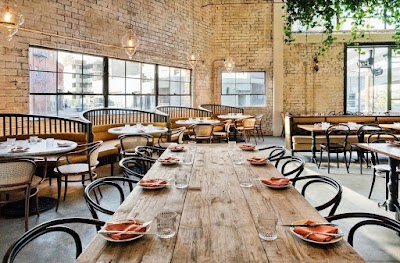
Bavel
€€€Arts District
A stunning, plant-draped warehouse space serving exceptionally vibrant, modern Middle Eastern dishes.
Signature — The slow-roasted lamb neck served with warm laffa bread.
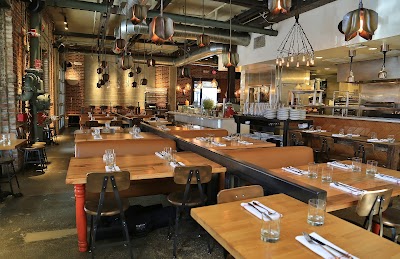
Bestia
€€€Arts District
A high-energy, industrial-chic powerhouse that helped define the modern culinary renaissance of the Eastside with bold Italian cooking.
Signature — The roasted marrow bone with spinach gnocchetti.
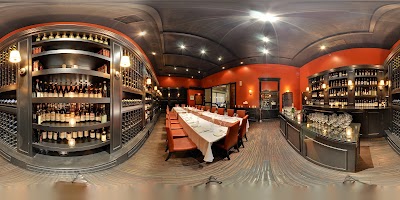
Osteria Mozza
€€€Hancock Park
Chef Nancy Silverton's Michelin-starred Italian institution, featuring a dedicated white marble mozzarella bar.
Signature — The tagliatelle with oxtail ragù.
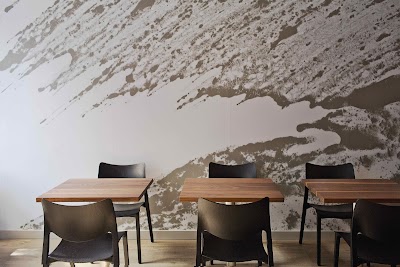
Orsa & Winston
€€€€Downtown Los Angeles
Chef Josef Centeno's minimalist dining room offering an inventive tasting menu that fuses Japanese and Italian culinary traditions.
Signature — The sunchoke soup with uni and black truffle.
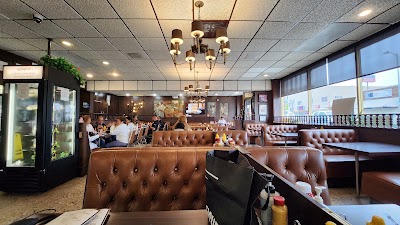
Langer's Delicatessen
€€Westlake
Serving the community since 1947, this historic deli is widely considered to serve the best pastrami sandwich in America.
Signature — The #19: hot pastrami, cole slaw, Swiss cheese, and Russian dressing on double-baked rye.
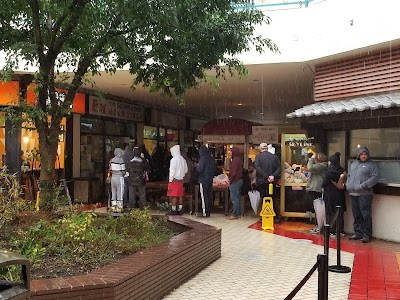
Howlin' Ray's
€Chinatown
The legendary spot that sparked the city's obsession with Nashville hot chicken, known for its incredible crunch and heat levels.
Signature — The Sando, a giant fried chicken breast on a buttered bun with comeback sauce.
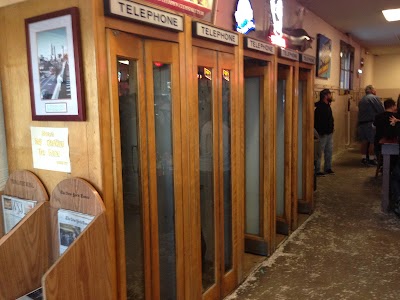
Philippe The Original
€Chinatown
Operating since 1908, this historic communal-table spot claims to have invented the French Dip sandwich.
Signature — The double-dipped beef French Dip sandwich with hot mustard.
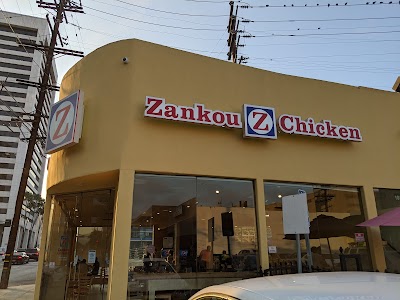
Zankou Chicken
€East Hollywood
A legendary family-owned Armenian-Lebanese fast-casual spot famous for its rotisserie chicken and intense garlic sauce.
Signature — The half-chicken plate served with pita and their signature garlic paste.
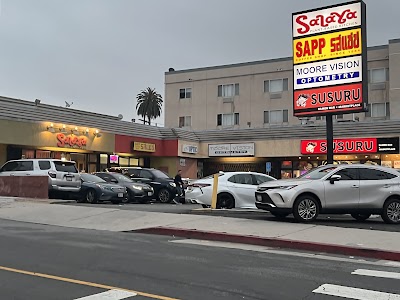
Sapp Coffee Shop
€Thai Town
A simple, unassuming strip-mall diner serving some of the most complex and authentic Thai noodle dishes in the country.
Signature — The boat noodles, a rich, dark broth packed with beef, tripe, and morning glory.
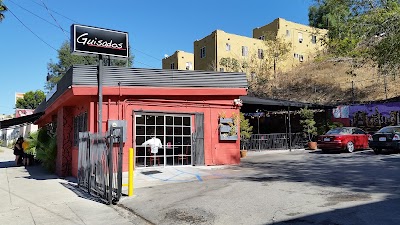
Guisados
€Echo Park
A local favorite serving homestyle, slow-braised meat and vegetable stews on thick, handmade corn tortillas.
Signature — The taco sampler, featuring six mini versions of their top stews.
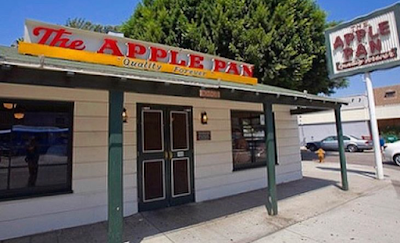
Apple Pan
€West Los Angeles
A historic, U-shaped counter joint serving classic burgers and fresh-baked pies in the same manner since 1947.
Signature — The Hickory Burger paired with a slice of warm banana cream pie.
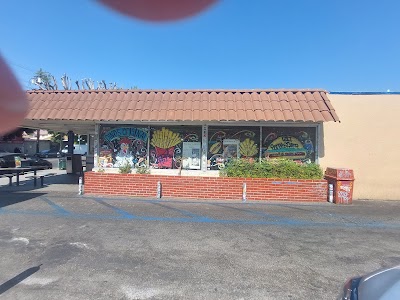
Dino's Chicken and Burgers
€Koreatown
A legendary walk-up window famous for its unique, bright-red marinated charbroiled chicken.
Signature — The Dino's Famous Chicken, served over a mountain of hand-cut fries soaked in chicken juices.
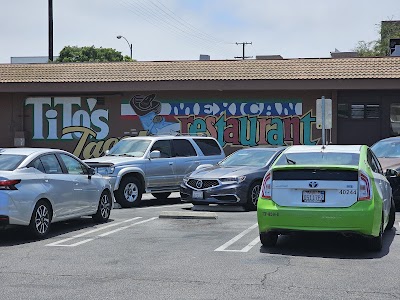
Tito's Tacos
€Culver City
An iconic, retro walk-up stand serving American-style hard-shell tacos to massive lines since 1959.
Signature — The beef taco with shredded cheddar cheese.
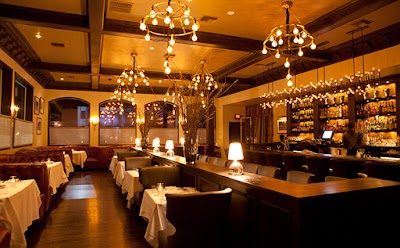
Crossroads Kitchen
€€€West Hollywood
Chef Tal Ronnen's upscale, white-tablecloth restaurant proves that plant-based dining can be glamorous, indulgent, and deeply satisfying.
Signature — The stuffed zucchini blossoms with cashew cheese.
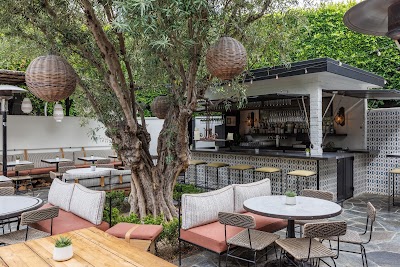
Gracias Madre
€€West Hollywood
A chic, sun-drenched restaurant with a stunning olive-tree-shaded patio, serving organic, plant-based Mexican cuisine.
Signature — The sweet potato flautas with cashew nacho cheese.
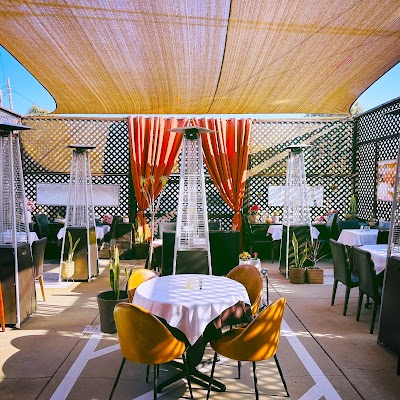
Shojin
€€Downtown Los Angeles
An intimate, hidden dining room serving creative, organic, and gluten-free vegan sushi and Japanese macrobiotic dishes.
Signature — The Spicy Tuna on the Rock made with spicy tofu over crispy rice.
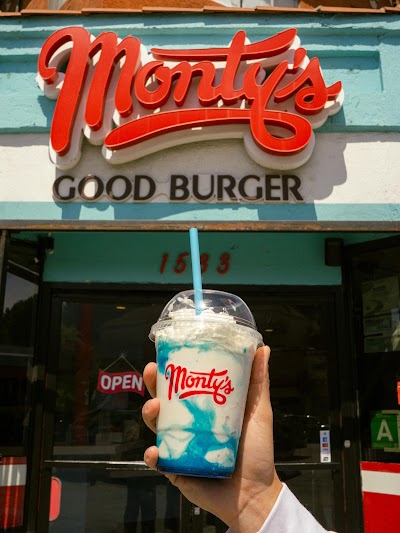
Monty's Good Burger
€Koreatown
A vibrant, retro-style fast-food joint serving 100% plant-based burgers, fries, and oat-milk shakes.
Signature — The double cheeseburger made with an Impossible patty and house spread.
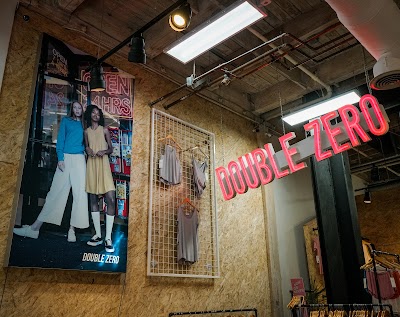
Double Zero
€€Venice
A stylish, plant-based pizzeria serving wood-fired neapolitan pies topped with house-made nut cheeses.
Signature — The truffle pizza with cashew ricotta and wild mushrooms.
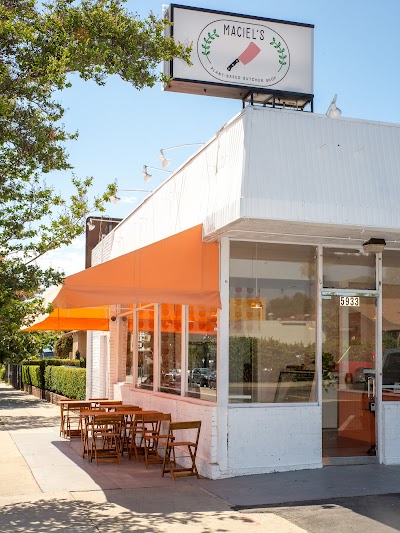
Maciel's Plant-Based Butcher
€Highland Park
The city's first vegan butcher shop, serving incredible house-made plant-based meats and deli sandwiches.
Signature — The Flores pastrami sandwich.
After dark
Nightlife
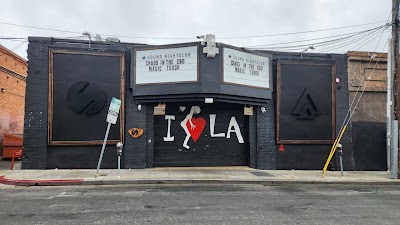
Sound Nightclub
Hollywood
An intimate, dark room featuring a state-of-the-art Pioneer sound system and a sunken dance floor, hosting top global house and techno DJs.
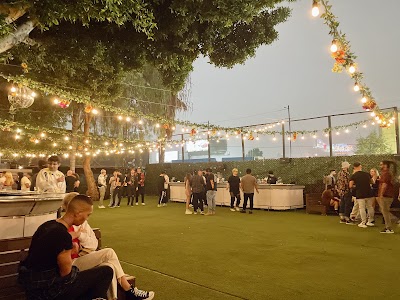
Academy LA
Hollywood
A massive, high-energy club featuring a sprawling outdoor patio and an indoor room with a giant LED ceiling and heavy bass production.
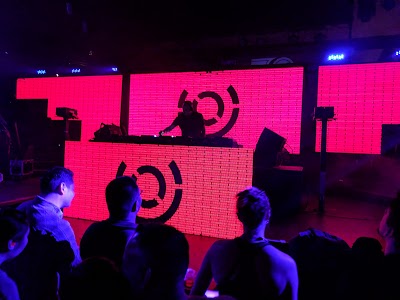
Exchange LA
Downtown Los Angeles
Housed in the historic 1929 Los Angeles Stock Exchange building, this multi-level venue features stunning Art Deco details and massive light shows.
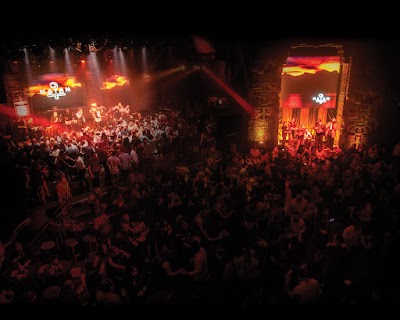
The Mayan
Downtown Los Angeles
A historic 1927 theater with an incredibly ornate, Mayan-revival interior hosting diverse Latin, dance, and themed club nights.
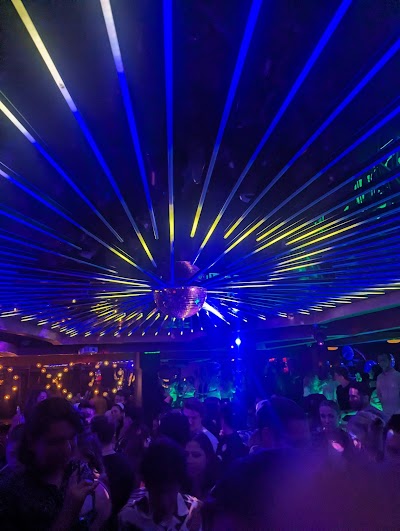
Kiss Kiss Bang Bang
Koreatown
A retro, 1970s-themed disco club hidden inside the Line Hotel, featuring a light-up dance floor and roller-skating dancers.
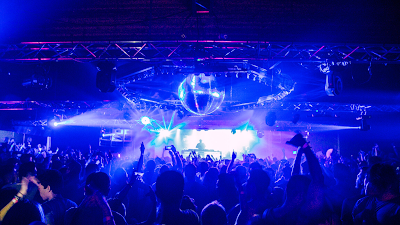
Catch One
Arlington Heights
A historic multi-room venue that was once the first black gay disco in the country, now hosting diverse underground electronic and hip-hop parties.
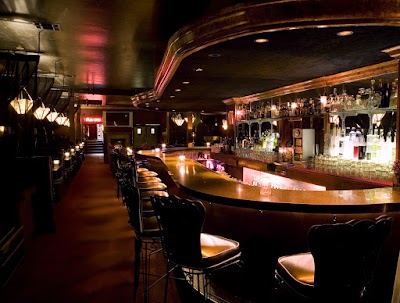
Boardner's by La Belle
Hollywood
A historic 1930s bar and courtyard that hosts long-running alternative, goth, and retro dance nights.
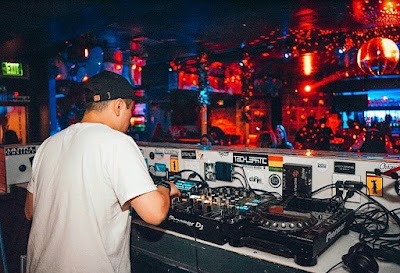
Station1640
Hollywood
A creative venue covered in murals by prominent street artists, hosting weekly house music residencies.
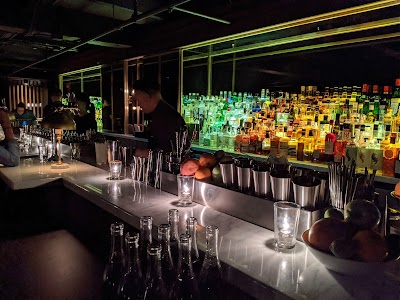
Death & Co
Arts District
The West Coast outpost of the legendary cocktail institution, featuring a dark, subterranean lounge with highly complex, seasonal menus.
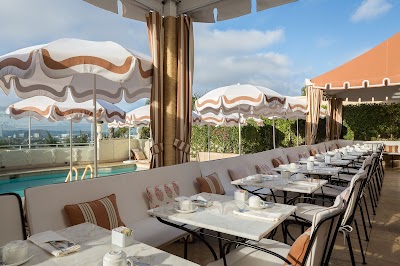
Sunset Tower Bar
West Hollywood
Located in a historic Art Deco building, this legendary poolside lounge offers old-Hollywood glamour, live piano, and classic martinis.
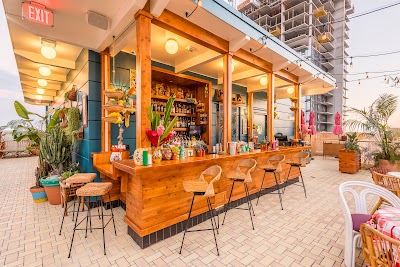
Broken Shaker
Downtown Los Angeles
A colorful, tropical-themed rooftop bar on the pool deck of the Freehand Hotel, serving creative, tiki-inspired cocktails.
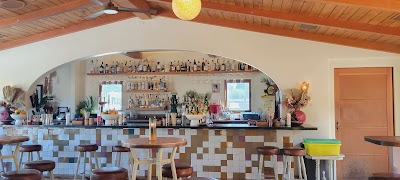
Bar Flores
Echo Park
A vibrant, female-owned neighborhood bar with a lovely back patio, specializing in fresh mezcal and tequila cocktails.
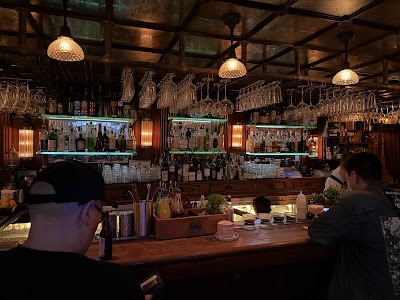
The Roger Room
West Hollywood
A dark, circus-themed speakeasy hidden behind a plain facade, serving exceptional, inventive cocktails since 2008.
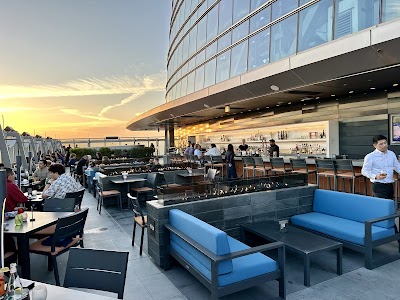
High Rooftop Lounge
Venice
The only rooftop bar overlooking the Venice Beach boardwalk and the Pacific Ocean, perfect for sunset drinks.
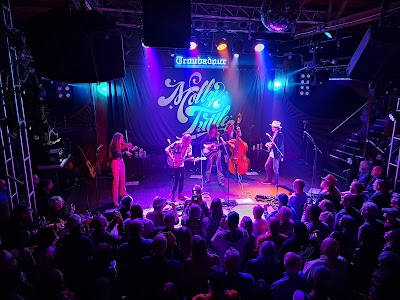
The Troubadour
West Hollywood
An iconic, intimate room operating since 1957 that has hosted the career-defining debuts of Elton John, James Taylor, and Guns N' Roses.
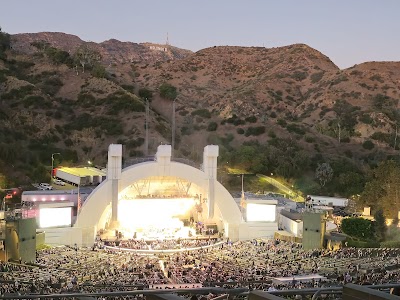
Hollywood Bowl
Hollywood
A legendary, 1920s outdoor amphitheater set in a natural canyon, famous for its bring-your-own-wine policy and shell-shaped stage.
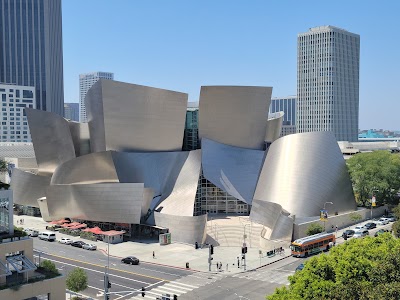
Walt Disney Concert Hall
Downtown Los Angeles
Frank Gehry's architectural masterpiece of undulating stainless steel, boasting some of the finest acoustics in the world.
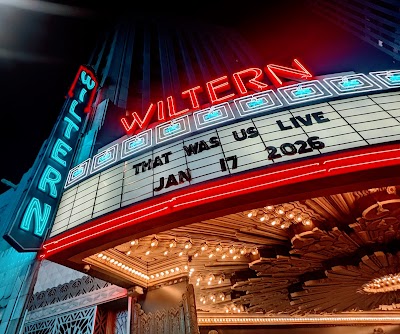
The Wiltern
Koreatown
A stunning, multi-tiered Art Deco theater featuring a magnificent sunburst ceiling, hosting major touring acts.
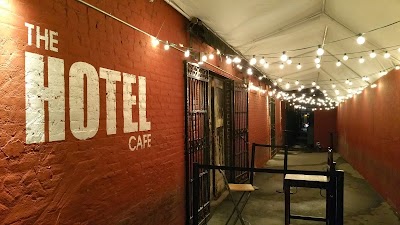
Hotel Cafe
Hollywood
An intimate, dark room that serves as the premier launchpad for acoustic singer-songwriters and rising indie artists.
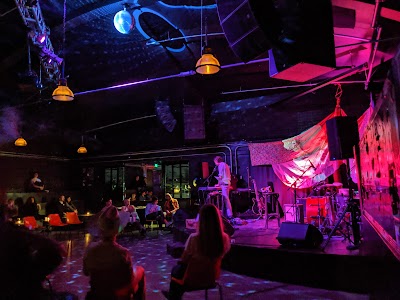
Zebulon
Frogtown
A trendy, French-born café and music venue hosting eclectic indie rock, experimental music, and film screenings.
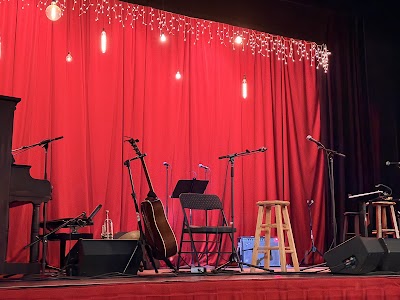
Largo at the Coronet
Beverly Grove
An intimate, historic theater famous for its strict no-phone policy and legendary residencies by musicians like Jon Brion.
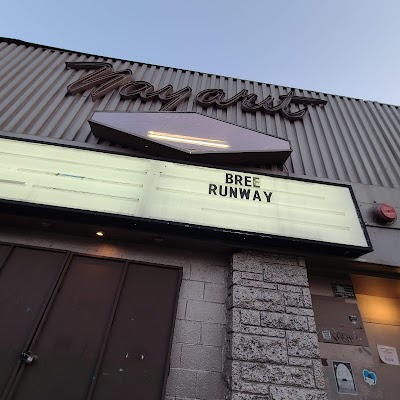
The Echo & Echoplex
Echo Park
A two-level venue that has served as the epicenter of the Eastside indie rock and underground dance scene for decades.
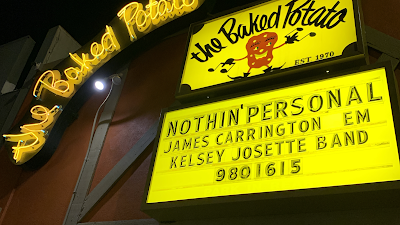
The Baked Potato
Studio City
A tiny, legendary jazz fusion club operating since 1970, famous for hosting world-class session musicians and serving giant baked potatoes.
Art & history
Culture
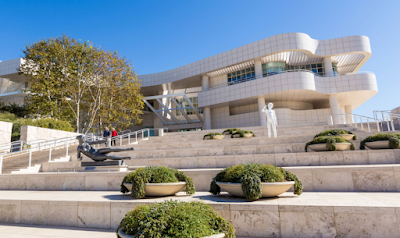
The Getty Center
Brentwood
Richard Meier's monumental travertine complex houses European paintings, sculptures, and decorative arts, offering panoramic views of the entire basin.
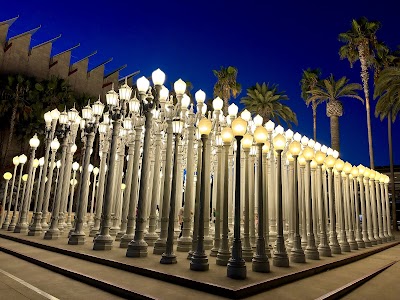
LACMA (Los Angeles County Museum of Art)
Miracle Mile
The largest art museum in the western United States, famous for Chris Burden's 'Urban Light' installation of historic streetlamps.
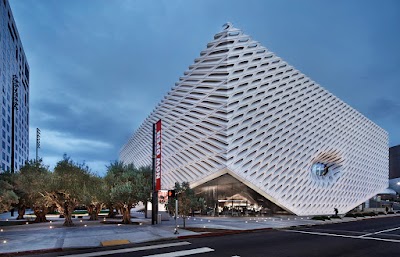
The Broad
Downtown Los Angeles
A striking, honeycomb-like contemporary art museum housing an exceptional collection of works by Warhol, Basquiat, and Yayoi Kusama.
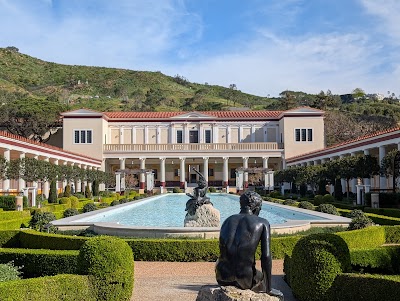
The Getty Villa
Pacific Palisades
A meticulous recreation of a first-century Roman country house, housing a premier collection of ancient Greek, Roman, and Etruscan antiquities.
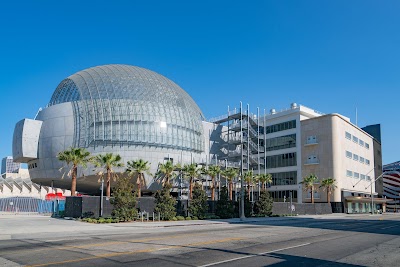
Academy Museum of Motion Pictures
Miracle Mile
An immersive, Renzo Piano-designed museum dedicated to the history, science, and cultural impact of filmmaking.
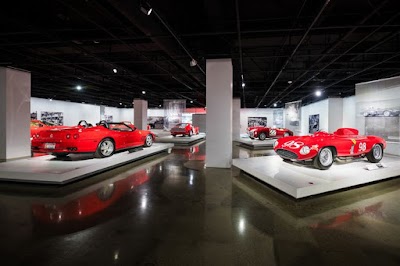
Petersen Automotive Museum
Miracle Mile
Housed in a striking, ribbon-wrapped building, this museum showcases the history and artistry of the automobile, from Hollywood classics to hypercars.
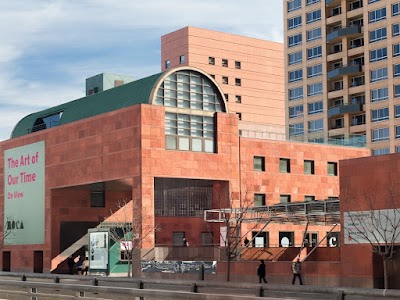
MOCA Grand Avenue
Downtown Los Angeles
The only artist-founded museum in the city, dedicated exclusively to contemporary art from 1940 to the present.
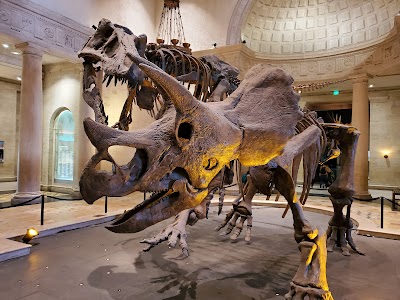
Natural History Museum
Exposition Park
Features an extraordinary Dinosaur Hall with a unique T. rex growth series and a spectacular Gem and Mineral Hall.
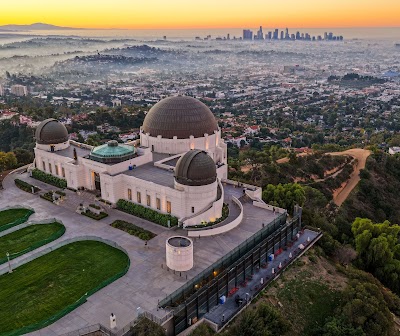
Griffith Observatory
Griffith Park
A historic Art Deco planetarium offering fascinating astronomical exhibits and the city's most iconic views of the Hollywood Sign.
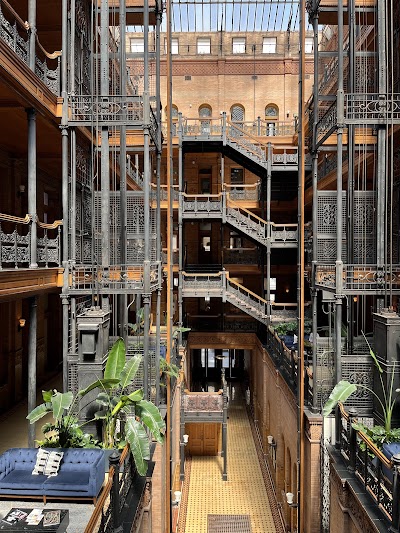
Bradbury Building
Downtown Los Angeles
An unassuming 1893 brick exterior opens into a spectacular, light-filled Victorian court with ornate wrought-iron elevators, famously featured in Blade Runner.
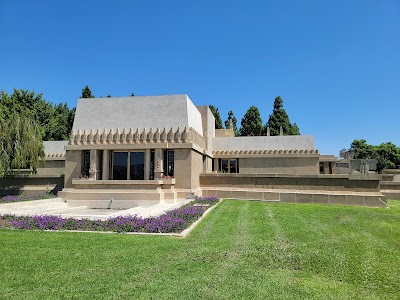
Hollyhock House
East Hollywood
Frank Lloyd Wright's first Los Angeles project, a UNESCO World Heritage site built in the 'Mayan Revival' style for oil heiress Aline Barnsdall.
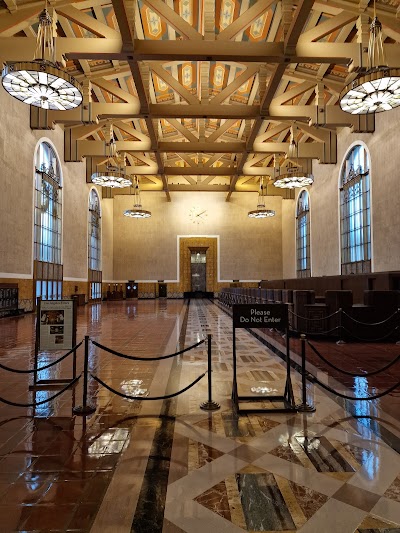
Union Station
Downtown Los Angeles
Widely known as the 'Last of the Great Railway Stations,' this 1939 landmark blends Mission Revival and Art Deco architecture with grand waiting rooms.
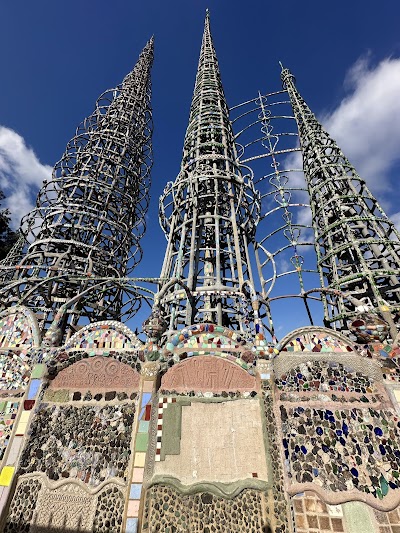
Watts Towers
Watts
A monumental collection of 17 interconnected sculptural towers built single-handedly by Italian immigrant Simon Rodia over 33 years using scrap metal and pottery.
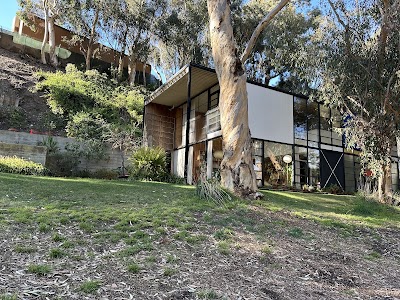
Eames House (Case Study House No. 8)
Pacific Palisades
The landmark mid-century modern home and studio of designers Charles and Ray Eames, nestled in a eucalyptus grove overlooking the ocean.
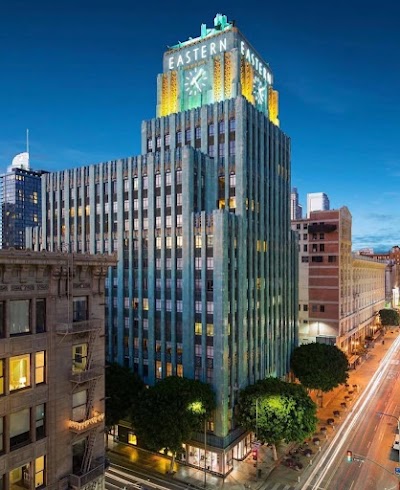
Eastern Columbia Building
Downtown Los Angeles
The city's most magnificent Art Deco landmark, clad in vibrant turquoise terra-cotta tiles and topped with a historic blue neon clock tower.
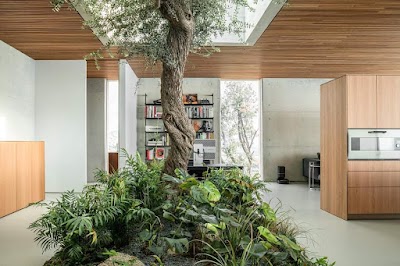
Stahl House (Case Study House No. 22)
Hollywood Hills
Pierre Koenig's iconic glass-and-steel home cantilevered over the cliffs, representing the ultimate dream of mid-century modern California living.
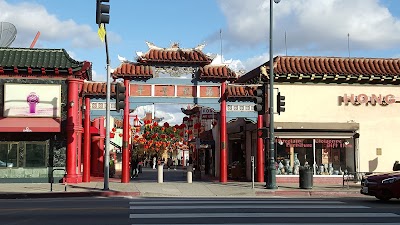
Chinatown Central Plaza
Chinatown
A neon-lit, highly stylized historic plaza built in the late 1930s, featuring traditional Chinese architecture designed by Hollywood set designers.
Griffith Observatory
Griffith Park
A monumental Art Deco masterpiece built in 1935, sitting high on the south-facing slope of Mount Hollywood.
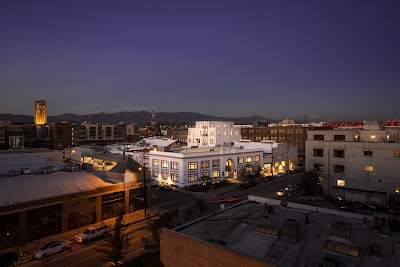
Hauser & Wirth
Arts District
A massive, multi-disciplinary gallery complex housed in a former 19th-century flour mill, featuring outdoor sculpture courtyards, a restaurant, and a chicken coop.
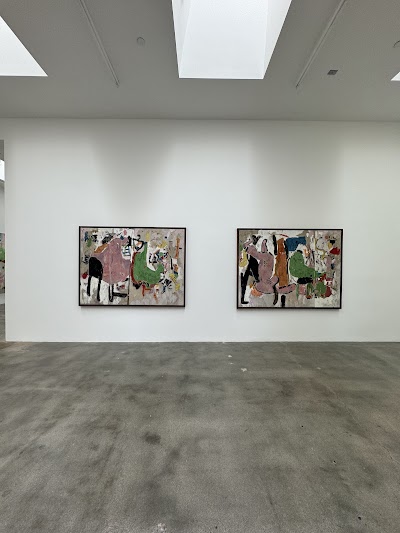
Blum
Culver City
An influential contemporary gallery that has played a key role in bridging the Los Angeles and Tokyo art scenes.
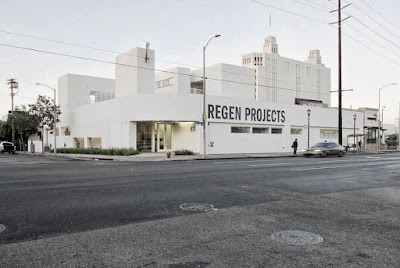
Regen Projects
Hollywood
A heavyweight contemporary gallery representing major international artists, featuring a sleek, rooftop sculpture deck with views of the hills.
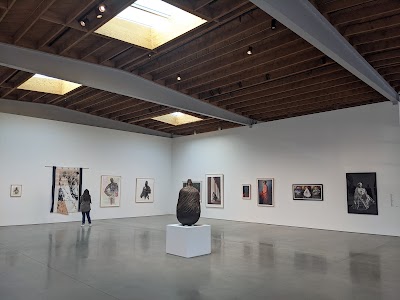
Jeffrey Deitch
Hollywood
A massive, 15,000-square-foot warehouse gallery showcasing bold, large-scale contemporary works and street-art-adjacent exhibitions.
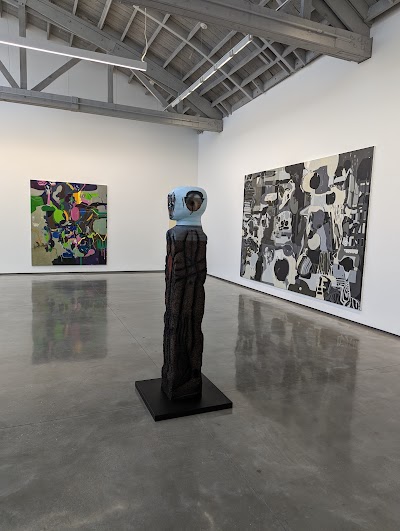
David Kordansky Gallery
Mid-Wilshire
One of the city's premier contemporary galleries, representing a highly diverse roster of cutting-edge local and international artists.
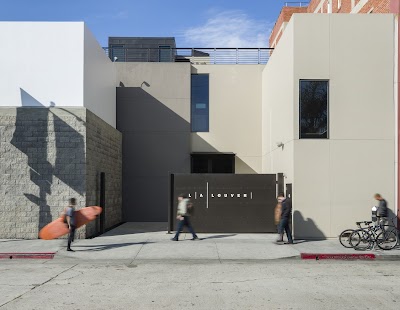
L.A. Louver
Venice
A historic gallery founded in 1975, focusing on California and international contemporary art, located just steps from the beach.
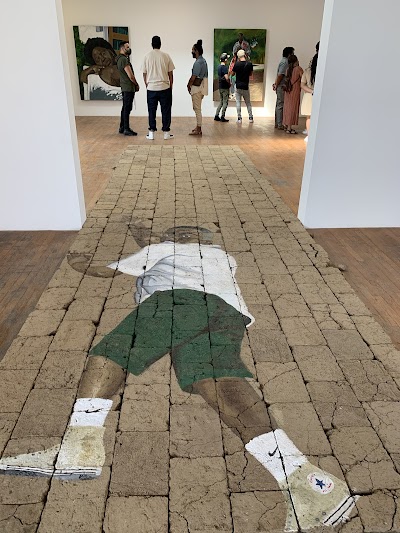
Commonwealth and Council
Koreatown
A unique, artist-centric gallery located in a second-floor apartment building, championing underrepresented and queer artistic voices.
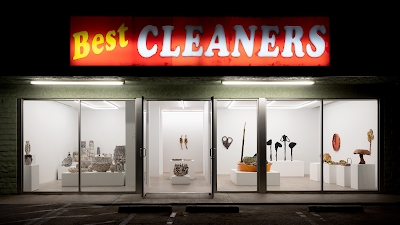
Nonaka-Hill
Hollywood
An exquisite gallery specializing in contemporary Japanese ceramicists and fine artists, set in a beautifully designed wood-clad space.
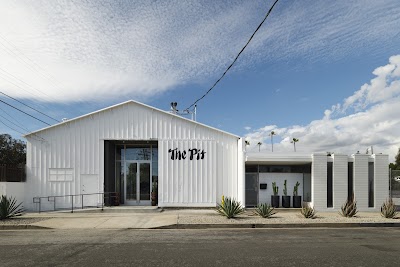
The Pit
Glendale
An artist-run contemporary gallery housed in a former auto-body shop, focusing on emerging and mid-career contemporary artists.
Book ahead
Top-rated experiences in Los Angeles

Private Hollywood Bus Tour
from $390

Classic Convertible Car Tour of Los Angeles
from $1000

Los Angeles Full Day Private Tour
from $749

Ultimate Private Hollywood Tour
from $490

Beverly Hills Food Tour with Gourmet Tastings and Drinks
from $209

Los Angeles Walking Food Tour with Six Taste
from $110

G'day LA by Luxury E-Bike: Griffith Park, Observatory to LA River
from $175

50-Minute Driving Tour: Explore Los Angeles in a Lamborghini
from $239
Prices from Viator; we may earn a commission when you book — at no extra cost to you. Tours are sold and operated by Viator, the merchant of record. Ratings are collected by Viator and Tripadvisor.
Timing
When to visit
Spring
March to May brings mild temperatures and blooming wildflowers in the surrounding hills, though coastal areas can occasionally experience morning fog.
Summer
June to August is peak tourist season with hot temperatures, though coastal zones are frequently blanketed by a cool, overcast marine layer known locally as June Gloom.
Autumn
September to November offers some of the best weather of the year, with hot, clear days driven by offshore winds and significantly thinner crowds at the beaches.
Winter
December to February is the cooler, rainy season, yet it still delivers many crisp, sunny days with views of snow-capped mountains framing the basin.
What it costs
Budgeting
Logistics
Getting around
From the airport
LAX is the primary gateway. The LAXit lot next to Terminal 1 consolidates all rideshares and taxis, accessible via a free green shuttle. Alternatively, the FlyAway bus offers a direct, cost-effective connection from the terminals to Union Station in Downtown LA or Van Nuys in the San Fernando Valley.
Public transit
The Metro rail system is expanding, with the Expo Line connecting Downtown to Santa Monica, and the Red Line linking Downtown to Hollywood. However, the network is limited, and buses are subject to the city's notorious traffic.
Passes & tickets
The reusable TAP card is used for all Metro transit. A single ride is inexpensive, and daily or weekly passes offer unlimited travel within the € band.
On foot
Walkability is highly localized. Neighborhoods like Santa Monica, West Hollywood, and parts of Downtown are highly walkable, but traveling between these hubs requires a vehicle.
Travel smart
Safety & etiquette
Local etiquette
- •Tipping is strictly expected: 18% to 22% is standard in restaurants, and €2 to €5 is expected for valet parking attendants.
- •Valet parking is a standard way of life at many upscale restaurants; do not be surprised when asked to hand over your keys.
- •When driving, do not block intersections (known as 'blocking the box') during heavy traffic, as this is a major local offense.
From the ground
Practical tips
1
Always read street parking signs carefully; parking enforcement is ruthless and fines are exceptionally high.
2
Book free museum tickets (like the Getty or The Broad) weeks in advance, as they still require timed-entry reservations.
3
Use the FlyAway bus from LAX to save money on expensive airport rideshare surcharges.
4
Pack light layers; coastal temperatures drop significantly as soon as the sun sets, even in the summer.
5
Do not underestimate driving distances; a distance of 10 miles can easily take over an hour during peak times.
6
Look for dining options in strip malls; some of the city's most celebrated culinary experiences are located in unassuming shopping centers.
Los Angeles FAQs
Do I absolutely need to rent a car?
Yes, unless you plan to stay strictly within a single walkable neighborhood like Santa Monica or West Hollywood. The city is too vast and public transit is too slow to explore comprehensively without a vehicle.
Is the Hollywood Walk of Fame worth seeing?
Only for a brief look. The area is highly commercialized, crowded, and gritty, and most travelers find it disappointing compared to other cultural sights.
How do I avoid the worst traffic?
Avoid driving on the freeways between 7:00 and 10:00, and 16:00 and 19:00. Plan your days so you stay in one geographic region (e.g., the Westside or the Eastside) rather than crossing the city during these times.
Where is the cleanest beach in the area?
Head north to Malibu (such as Zuma or El Matador) or south to Manhattan Beach. The water quality and crowds are significantly better than at Santa Monica or Venice.
What is 'June Gloom'?
A weather pattern in late spring and early summer where a thick marine layer of clouds keeps the coastal areas overcast and cool until the afternoon, while inland areas remain hot and sunny.