Los Angeles fought harder than most cities to keep its glow. By the 1980s, most of the neon that once turned Wilshire and Hollywood Boulevard into a nighttime spectacle had gone dark, switched off by owners chasing lower electric bills, torn down ahead of redevelopment, or simply left to rust behind boarded storefronts. What's still lit today survives because a handful of restaurant owners refused to modernize, a museum built its whole mission around rescuing the tubing nobody else wanted, and a small circle of sign-benders kept the trade alive long enough to pass it on. This is a route through what's left, sign by sign, after the sun goes down.
Hollywood Boulevard after the marquees dim
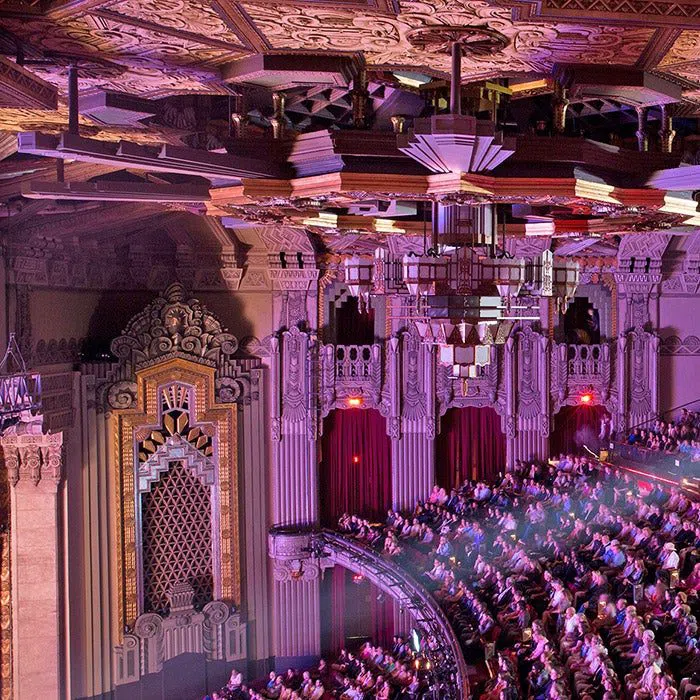
Most visitors see Hollywood Boulevard by day, when the stars underfoot get more attention than what's overhead. At night the balance flips. The Hollywood Pantages Theatre (Hollywood) is the anchor: a working 1930 Broadway house, not a museum piece, so its marquee is lit most nights a touring production is running rather than preserved behind glass. Group tickets are sold directly through the box office for touring shows, and prices swing widely by production, roughly $60–250. Check what's actually playing before you build a night around it; on a dark night the marquee goes unlit too.
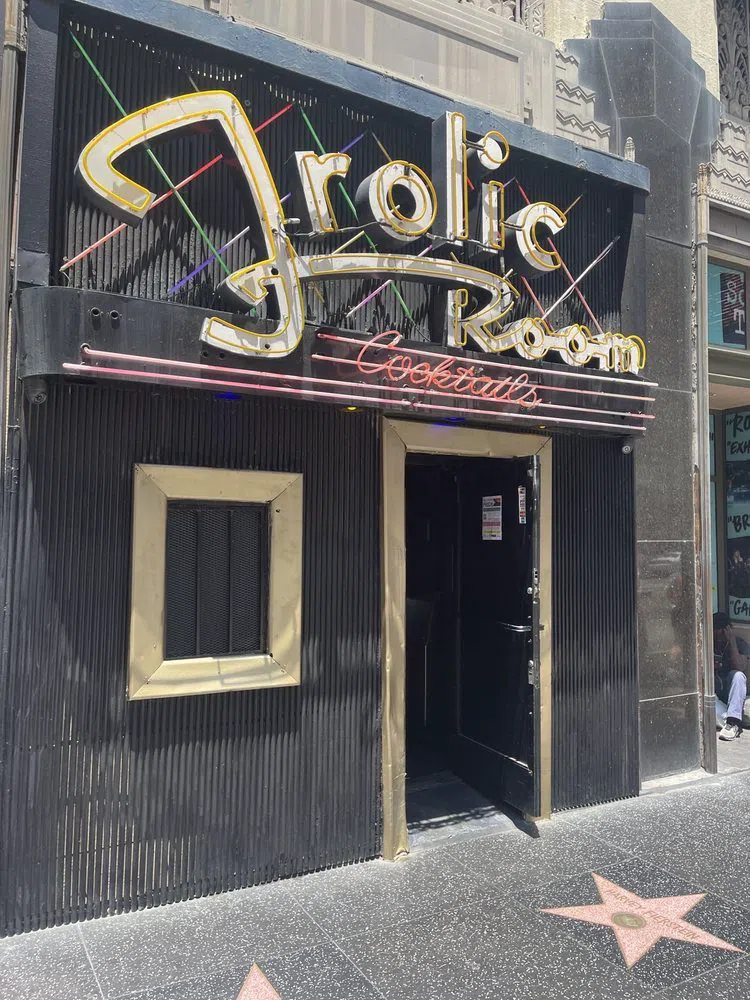
A few doors down, the Frolic Room (Hollywood) has one of the most photographed signs on the boulevard, a jagged red-and-yellow marquee that's barely changed since the bar opened. It's a small room with no reservations, comfortable for four to six people early in the evening, but it fills fast on weekend nights and there's no way to skip the line once it does, so go before 9pm if you're bringing a group. Drinks run $8–14 and it's a cash-friendly room, which tells you something about how long it's been operating this way.
For dinner with the same era of signage, Musso & Frank Grill (Hollywood) is the boulevard's oldest restaurant, and its animated rooftop sign has watched over the street since neon first arrived here. Reservations are essential, especially for a group, and the kitchen and room both reward booking a week or more out. Expect steakhouse pricing, $40–90 for mains, and a formality that rewards dressing up a little: this isn't a drop-in.
The diners that refused to go dark
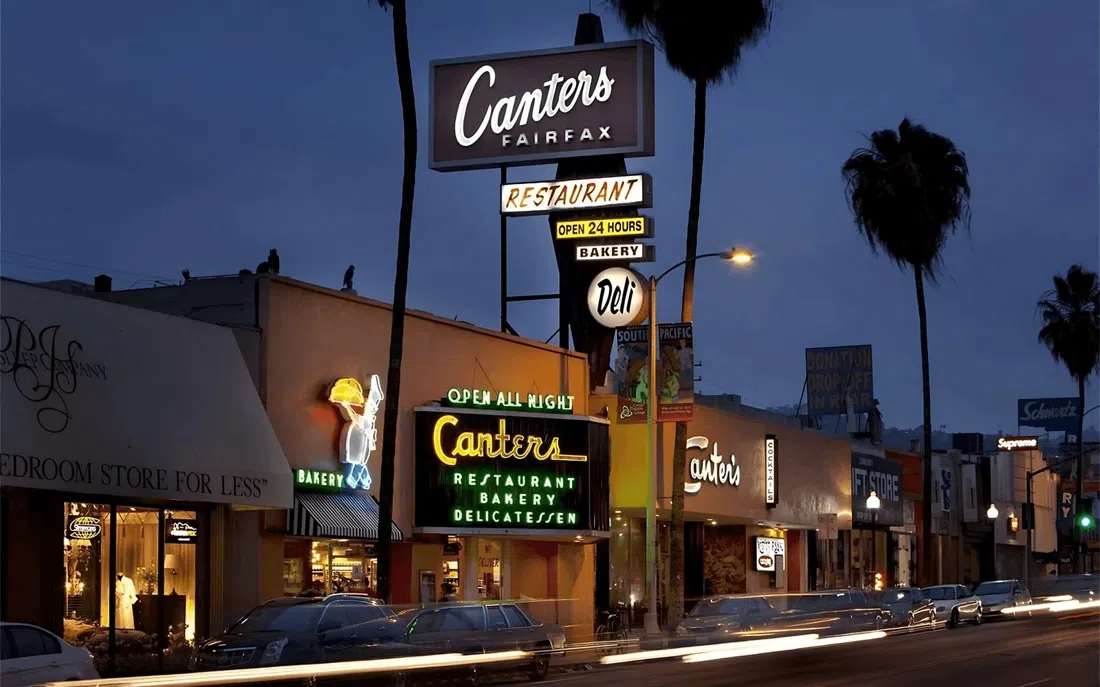
Some of the city's best surviving signage isn't attached to a bar or a theatre at all, it's bolted to a diner that never got the memo to modernize. Canter's Deli (Fairfax) is the clearest example: decades ago the owner was pushed to update the sign and refused outright ("that's vintage, people like that"), and it's still glowing unbroken today over a 24-hour Jewish deli that easily handles a big, loud, late-night group. Mains run $12–20, and there's no reservation drama; you show up.
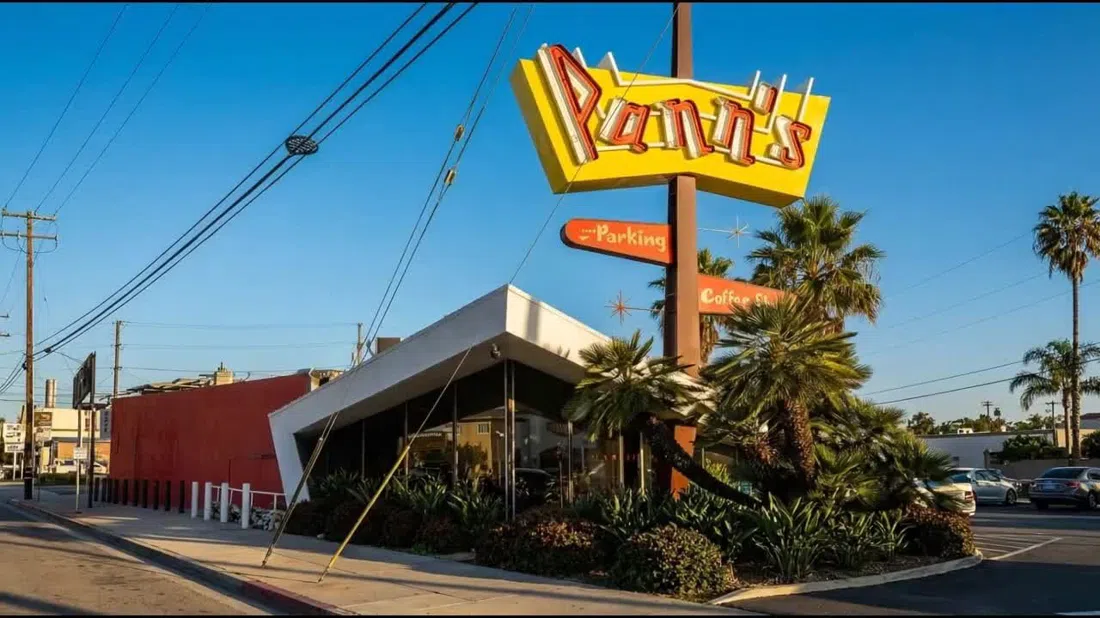
Out toward the airport, Pann's Restaurant (Westchester) is worth the detour on its own merits: widely considered the best-preserved Googie diner design left in the city, all sweeping angles and a starburst sign that belongs in a design textbook. It's a mid-size room, fine for groups outside the breakfast rush, and mains are $12–20. Go for a late dinner rather than brunch if you want the sign to yourself.
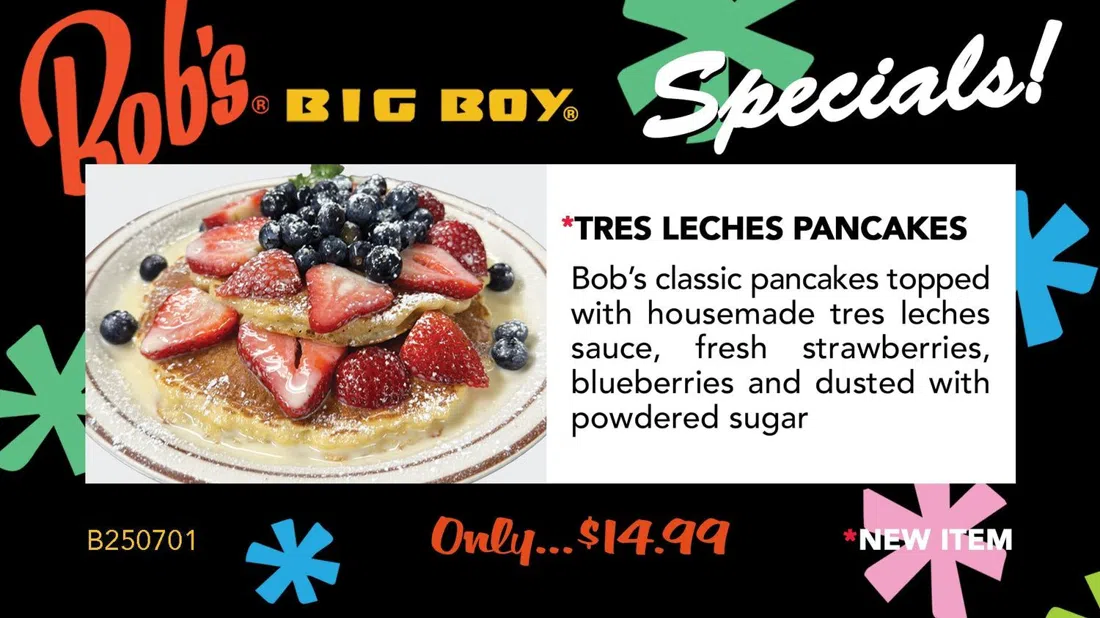
Two more diners round this out, and one comes with a deadline. Norms Restaurant (La Cienega) is still open and lit nightly, casual, welcoming to groups at any hour, but its lease runs out in December 2026 and the site becomes a Raising Cane's in 2027. If you want to see this sign in person, this year is the year to do it. Mains are $10–18. Further out in Toluca Lake, Bob's Big Boy (Toluca Lake) pairs its classic diner sign with a Friday-night classic car show that's been running continuously since the 1970s, the single best pairing of neon and chrome in the city, and group-friendly. Mains run $10–18.
A sign saved from storage
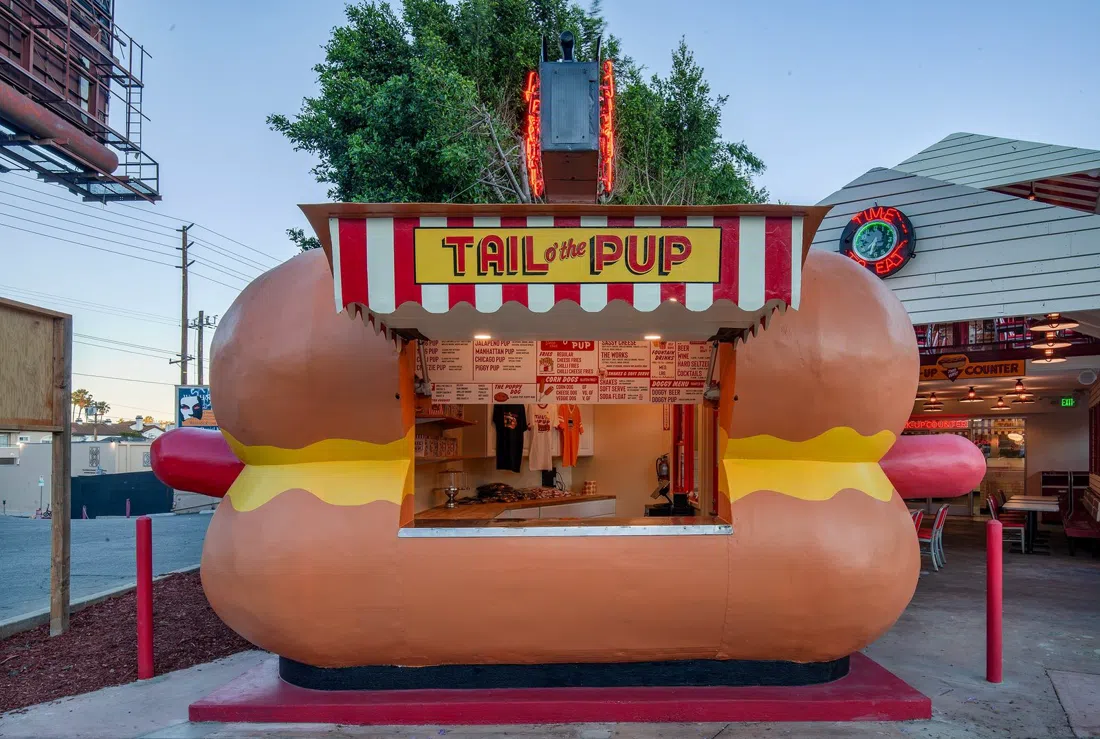
Not everything on this route survived by staying open. Tail o' the Pup (West Hollywood), the hot-dog-shaped stand that's been photographed since the 1940s, spent decades boxed up in storage before preservationists restored and relit it in 2022. It's now back as a walk-up counter, casual enough for a group of any size, hot dogs $8–12. It's proof the city's neon-era buildings can be saved outright, not just documented before they're gone, worth the stop even if you're not hungry, just to see a sign that was rescued rather than merely maintained.
Vintage glow beyond the boulevard
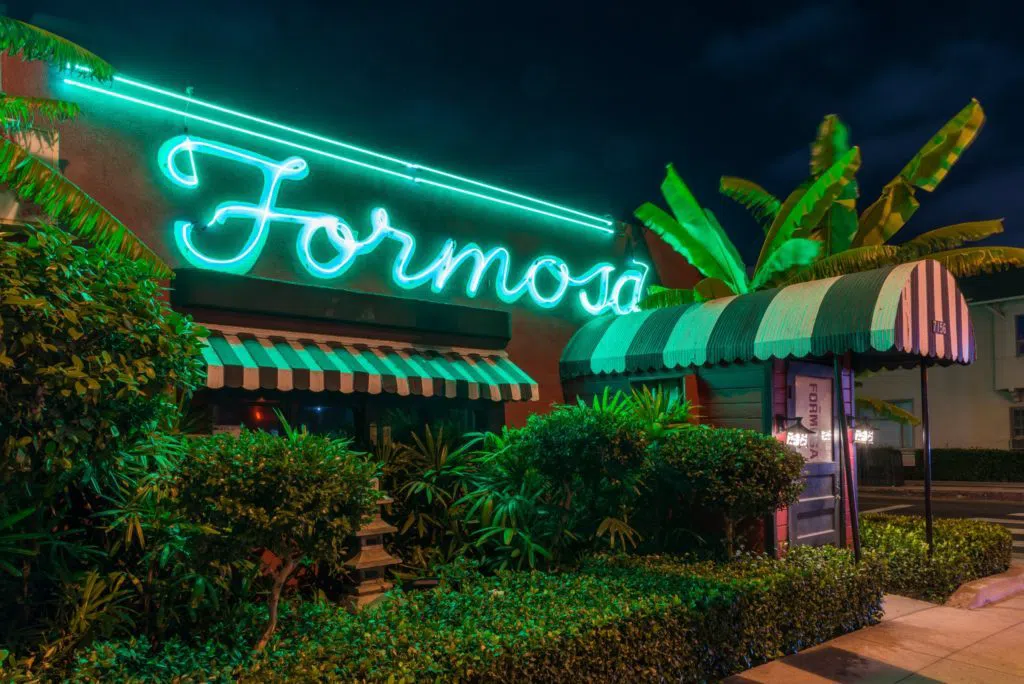
Hollywood gets the tour buses, but some of the most intact signage sits in quieter districts. Formosa Cafe (West Hollywood) is a 1920s speakeasy-turned-studio-hangout, landmarked by the city specifically so its red walls and neon can never be legally stripped off: one of the rare cases where preservation is written into the deed, not just the owner's goodwill. It takes group reservations, has booth seating and a private room for parties, mains $18–30.
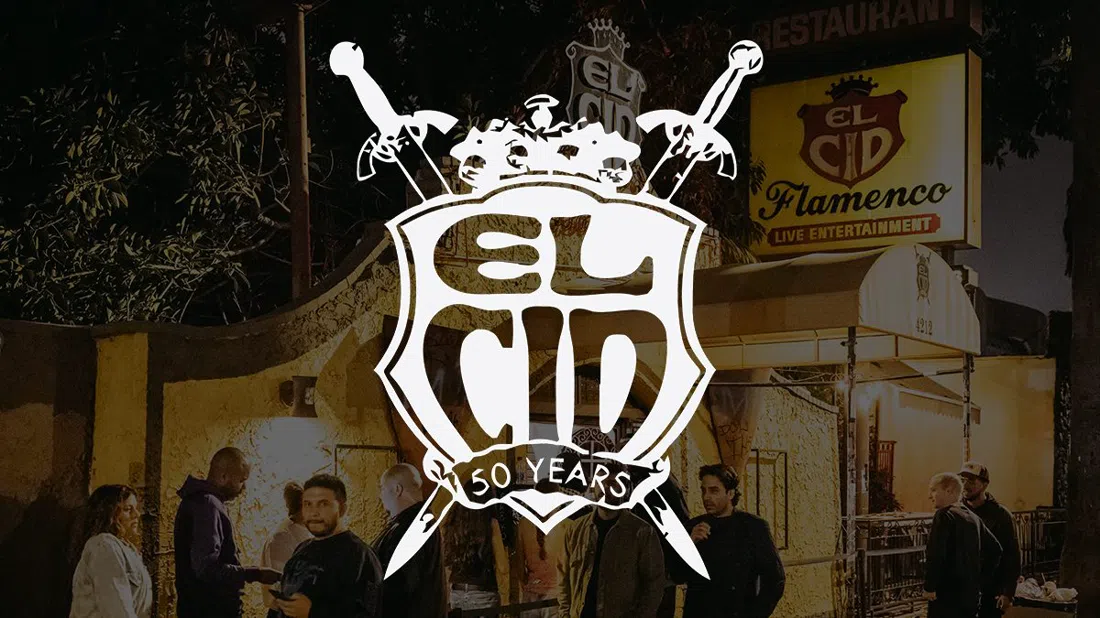
For a seated night out built entirely around neon, El Cid (Silver Lake) pairs a vintage sign with a still-running flamenco dinner show; reservations and group packages required, around $85pp for the full dinner-and-show format. It's a good pick for a group that wants an actual evening's entertainment rather than a bar crawl.
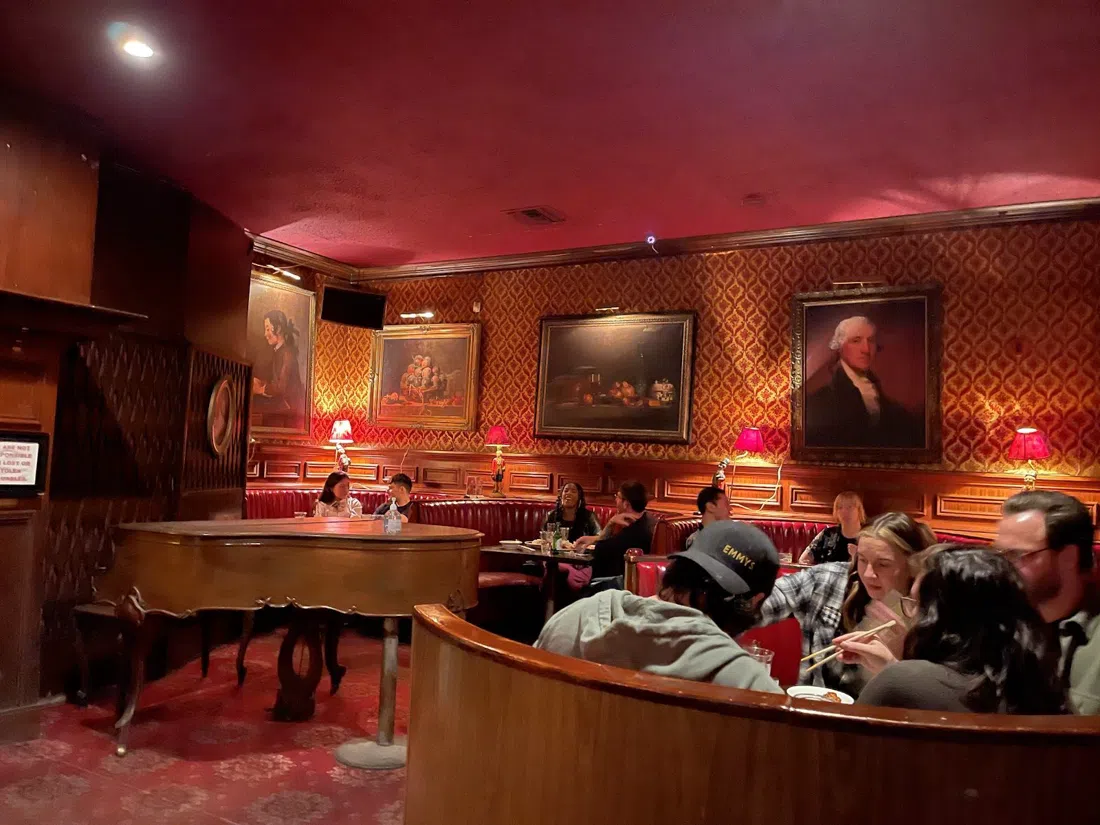
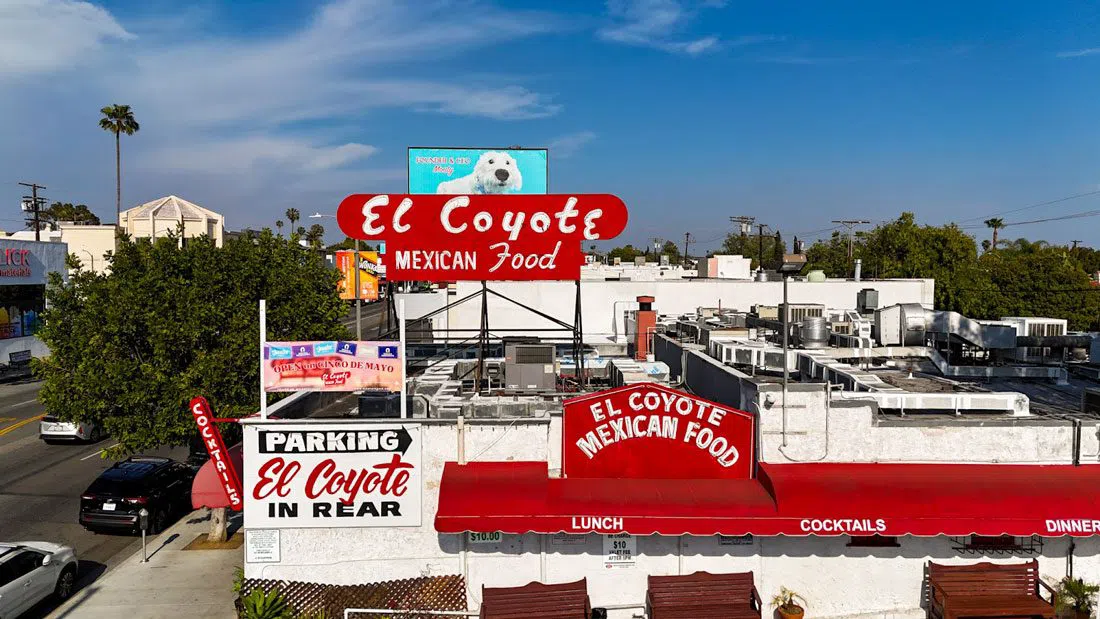
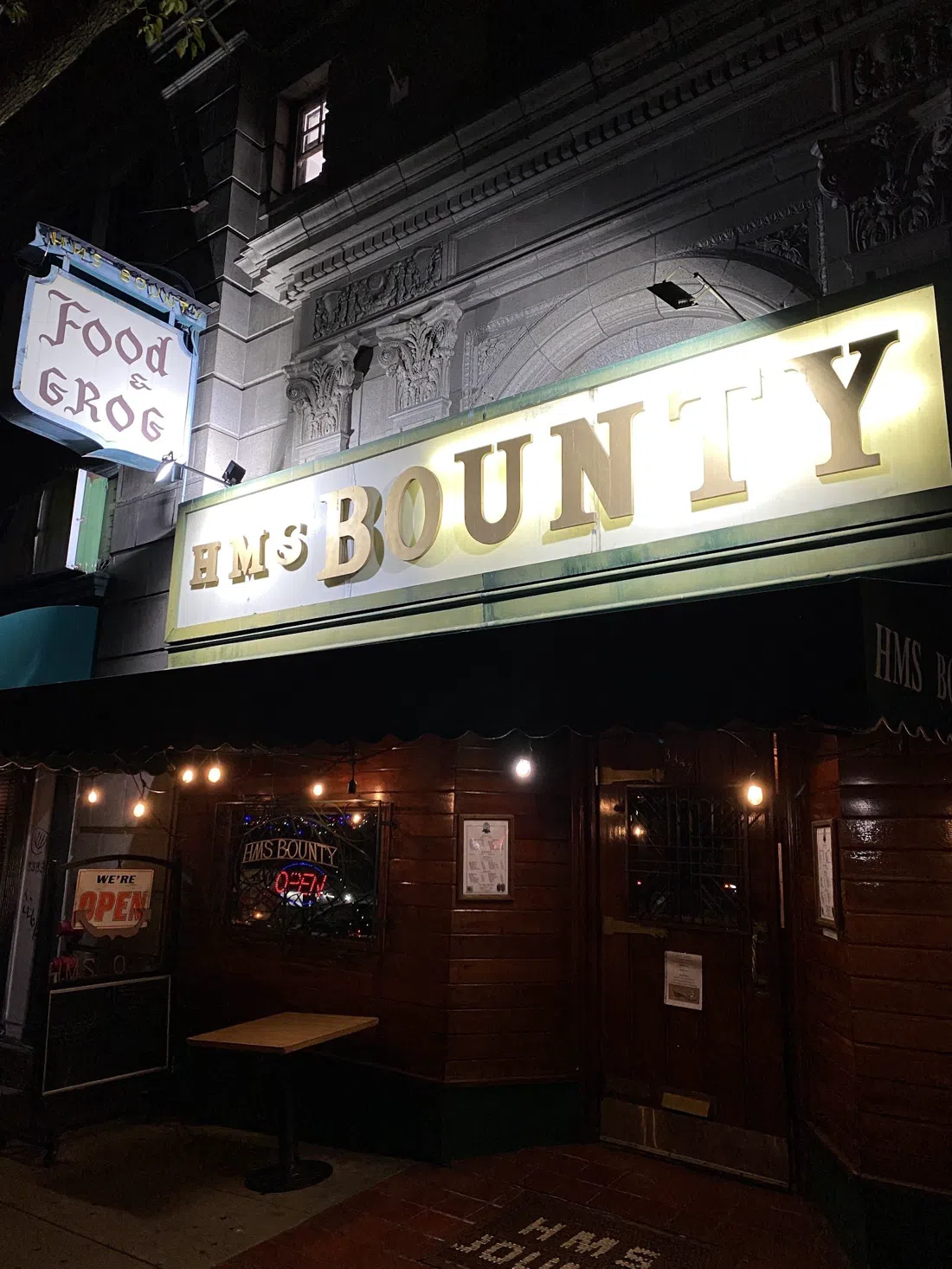
Two more are worth folding in on a Koreatown or Beverly Boulevard night. El Coyote Cafe (Beverly Boulevard) has watched over the street since the 1950s, a large dining room built for exactly the margarita-fuelled group party its reputation suggests. And The Prince (Koreatown), open since the 1920s, is one of the last rooms where old-Koreatown neon and atmosphere survive together unchanged: circular booths suit a group, but book ahead on weekends. Round out that same strip at HMS Bounty (Koreatown), a small unpretentious dive that's anchored Koreatown's own dense neon corridor since 1962, comfortable for four to eight people, drinks $7–12, no reservations needed or possible.
Seeing the whole story in one night
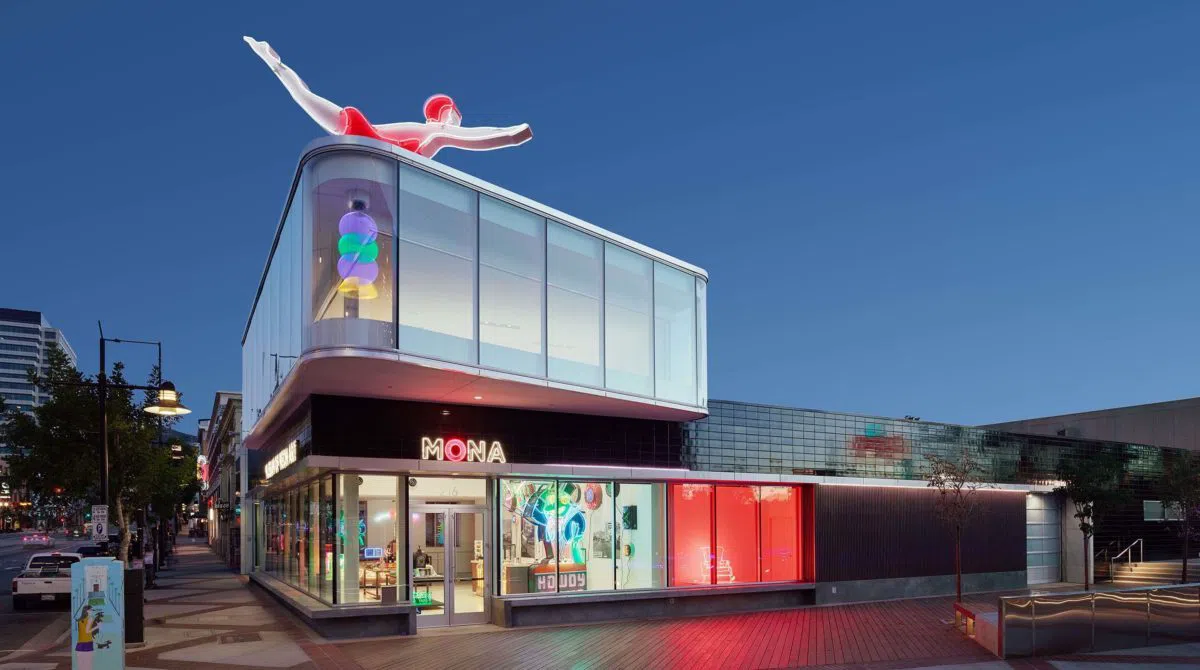
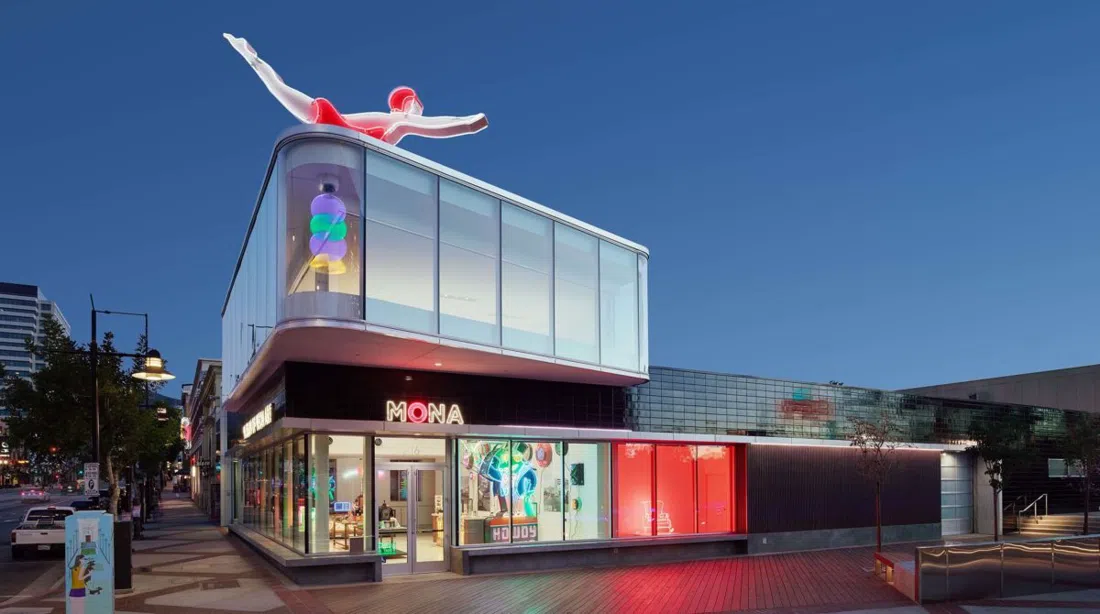
If you only do one organized thing on this list, make it the Museum of Neon Art (Glendale). The museum itself is worth an afternoon (roughly $12 entry), but its real draw after dark is the Neon Cruise, a guided night bus tour that turns the city's surviving signage into an actual narrated experience instead of a self-guided drive-by. It's built for groups by design, seats fill months out, and running around $75–85 per person it isn't cheap, but it's the only outfit doing this properly: sign history, restoration stories, and access to routes you wouldn't piece together on your own. Private charters are available for larger parties. Book this one first and build the rest of your trip around whatever date you can get.
Getting there, timing it right, and what to budget
Most of this route clusters around Hollywood Boulevard and is walkable on foot once you're there, and the Metro B Line stops right along it, which is the easiest way to avoid parking twice in one night. Koreatown and Fairfax are a short rideshare or drive apart; Westchester, Toluca Lake, and Glendale are far enough out that they're their own separate trips, not add-ons to a Hollywood night. Budget a taxi or rideshare between clusters rather than trying to walk the whole city: the distances are bigger than the map suggests after dark.
Carry cash for the dive bars: the Frolic Room and HMS Bounty are the kind of rooms where a card reader feels like an afterthought, even if one exists. Reservations matter more than the neon suggests: Musso & Frank, El Cid, and weekend nights at The Prince can turn away a walk-in group outright, so call ahead rather than assume a landmark restaurant is casual about seating. Weeknights are quieter and better for photography across the board; Friday and Saturday nights on Hollywood Boulevard specifically get dense with foot traffic after 9pm.
A realistic night covering three or four stops with dinner runs $40–90 per person depending on where you eat, before the Neon Cruise, which is its own separate budget line. If you're building a longer weekend around this route, start with the Los Angeles guide for the rest of the city, and see the Los Angeles hotel search for a base near Hollywood or Koreatown, which keeps most of this list within a short ride of your room.