Los Angeles rarely announces its own range this cleanly. Over two evenings in August 2026, a mirrored 1926 movie palace stages the Great American Songbook a few blocks from an arena filling up for a K-pop festival finale, a jazz supper club runs two entirely different table-service nights back to back, and a free Sunday residency that has outlasted most of the bars around it shares its stage with a rapper the same evening. None of this was curated into a single scene — it is simply what the city's music calendar looks like across two nights in the second half of August, with nothing filtered out. For the wider lay of the city beyond these two nights, the Los Angeles guide covers where to base yourself and how the districts connect.
August 17: Six Rooms, One Sprawling Night
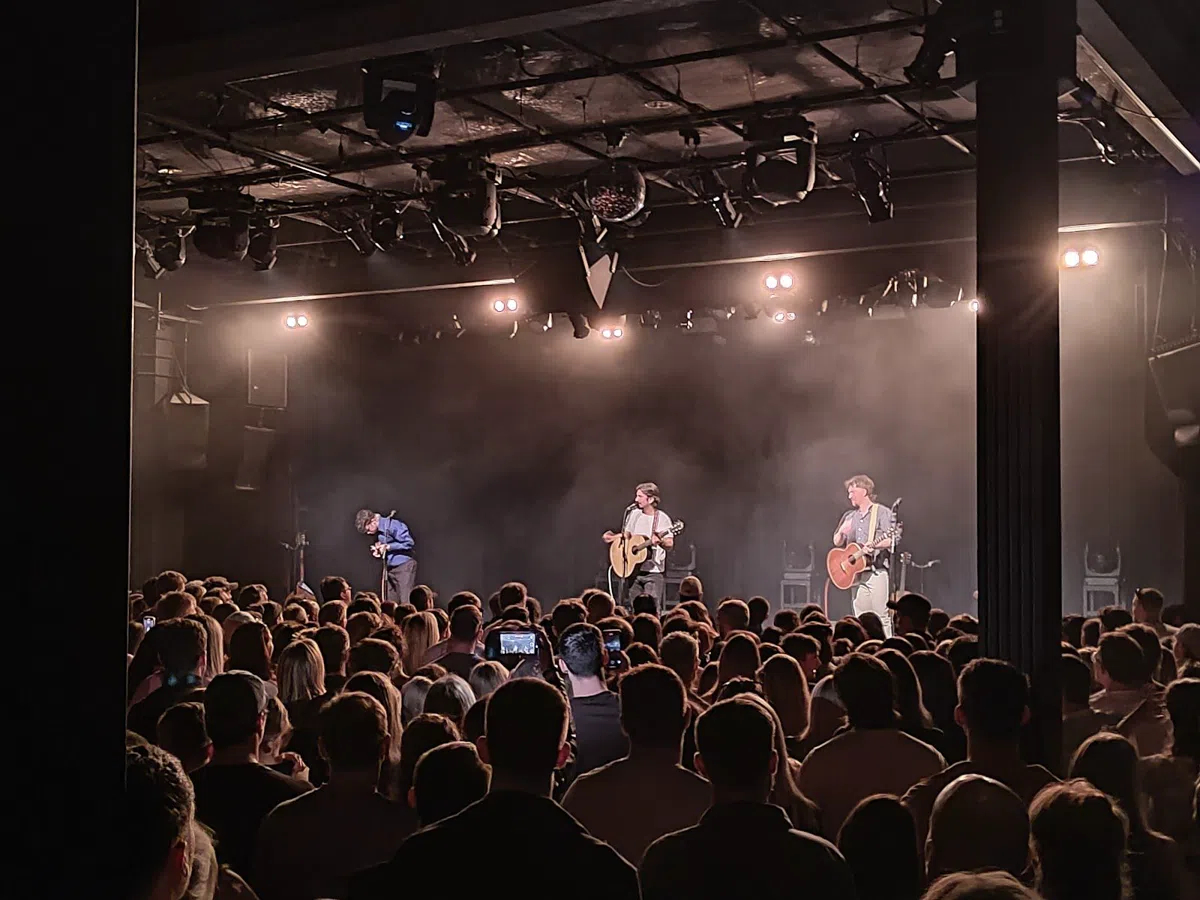
Start in Echo Park, where The Echo [Echo Park] carries two of the night's most different bookings under one roof. The room opens with Grand Ole Echo, the venue's long-running Sunday residency — enough of a fixture here that it counts as neighbourhood institution rather than a one-off show — before turning over later in the night for a set from BIA. Both fall under the same door policy: general-admission standing room, walk-ups fine for small groups, no bottle service or group packages, because this is a scene bar built for people who came to stand near the speakers, not book a table. Tickets run $15–30, and there is no real reason to arrive with a plan beyond showing up.
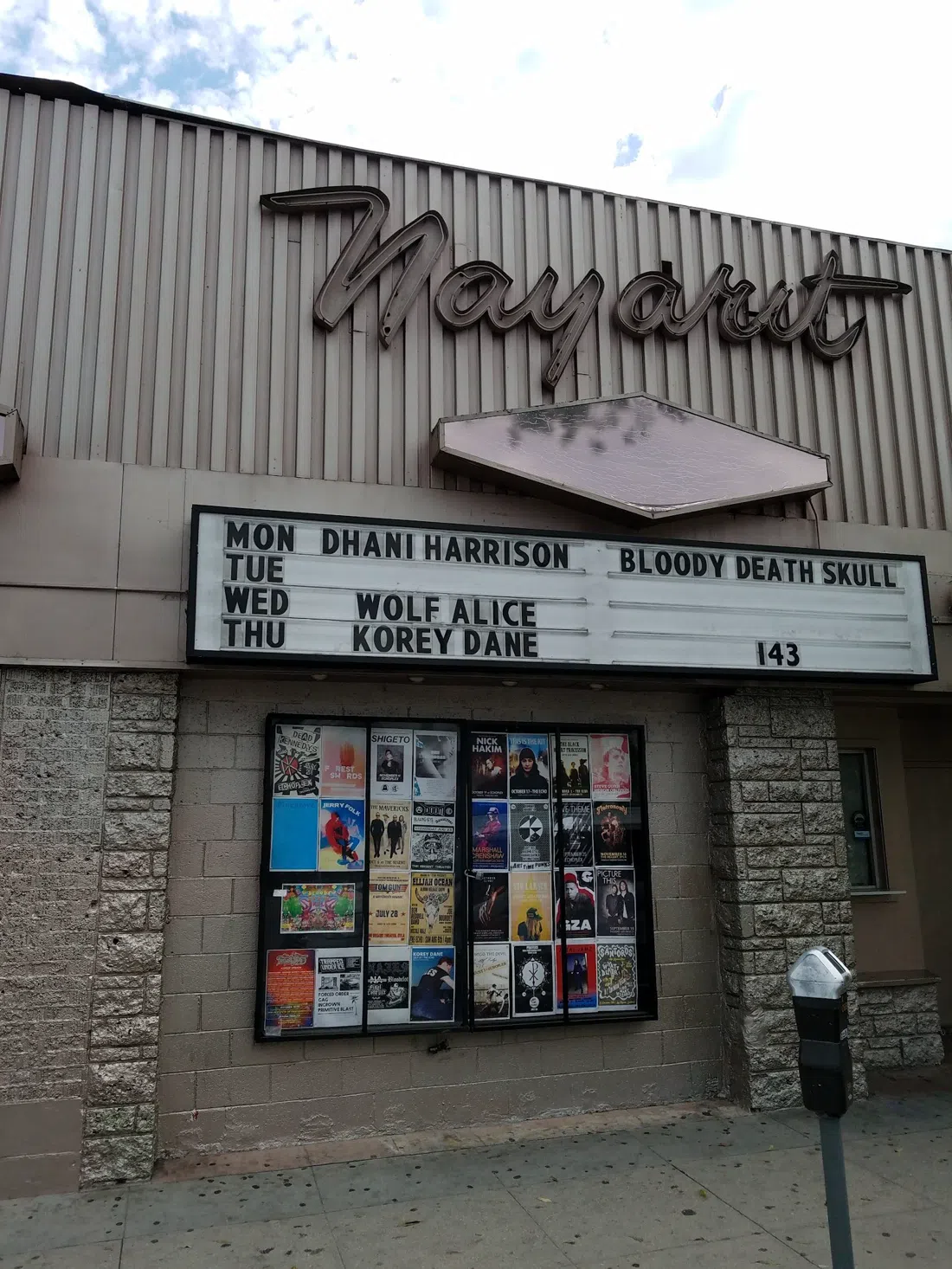
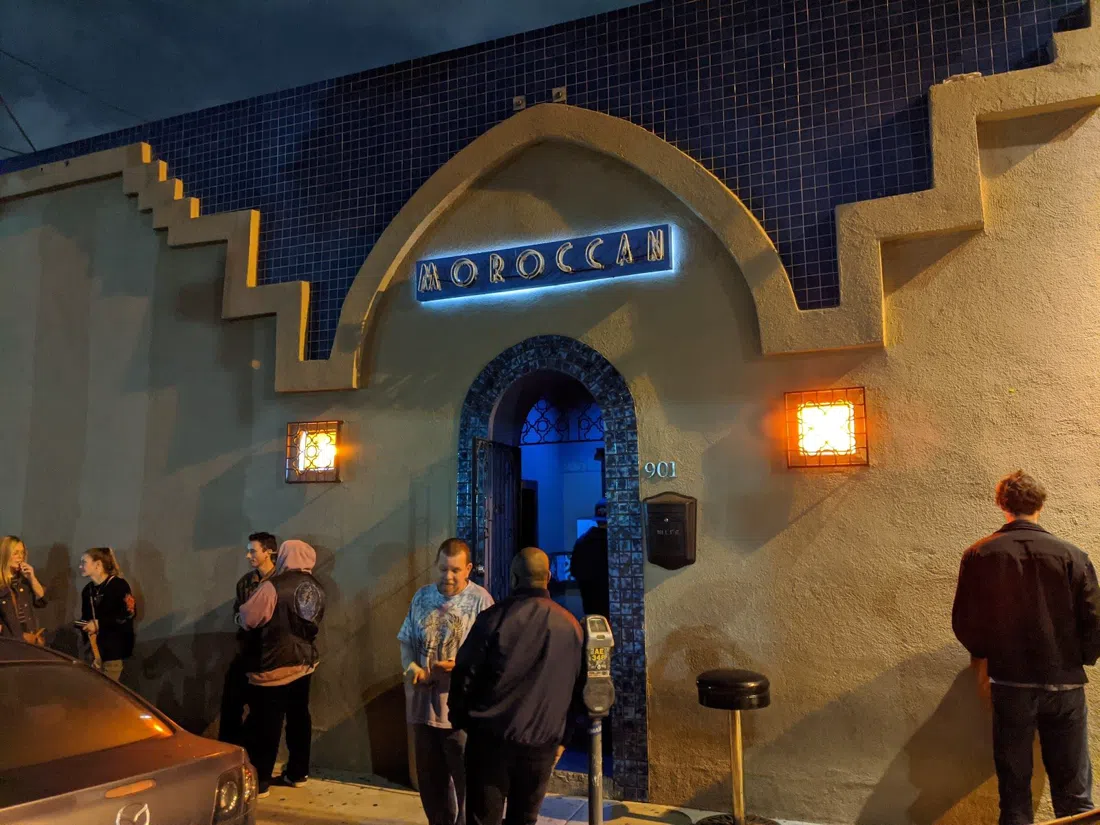
A short ride away in the Arts District, The Moroccan Lounge [Arts District] hosts Noah Levine with Corey Harper — a smaller, more intimate booking from the same team behind Teragram Ballroom and, further afield, Bowery Ballroom. The room is standing-room and genuinely small; small groups are welcome at the door, but there is no formal group-booking desk, so this is a show for people who want to be close to the stage rather than a party trying to reserve a section. Tickets sit at $15–25.
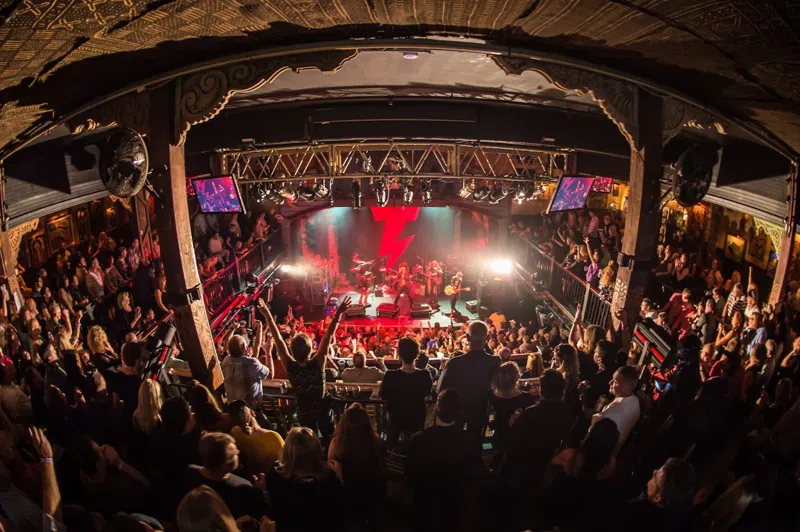
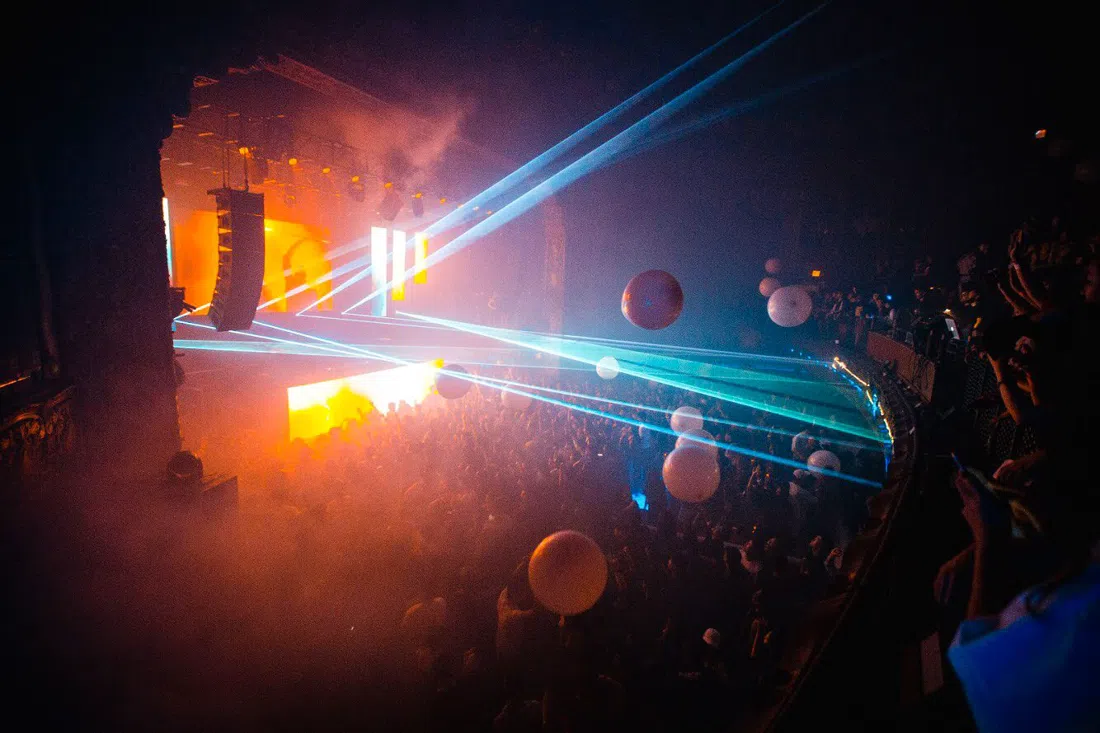
Downtown, The Belasco [Downtown] gives Tomahawk a stage under a gilded, century-old ceiling — the theater opened in 1926 and still carries the scale to prove it, with a standing floor and balcony seating plus VIP and bottle areas for anyone who wants them. It is a genuine only-in-LA contrast: a heavier, harder-edged band inside a room built for a very different era of entertainment. Tickets run $30–60, and the venue's size makes it one of the more comfortable options here for a larger group.
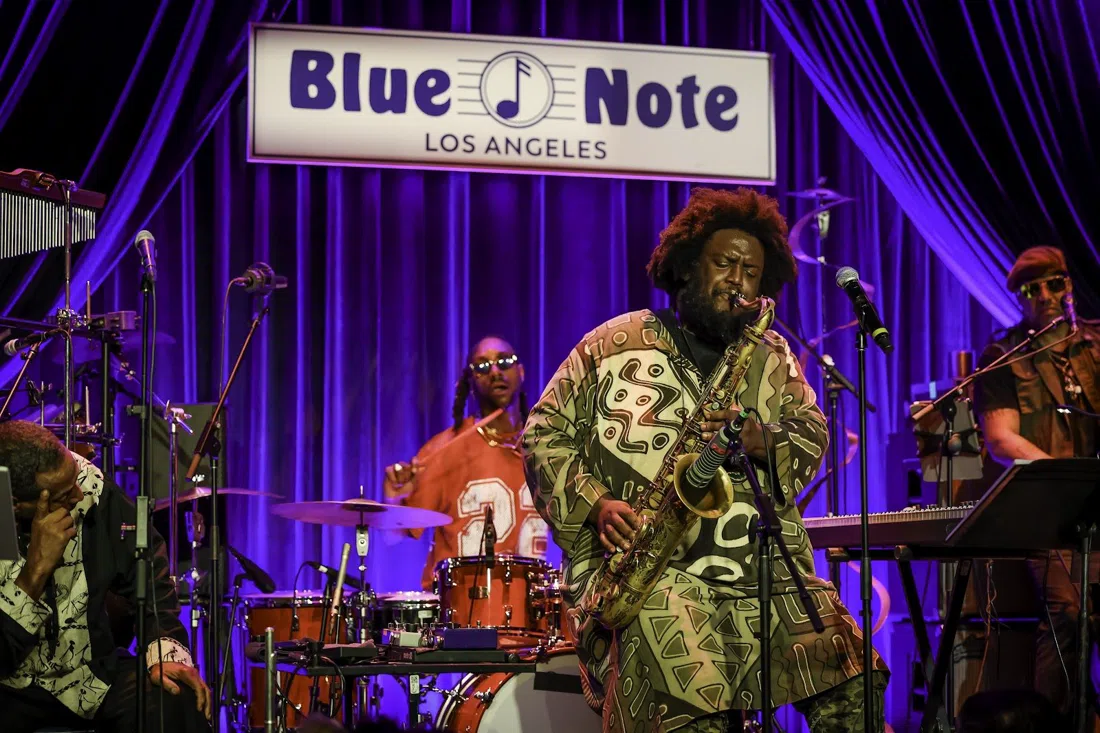
Across town, Blue Note Los Angeles [Hollywood] runs the newest format on this list: a table-service supper club, in the jazz-room tradition its sister venues are known for, where dinner and the show are paced together rather than treated as two separate errands. On August 17 that means Wayne Brady & Friends with Live Band — reserve a table ahead if you want one, since this is the one room here actually built to book well for a group rather than absorb a walk-up crowd. Cover runs $40–90 or more, with dinner optional.
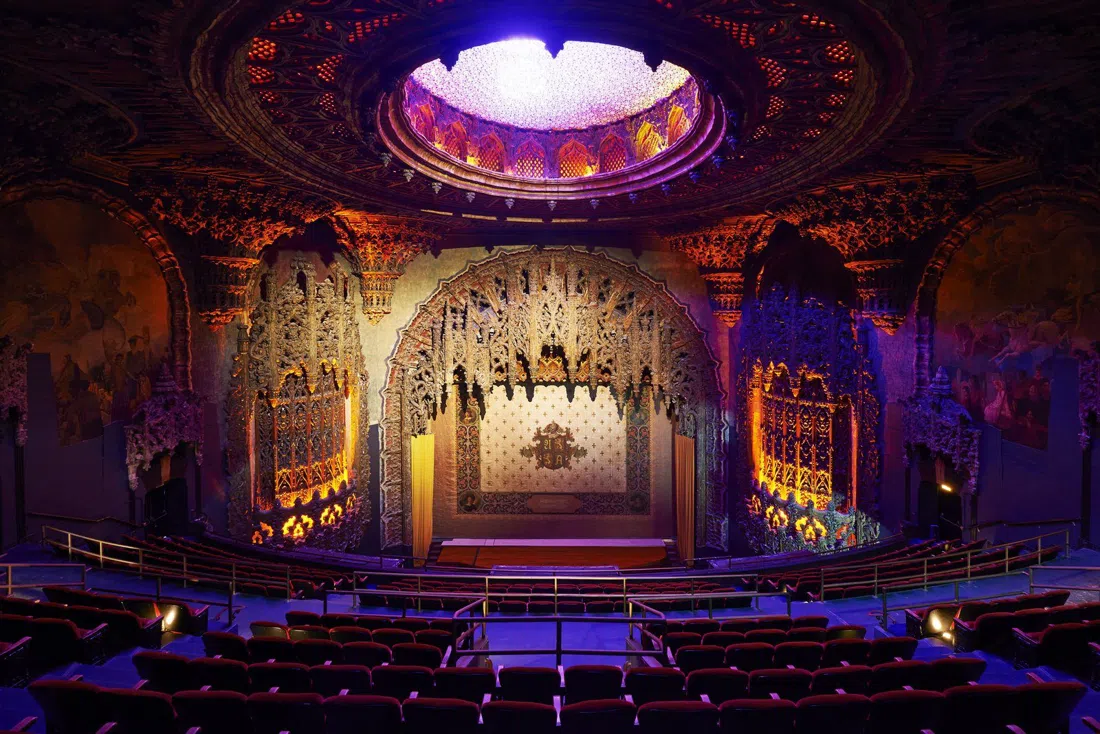
Also downtown, on Broadway, The United Theater on Broadway [Downtown] stages Michael Feinstein's evening of the Great American Songbook. The mirrored ceiling alone is reason enough to make the detour before the show even starts — it is a full seated movie palace, straightforward to book through standard ticketing with no special group process required given the seat count. Tickets run $40–80.
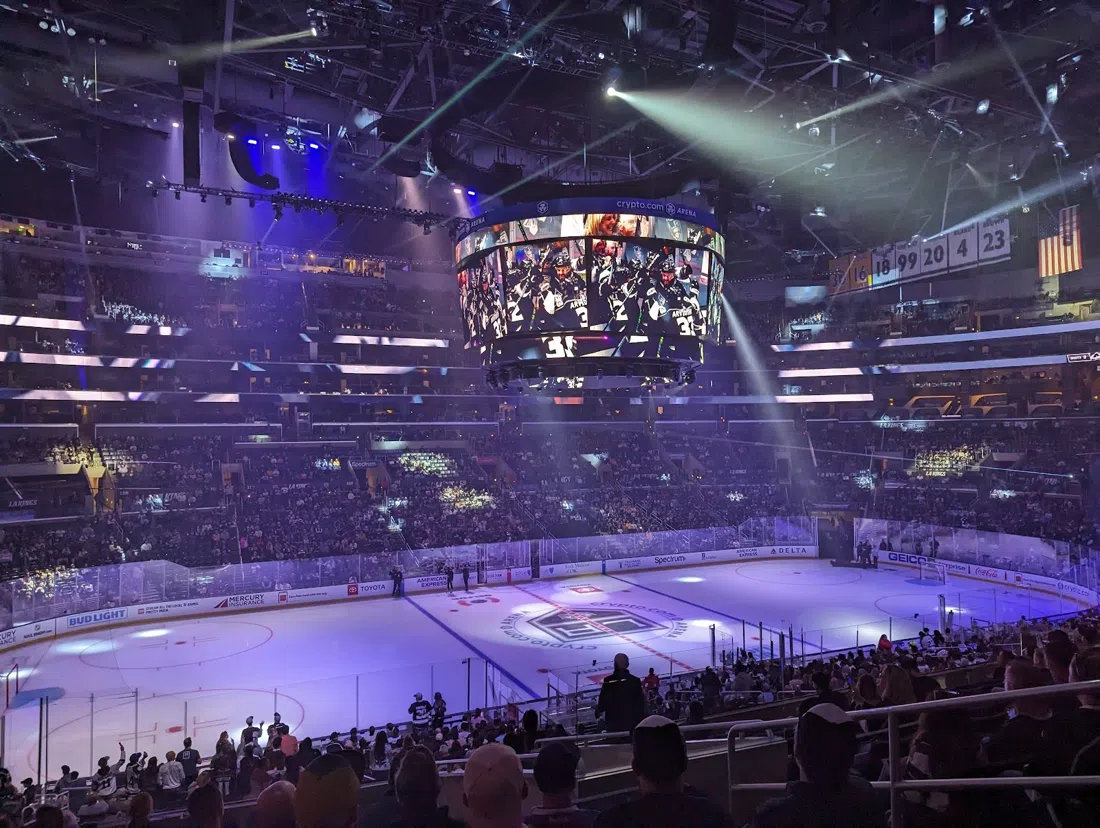
The night's largest booking closes things out at Crypto.com Arena [L.A. Live, Downtown], where KCON's Sunday finale turns the whole L.A. Live plaza into a K-pop takeover. It is the only arena-scale stop across these two nights, built for genuinely large crowds with dedicated group-sales tickets, and it runs at a different register entirely from the club bills nearby — worth knowing about even if K-pop is not the draw, since it will shape traffic and foot crowds around L.A. Live that night. Tickets start at $95.
August 18: A Second Night, A Different Register
The following night keeps three of the same rooms running and adds two new bookings, at a noticeably quieter pace than the first.
Teragram Ballroom [Downtown/Westlake], the Moroccan Lounge's sister room, hosts Desert Daze's psych-leaning showcase, Angine de Poitrine — a heavier, more left-field bill than most of what plays elsewhere across these two nights. It is a standing-room ballroom, mid-sized rather than intimate, and small-to-medium groups are comfortably accommodated at general admission. Tickets run $20–40.
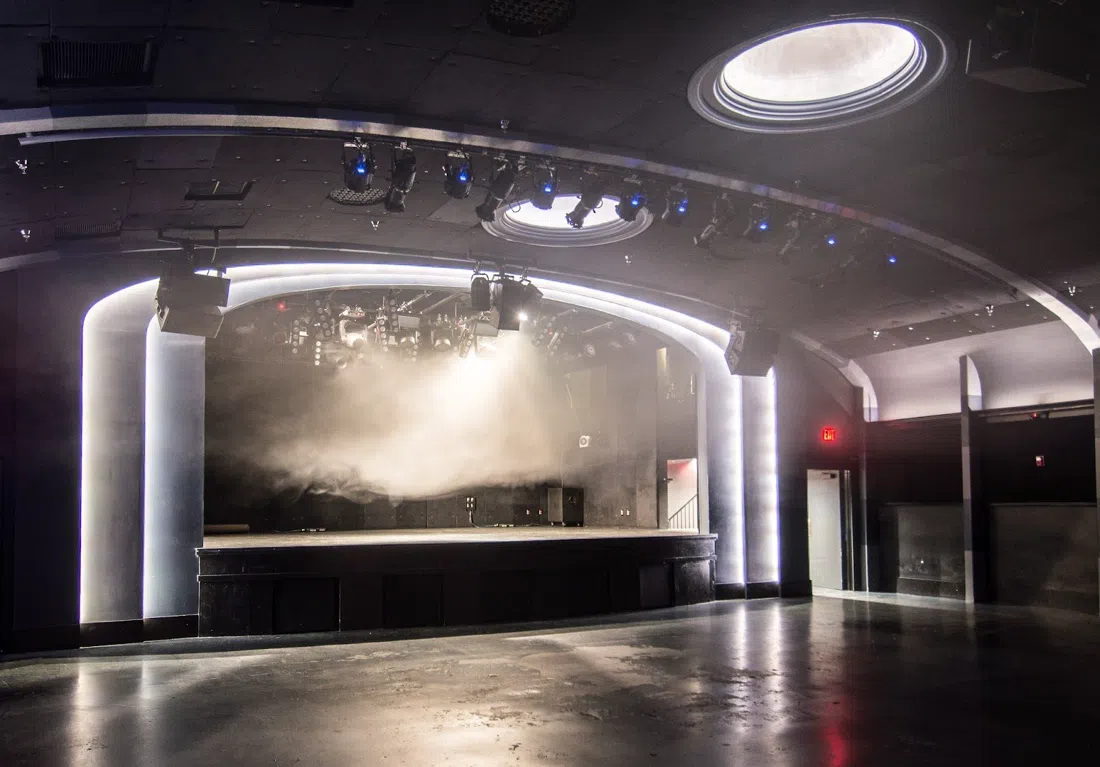
Blue Note Los Angeles turns over into its Magnus & Friends residency, in the same table-service, dinner-and-a-show format as the night before — reserve ahead for a group, same as always in this room.
The Echo brings back a third booking across the two nights with Rucci, under the same general-admission, walk-up-friendly terms as Grand Ole Echo and BIA — no group packages, no bottle service, just a standing room and a stage that has changed acts three times in two days without changing its rules.
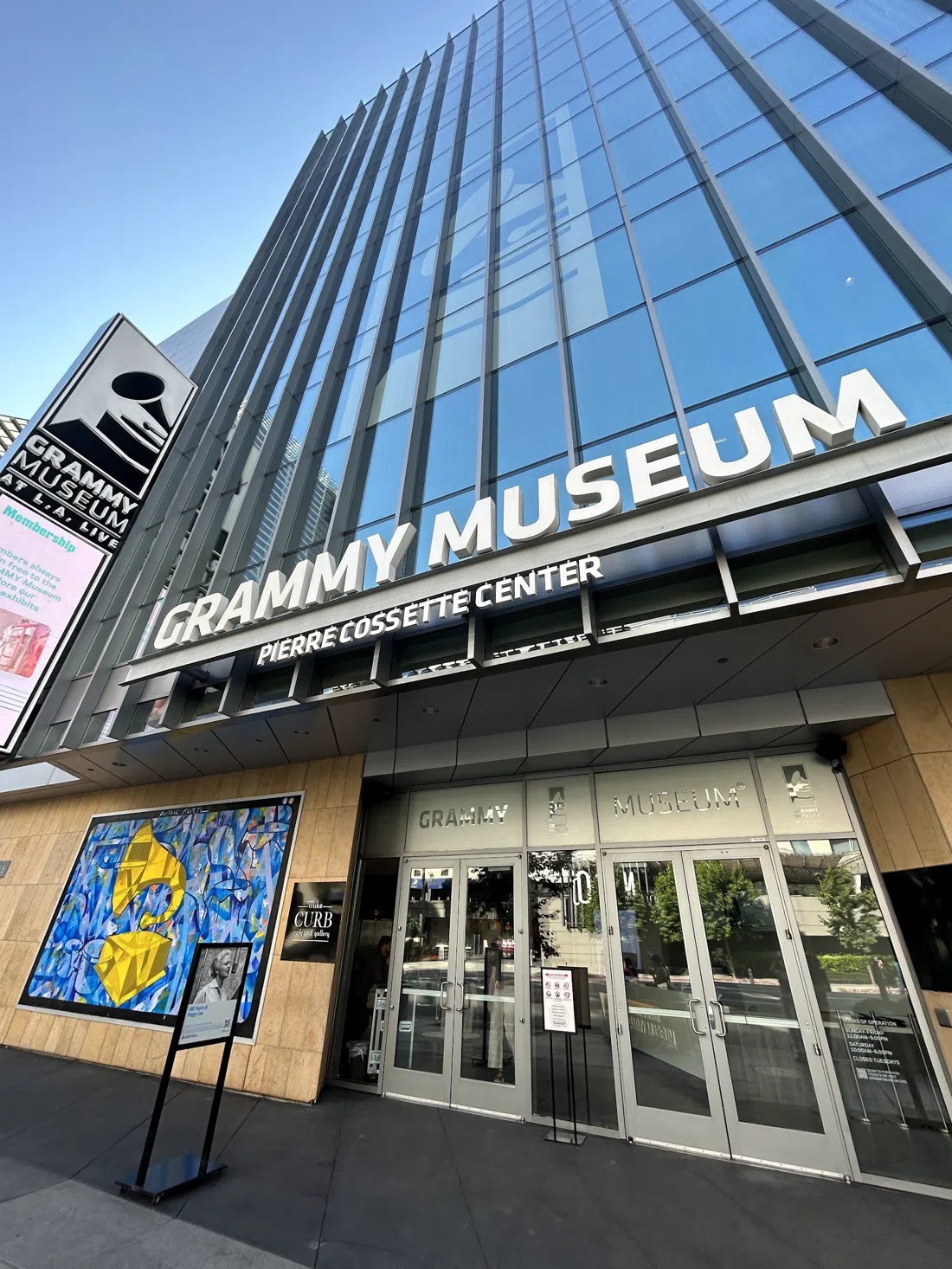
Across the L.A. Live campus, GRAMMY Museum L.A. Live [L.A. Live, Downtown] hosts An Evening With Angelique Kidjo as part of its in-conversation concert series — a genuinely different register from the club circuit, staged as a seated theater performance inside the museum itself. Capacity is limited, which makes this one of only two rooms across these two nights, alongside Blue Note, where booking ahead actually matters; tickets run $25–50.
The stretch closes back at The Moroccan Lounge with Dogma Society and Nautics, under the same intimate, small-groups-welcome terms as Noah Levine with Corey Harper the evening before.
Planning the Two Nights: Transport, Cash, Timing, Budget
Echo Park, the Arts District and Downtown are three distinct pockets of the city, and none of these venues sit within walking distance of each other — plan around one cluster per night rather than hopping between them. The Downtown cluster (The Belasco, Blue Note Los Angeles, The United Theater on Broadway, Crypto.com Arena and GRAMMY Museum L.A. Live) is dense enough to cover on foot once you are there, and the Metro A and B Lines both run into the area if you would rather not drive. Echo Park and the Arts District each sit on their own, a short rideshare or drive from Downtown and from each other — save the car for those two hops rather than for getting around within Downtown itself.
Doors for the club shows (The Echo, The Moroccan Lounge, Teragram Ballroom) typically open well before the headline set — arrive early if you want to stand close, since none of these rooms sell reserved viewing spots. The seated venues (The United Theater on Broadway, GRAMMY Museum L.A. Live) and the table-service room (Blue Note Los Angeles) reward booking ahead instead; a seat or a table does not materialize at the door the way a spot on the floor does.
Budget depends entirely on which register you are choosing: club tickets across The Echo, The Moroccan Lounge and Teragram Ballroom run $15–40, the theater and supper-club tier (The Belasco, The United Theater on Broadway, Blue Note Los Angeles, GRAMMY Museum L.A. Live) runs $25–90, and Crypto.com Arena starts at $95 and climbs from there. Most venues take cards without issue, but it is worth carrying some cash for nearby parking lots and smaller bar tabs, which do not always run on card readers.
If you are building a trip around either night, start with a Los Angeles hotel search — Downtown puts you closest to the largest cluster of rooms this week, while Echo Park or the Arts District suit a trip built around the smaller club shows instead.