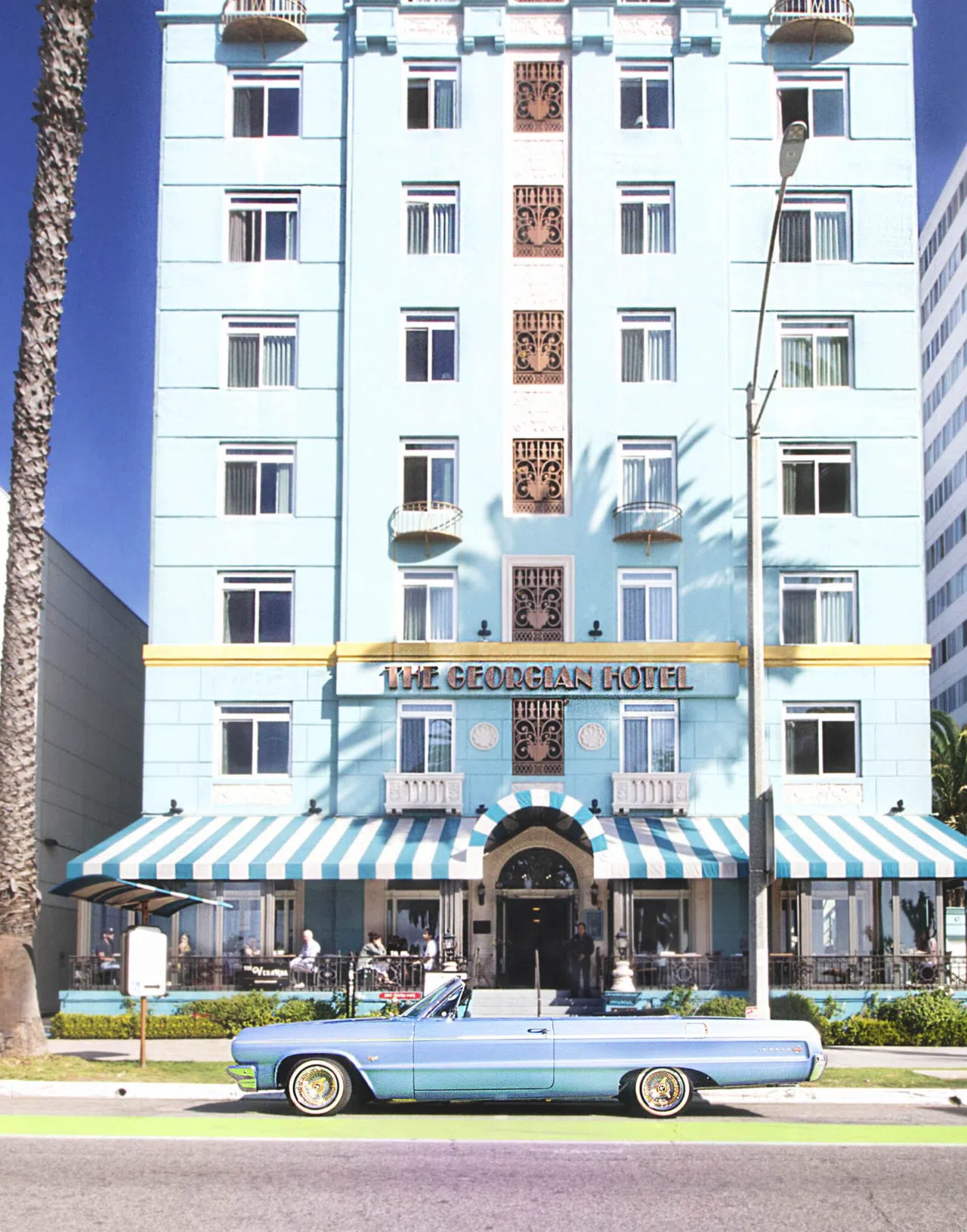
A lowrider idles at walking pace, chrome catching the streetlight, hydraulics ticking like a slow metronome — for the length of a block, the car is doing exactly what it was built to do: be looked at, not driven fast. That inversion is the whole point of Los Angeles' lowrider culture, a craft built in East LA garages since the 1940s that doubles as a rolling record of Chicano history, civic memory, and a very specific kind of automotive patience. Seeing it properly means treating it as both a museum piece and a living street practice — walk the neighborhoods before you book the show, and let the show explain what the pavement doesn't say out loud.
Where to Start: A Museum-Grade Introduction
Most visitors should begin indoors, not because the culture belongs in a case, but because a good museum show gives you the vocabulary before you go looking for the real thing on the street.
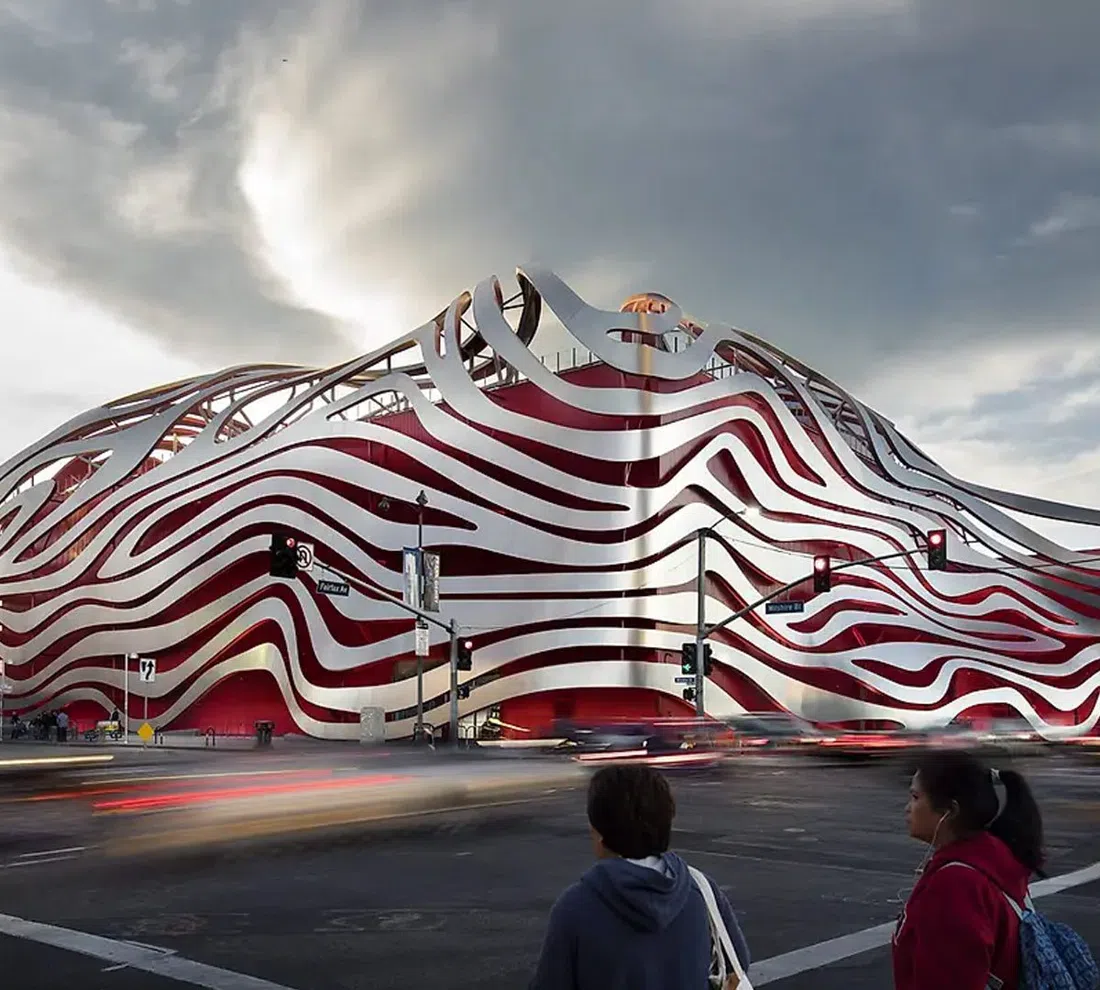
Petersen Automotive Museum (Miracle Mile) is currently running "Best in Low: Lowrider Icons of the Street and Show," the museum's largest lowrider exhibition to date. It traces the craft from candy-paint layering to hydraulic engineering, and it does so with the kind of institutional patience — object labels, restored histories, build sheets — that a moving car on a boulevard can't offer you in the ten seconds it passes. General admission is $52 for an adult, which includes the Vault, the museum's basement collection of cars not on the main floor. The museum is built for volume: school groups, tour buses and large parties move through it constantly, and group-rate tickets are available if you're arriving as more than a couple. There's no door policy to navigate here, no getting the timing right — it's simply open, which makes it the most reliable first stop on a lowrider-themed day, especially if your schedule is tight or the weather isn't cooperating.
Riding Inside the Archive
A museum exhibit is still a proxy. The next tier of engagement puts you inside an actual show car.
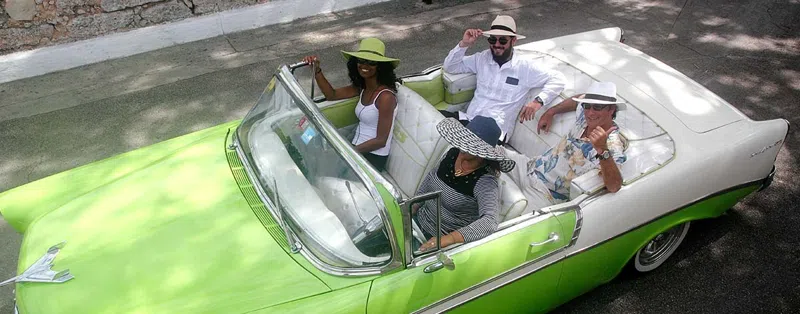
Lowrider Tours LA runs a three-hour route in a real, custom-built lowrider, with a driver-guide who has usually spent decades in the car-club world personally. Groups are capped at roughly four people per car, though multiple cars can be booked together if your party is larger — worth arranging in advance rather than assuming it on the day. Pricing runs $100–125 per person. This is the closest the culture gets to letting a visitor sit inside the "archive" itself, rather than read about it from outside a rope line: you feel the hydraulics work, you hear how a car this heavily modified actually rides, and the guide fills in context a museum label can't — which club built which car, which street it used to cruise, who's still driving it. It suits couples and small groups better than large ones, simply on account of the seating.
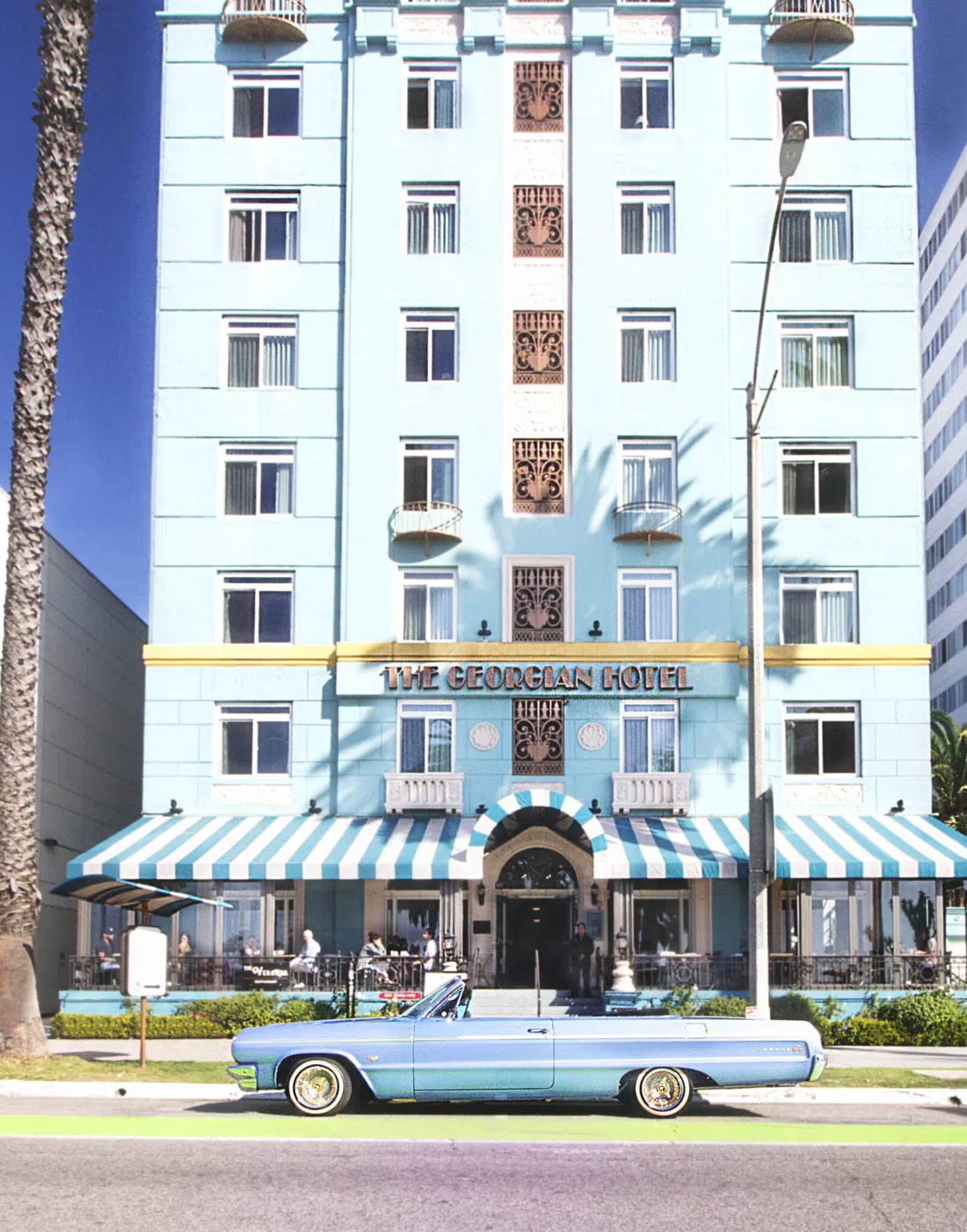
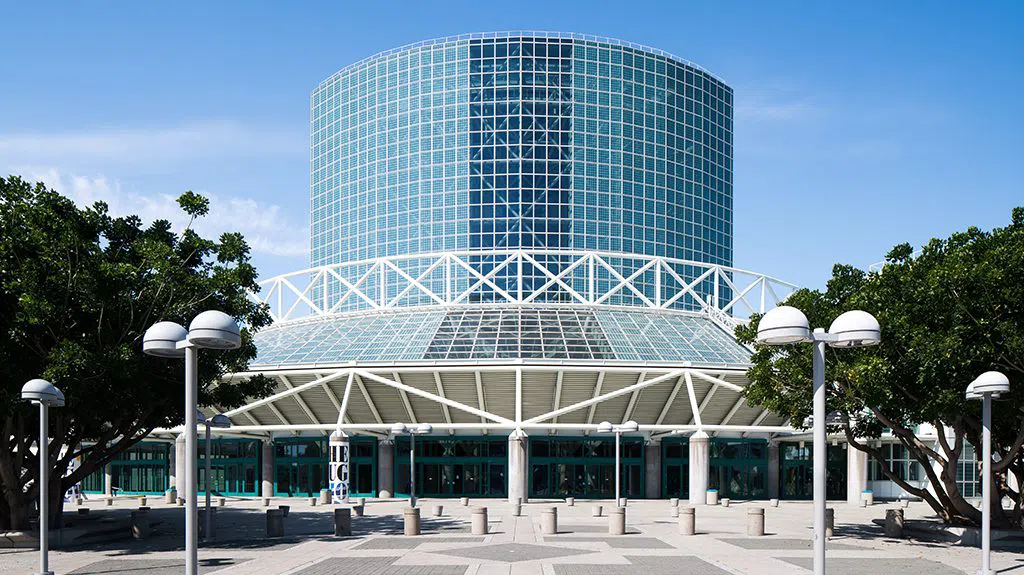
For something closer to a public spectacle, the Los Angeles Lowrider Super Show takes over the LA Convention Center on September 5, 2026 — a single day, once a year, but the largest concentration of builders, car clubs and competition vehicles the scene puts in one room. Tickets run roughly $25–40, and it's built to handle crowds: kids 12 and under go free, and the format is standard convention-center ticketed entry, not a door you need to charm your way past. If a trip can be timed around it, it's worth doing — nothing else compresses this much of the culture's competitive and craft side into one afternoon. If your dates don't line up, don't treat it as essential; the rest of this guide holds up fine without it.
The Street Itself
The museum and the tour both explain the culture. The street is where it actually happens, unscripted, and where the etiquette matters more than at any ticketed venue.
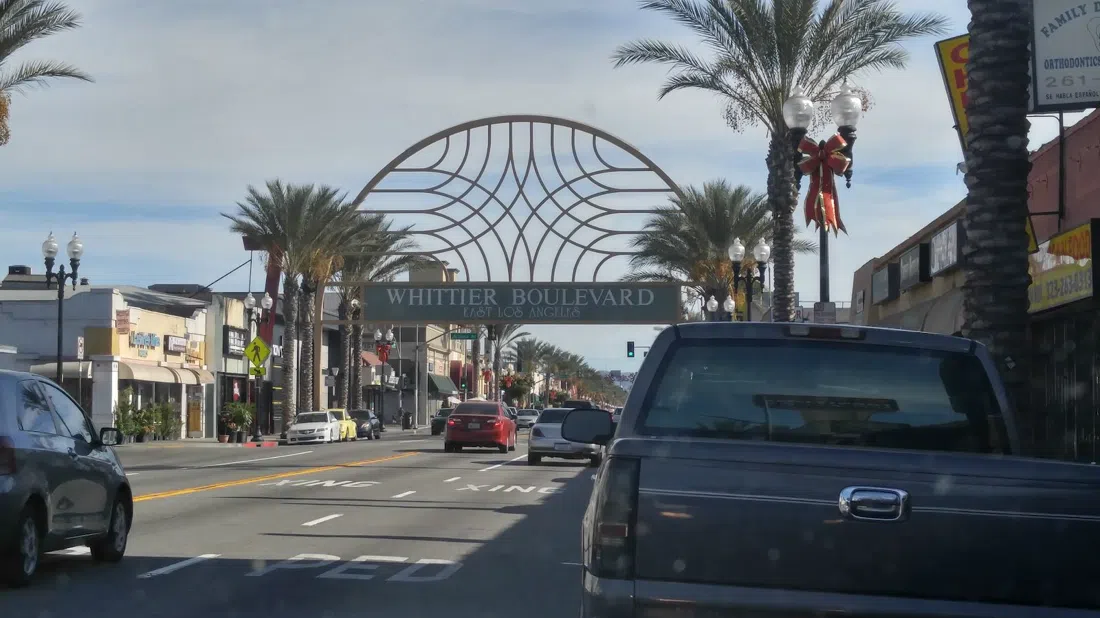
Whittier Boulevard (East LA) has been the historic spine of Los Angeles lowriding since the Boulevard Nights era of the late 1970s — the strip that gave the culture its name recognition well beyond Southern California, back when police crackdowns and anti-cruising ordinances pushed much of the scene underground for decades. California repealed its statewide cruising ban in 2023, and Whittier has been visibly, legally active again since. It's a public street, which means there's no door and no ticket, but there is an etiquette: you're a pedestrian spectator here, not someone angling to cut into the cruise in a rental car. Stand back, watch, and remember that for the people driving, this is a Saturday-night ritual with real history attached, not a photo opportunity staged for tourists.
York Boulevard Cruise Night (Highland Park) is the newer, more grassroots version of the same idea — an informal, family-friendly open-air meet organized through Instagram (@la_cruisenights_carshows) rather than any formal booking system. It's free, it's less polished than anything with a ticket price, and that's exactly its value: it's the closest thing the culture has to a living, weekly heartbeat rather than a scheduled show. Check the Instagram before making the trip, since as with any informal grassroots gathering, dates shift.
The Culture Behind the Cars
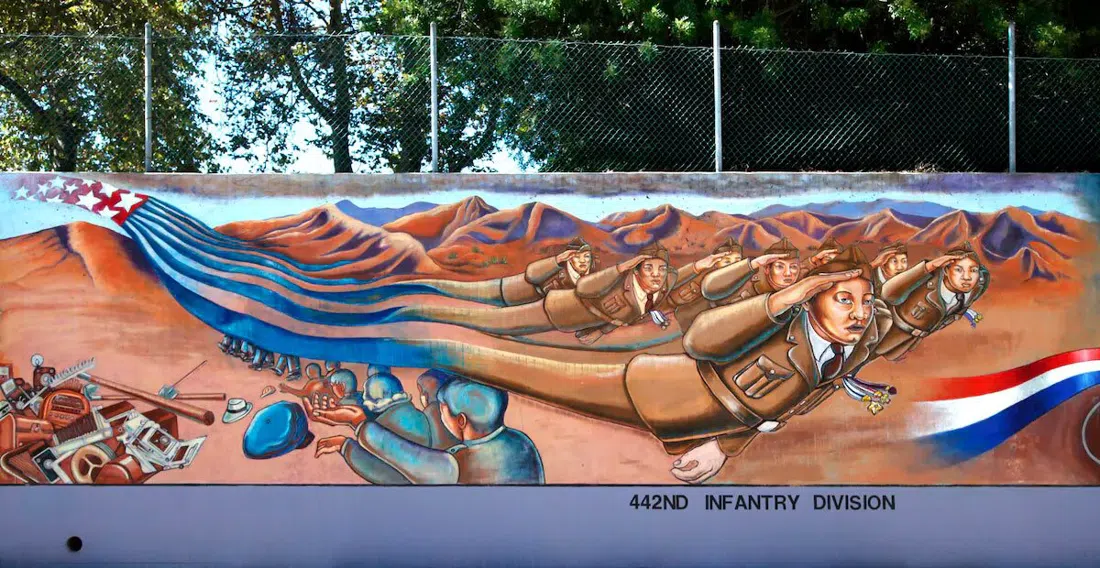
Lowriding didn't emerge from nowhere, and the visual language it uses — the religious iconography, the murals, the barrio pride — comes out of a wider Chicano artistic and civil-rights tradition that's worth seeing in its own right.
The Great Wall of Los Angeles (Valley Glen, San Fernando Valley) is Judy Baca's half-mile mural along the Tujunga Wash flood-control channel, begun in 1976 and still growing — SPARC unveiled a new expansion segment in February 2026. It's the wider visual archive that lowrider culture's own iconography grew out of: multi-ethnic Los Angeles history painted in a linear, chronological narrative. It's fully open-air, free, with no capacity limit, which makes it easy to fold into a group itinerary of any size.
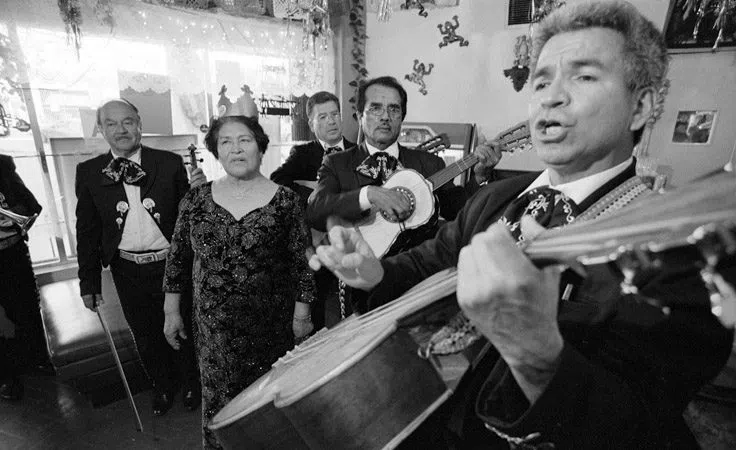
Mariachi Plaza (Boyle Heights) sits one street over from the neighborhoods where much of East LA's car-club culture is rooted, and functions as the district's social heart — liveliest in the evenings and on weekends, when musicians gather waiting for hire. It's a public plaza with no admission and no real constraints on group size, and pairs naturally with a Whittier Boulevard visit given the geography.
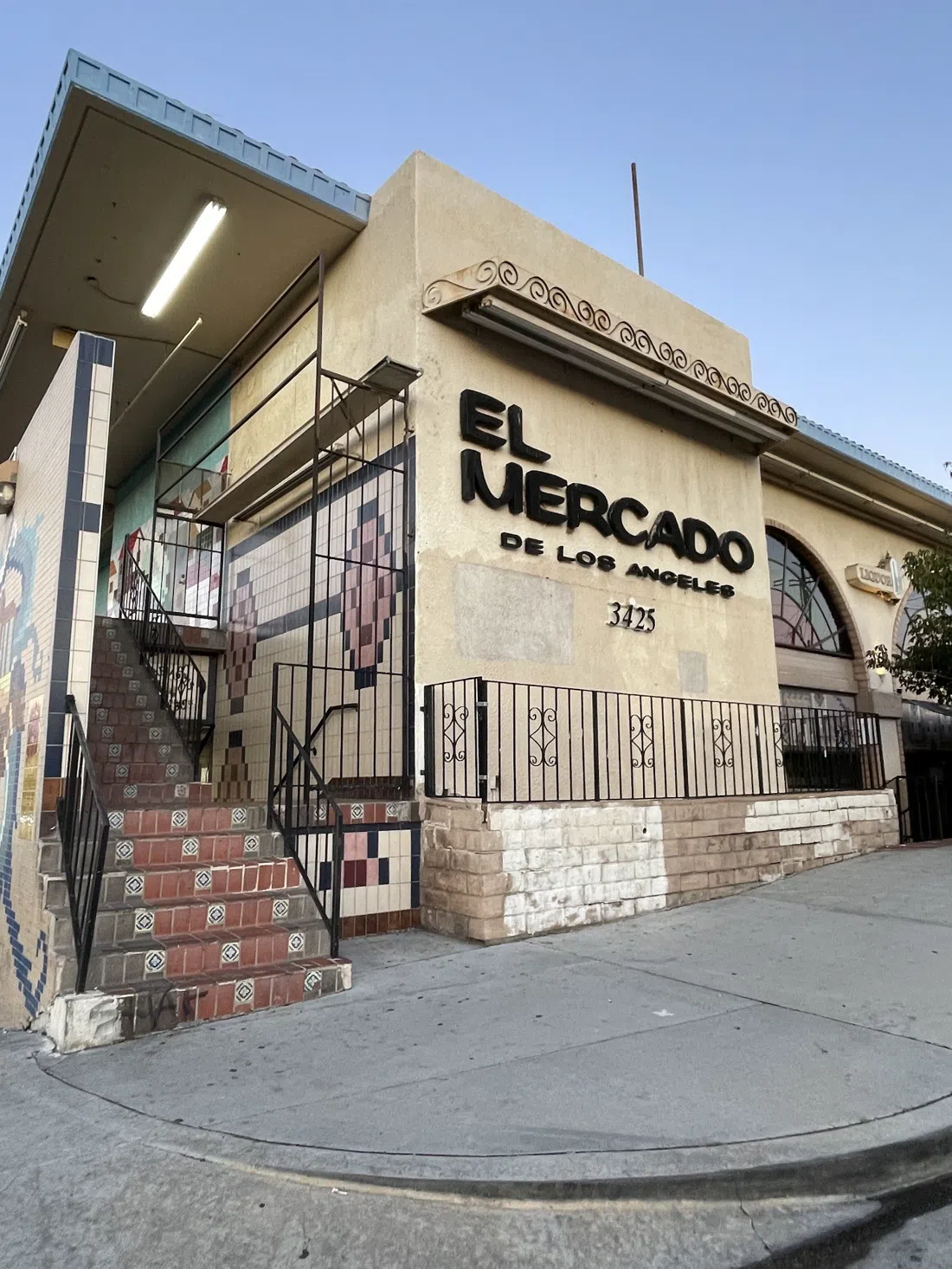
El Mercado de Los Angeles (Boyle Heights) is a block from Whittier's cruising heritage, and the natural place to round out a lowrider-themed day with food and live mariachi on the same streets the culture grew up on. Entry is free; food and drink are extra. It handles groups easily, and the atmosphere is best on weekend evenings, which conveniently overlaps with when York Boulevard and Whittier are both liveliest.
The Institutions Keeping the Record
For readers who want the historical throughline rather than just the atmosphere, three Eastside institutions supply the context that turns "cars with hydraulics" into a documented cultural practice.
LA Plaza de Cultura y Artes (Downtown LA, El Pueblo) is a free, Smithsonian-affiliated museum built around the story of Mexican migration, barrio formation and the civil-rights era in Los Angeles — the historical scaffolding that lowriding's iconography and identity politics sit on top of. It's free, handles school and tour groups routinely, and it's worth checking what temporary exhibition is running before you go, since the permanent collection is only part of the offer.
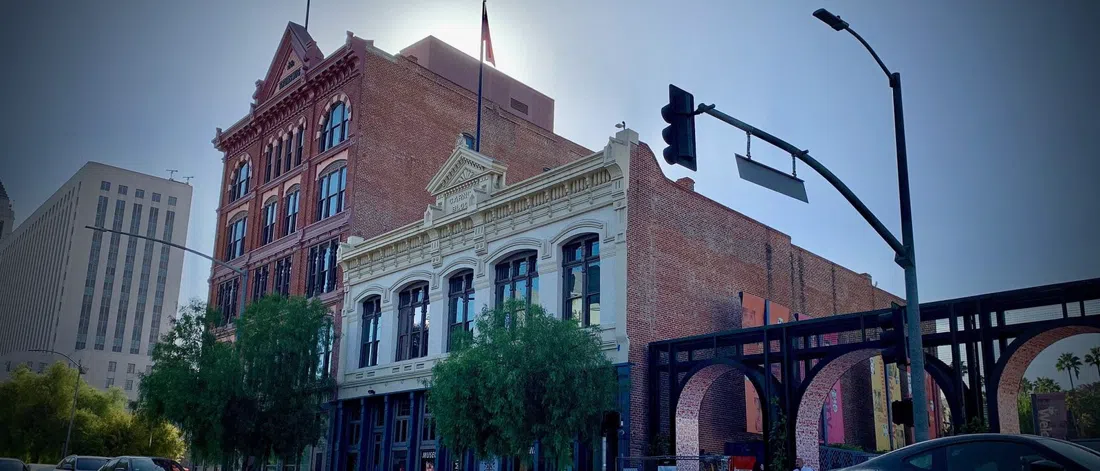
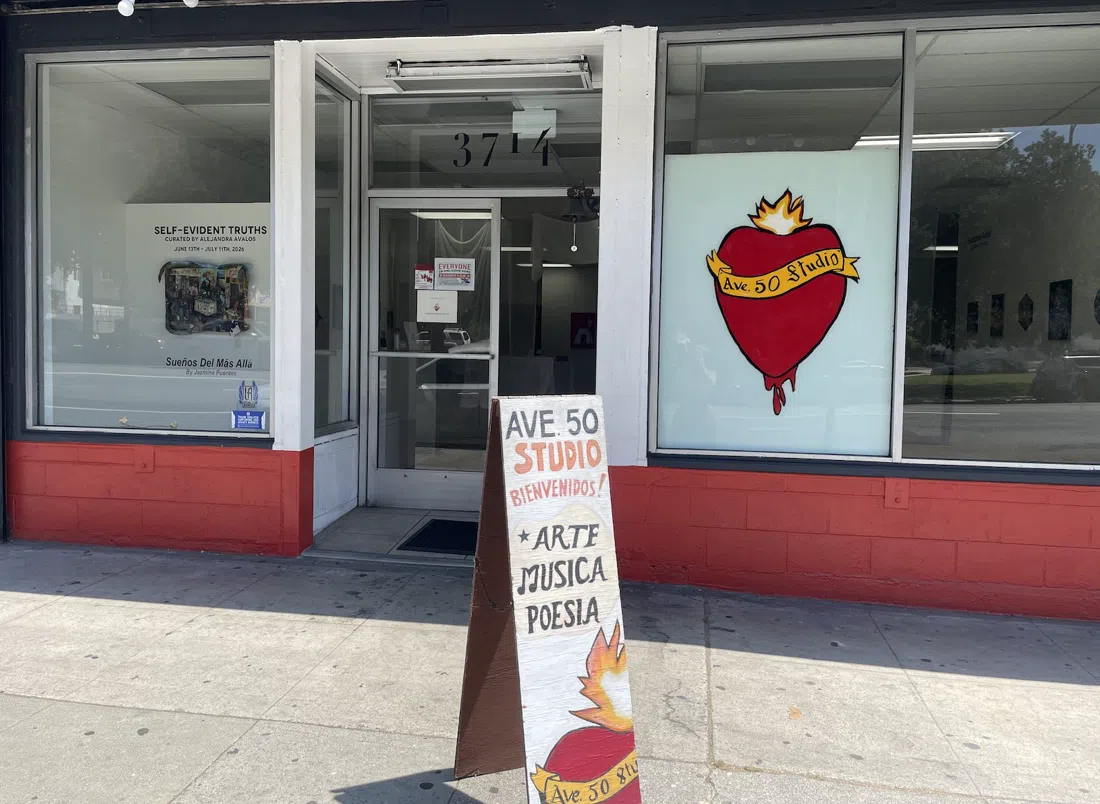
Avenue 50 Studio (Highland Park) is a small, nonprofit, artist-run gallery — the unpolished, working counterpart to a museum's polish. It's genuinely part of the Chicano arts scene rather than a venue built for tourists, and it's best visited as a small group; opening receptions welcome walk-ins if your timing lines up with one. Admission is free, donations welcome.
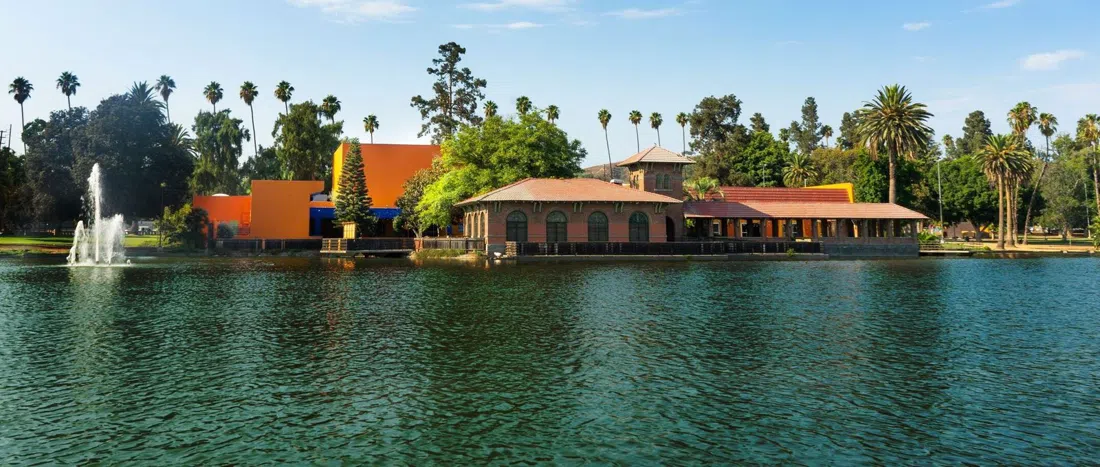
Plaza de la Raza (Lincoln Heights) has operated as an Eastside arts-education campus since 1970, and it's useful for one specific reframe: it places lowrider customization inside a broader tradition of Chicano creative practice — visual art, music, theatre — rather than treating it as an isolated curiosity. The grounds are free to visit; classes and programs carry separate fees. Group visits and school tours are routine here, so it handles numbers well.
Building the Day, and Where to Base Yourself
None of this is geographically tight — Highland Park, Boyle Heights, Lincoln Heights and the Miracle Mile are distinct pockets of the city, connected more by culture than by walking distance. A sensible one-day version starts at the Petersen in the late morning, moves east for lunch and Avenue 50 Studio or LA Plaza de Cultura y Artes in the afternoon, and times the evening for York Boulevard or Whittier Boulevard, when both are actually alive with cars. Doing the whole list in a single day is possible but rushed; splitting it across two lets the evening cruising spots land properly rather than being squeezed in as an afterthought.
If you're staying centrally, the Los Angeles hotel search is worth checking before you commit to a neighborhood — proximity to the Eastside cuts down considerably on the evening driving this itinerary otherwise requires. For a fuller sense of the city beyond this one thread of its culture, the Los Angeles guide covers the wider picture.
Practical Notes
Getting around. Walk Mariachi Plaza, El Mercado and the Whittier Boulevard stretch together — they're close enough on foot, and Metro's L Line (Gold) stops directly at Mariachi Plaza station, the easiest way in from Downtown without a car. Highland Park (York Boulevard, Avenue 50 Studio) is also on the L Line, a few stops further out. The Petersen, on Wilshire, is better reached by car or rideshare; there's no direct rail line to Miracle Mile. For the Lowrider Tours LA route and the evening cruise nights, you're a passenger or pedestrian either way — driving yourself to a cruise spot and hunting for parking close by is neither necessary nor, at Whittier on a busy night, especially easy.
Cash. Most of what's listed here — the museum, the tour, the show, El Mercado — takes cards without issue. Keep some cash for street vendors near Whittier Boulevard and around cruise nights, where informal food stalls are common and card readers aren't guaranteed.
Timing. Cruise nights and Whittier Boulevard's evening activity are weekend phenomena, heaviest after dark. Museums and galleries are daytime concerns. The Lowrider Super Show is fixed to September 5, 2026 — build a trip around that date only if you actually want the show itself; otherwise any weekend works, since the street-level culture doesn't depend on it.
Budget. A single visitor can cover the Petersen and a full day of free stops — Mariachi Plaza, the Great Wall, El Mercado, the Plaza de la Raza grounds, York Boulevard — for well under $100 including food. Adding the Lowrider Tours LA experience is the one real splurge, at $100–125 per person, and it's the one that turns the day from observation into participation — worth it if the budget allows.