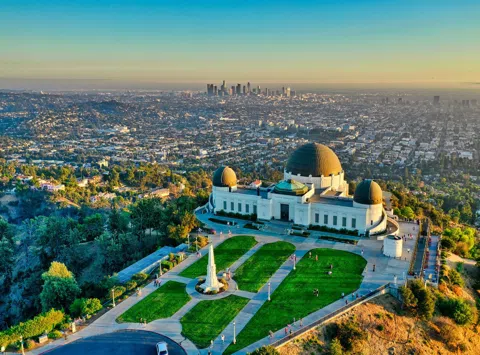
Los Angeles-numret
A Full Day on the Hollywood Walk of Fame in Los Angeles
The stars are free and never close, so the day has to be built out of the buildings on either side of them.

Av Tobias LindqvistThe city on foot and by Metro
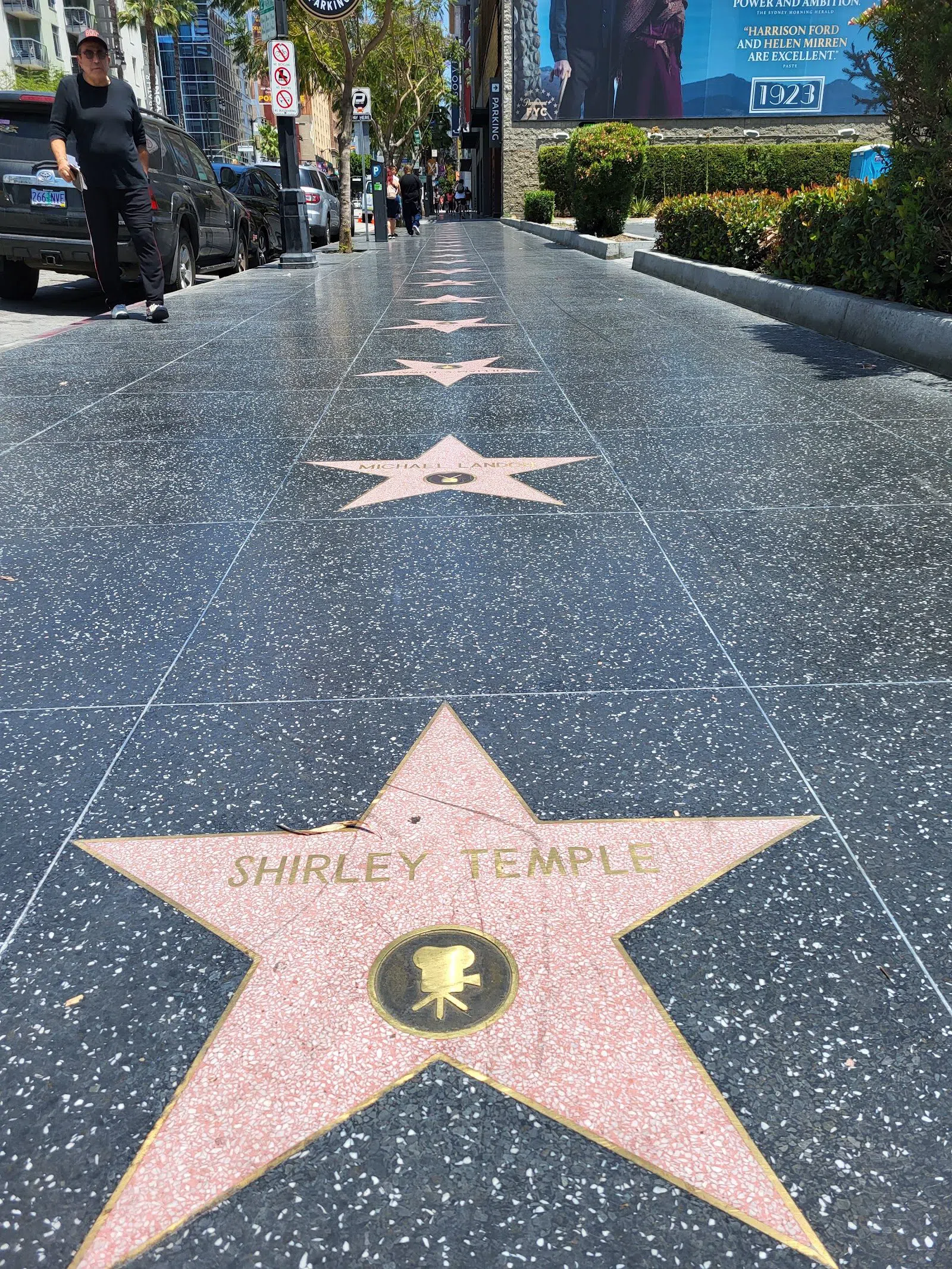
The stars begin well east of the crowds, and for the first few blocks you will read names you have never heard of: radio announcers, silent-era directors, people whose fame did not outlive them. Then the pavement thickens around Highland, the costumed characters appear, and the thing shows itself for what it is. A public footway with more than 2,800 brass-and-terrazzo plaques set into it, free, ungated, never closed. The day stands or falls on the buildings either side, not on the brass.
What the brass actually is
The Hollywood Walk of Fame (Hollywood Boulevard and Vine Street, Hollywood) runs 1.3 miles along the Boulevard, with a further 0.4 miles heading south down Vine. There is no gate, no ticket and nothing to book. Any group size walks it free, at any hour, in any weather. Each star is a coral terrazzo square with a brass rim, a name, and a small emblem telling you which trade the honoree worked in: film, television, recording, radio, live theatre. That is the whole of it.
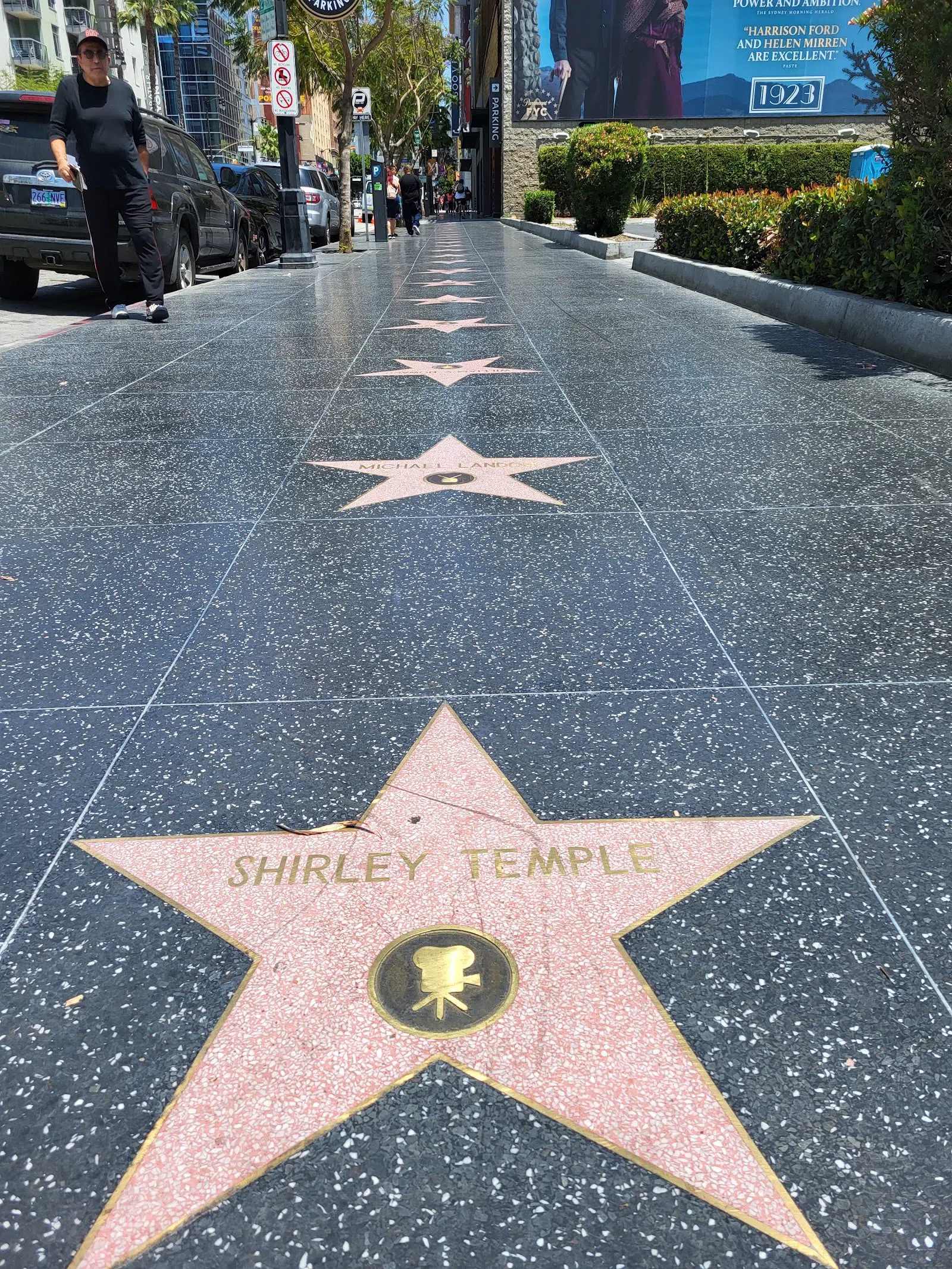
This matters for planning more than it sounds. The attraction is a sidewalk. You cannot queue for it, be turned away from it, or spend more than a few seconds on any one square. Walked end to end without stopping, both arms take well under an hour, and most visitors find that the brass itself holds their attention for about fifteen minutes. What fills a day is everything that fronts onto it. The workable itinerary treats the stars as connective tissue between a cinema forecourt, two or three interiors, a bookshop, a record shop and a proper lunch.
The Boulevard is a working commercial strip with souvenir shops, bus-tour touts and a lot of competing noise, and the crowd density between Highland and Orange Drive is unlike anything else on the route. Walk two blocks east or west of that and the pavement empties out.
Planera din resa till Los Angeles
Aktuella priser från våra bokningspartner.
Gratis avbokning på många rum. Vi kan få provision när du bokar.
The forecourt that is the real photograph
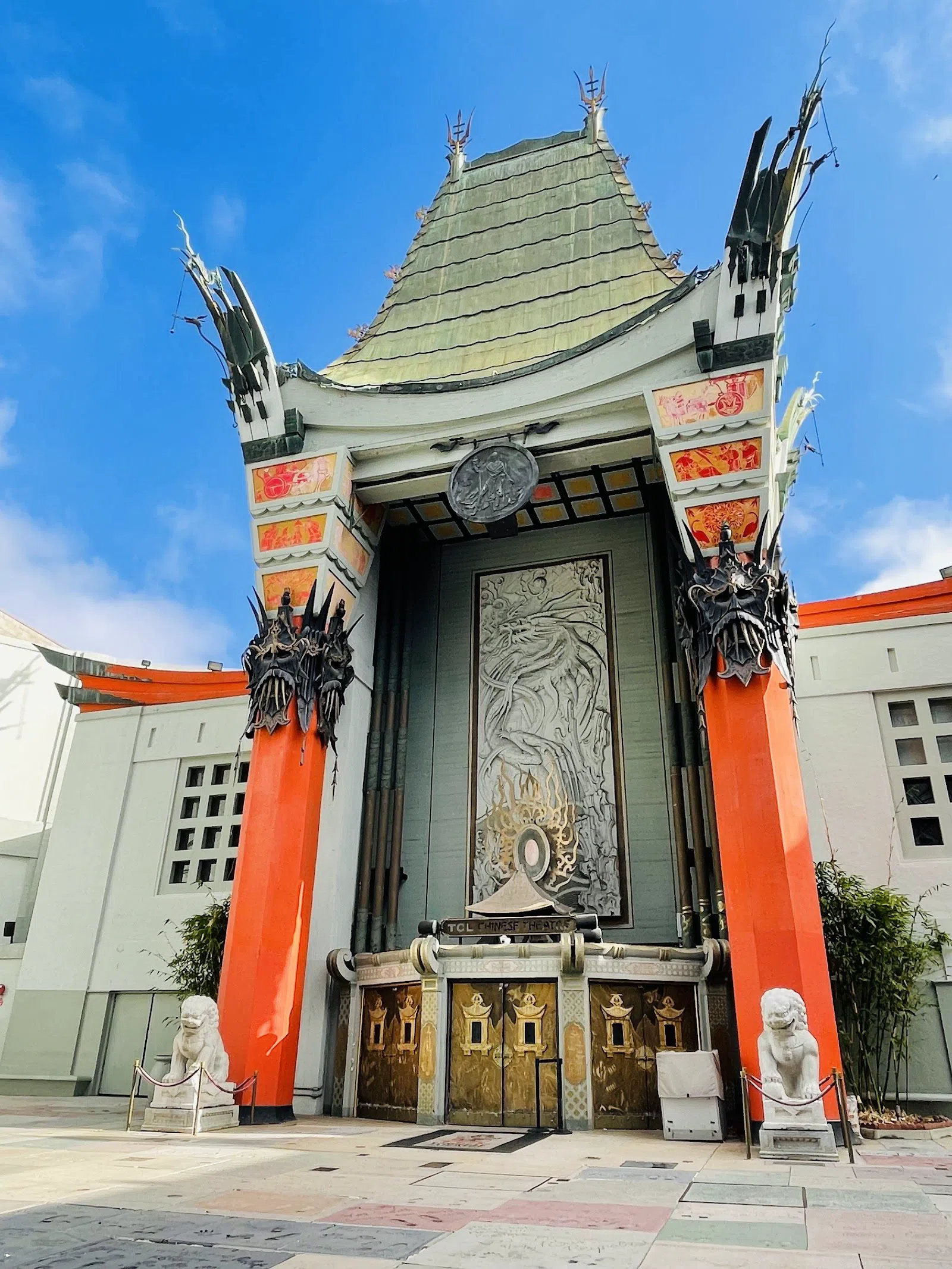
TCL Chinese Theatre (Hollywood Boulevard at Orange Drive, Hollywood) opened in 1927 and is the one stop on the Walk that justifies its reputation. The forecourt, the slabs of concrete carrying handprints, footprints and signatures, is free and open to everyone, and it is where the photograph you actually want gets taken. It is also where guided walking groups assemble, so expect bodies between about 11am and 4pm. The 30-minute guided theatre tour costs from roughly $20 adult and $15 child, runs in timed groups, and takes coach parties by arrangement; it is the only way to see inside the IMAX auditorium between screenings. Film tickets run about $20 to $28 if you would rather just watch something.
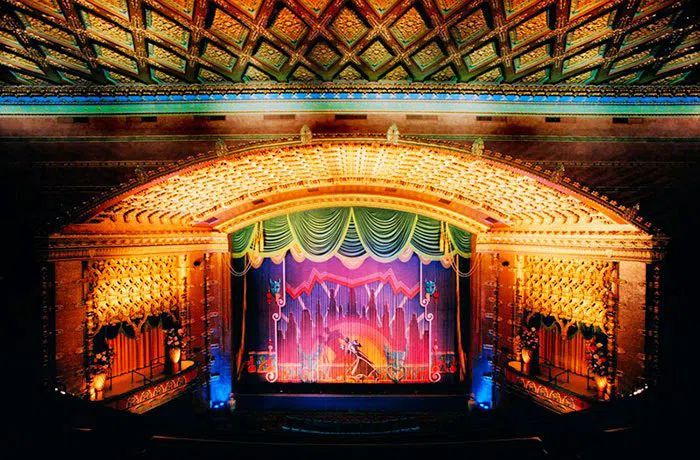
El Capitan Theatre (across the Boulevard, Hollywood) is Disney-owned and shows Disney films only, with a live organ overture before the picture. Tickets are $18 to $25 adult and $14 to $18 child or senior, with premium presentations at $25 to $40. There is no dress code, group bookings are straightforward, and if you are travelling with children it is the most reliable two hours indoors on the street.
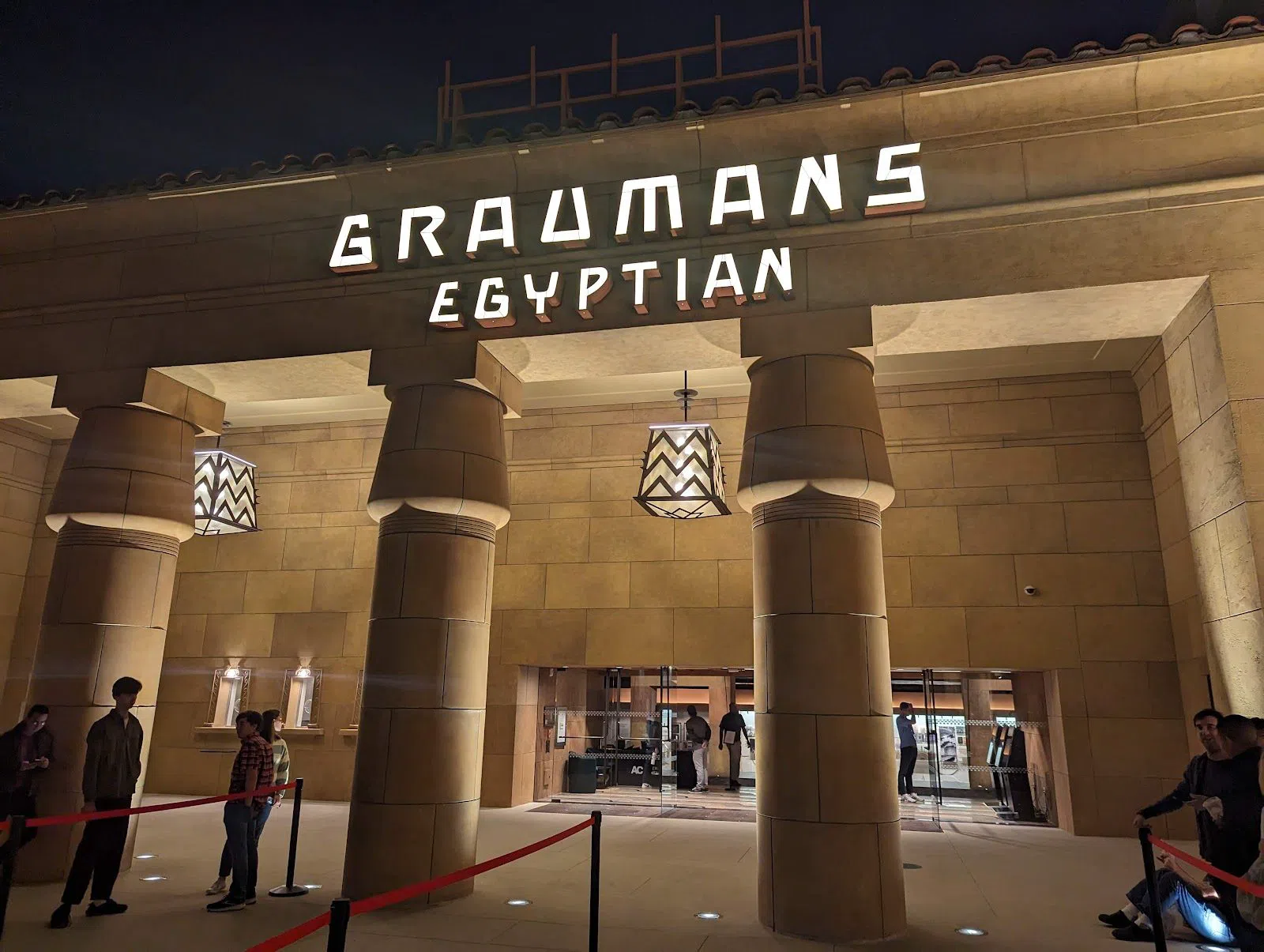
Egyptian Theatre (Hollywood Boulevard near McCadden Place, Hollywood) was restored by Netflix and reopened in November 2023. Netflix programmes it Monday to Thursday; American Cinematheque takes the weekends, which is when the 35mm, nitrate and 70mm repertory screenings happen. Seating is general admission and unreserved, so groups fit easily off-peak, but festival and nitrate programmes sell through quickly, and those are the ones worth planning around. Tickets are roughly $12 to $20.
Interiors, and what each one is for
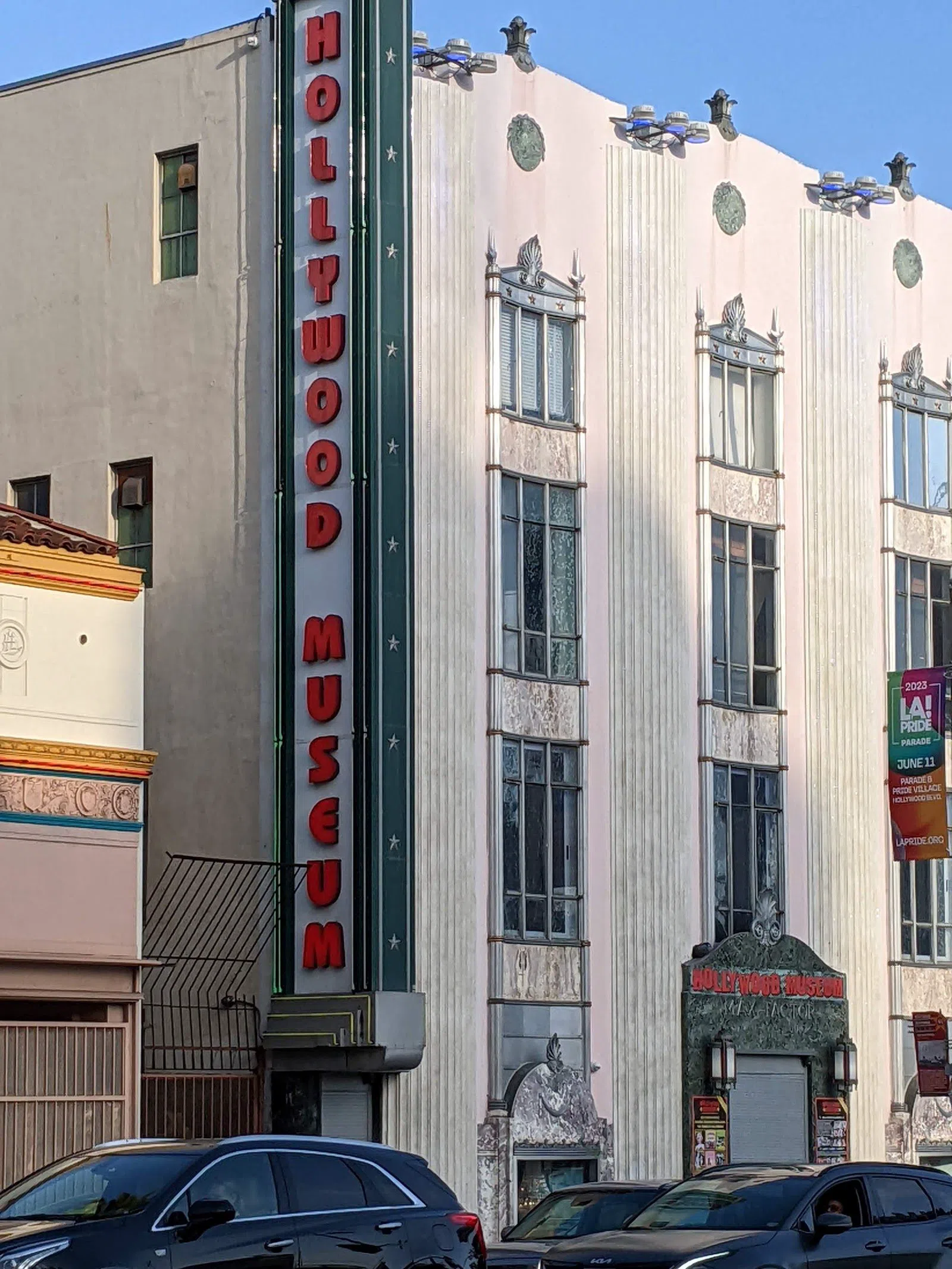
The Hollywood Museum (Hollywood Boulevard at Highland, Hollywood) occupies the old Max Factor building and is the neighbourhood's genuine museum rather than an attraction dressed as one: costumes, props, studio ephemera, four floors of it. Admission is roughly $15 to $25, it is ADA accessible, and there is validated reduced-rate parking next door. The catch is the calendar. It opens Wednesday to Sunday, 10am to 5pm only, so a Monday or Tuesday itinerary misses it entirely. No food or drink inside, and no tripods. Group visits and appointments are arranged in advance.
Madame Tussauds Hollywood (immediately beside the Chinese Theatre, Hollywood) is the wax attraction, and it knows exactly what it is. Roughly $30 to $45 adult, cheaper booked ahead, open 10am to 8pm at weekends and 11am to 6pm Monday to Thursday. It has a dedicated group and school desk and timed entry that keeps the queue moving, which makes it the obvious indoor move on a hot or wet afternoon. It is also the first thing to cut if the day runs short.

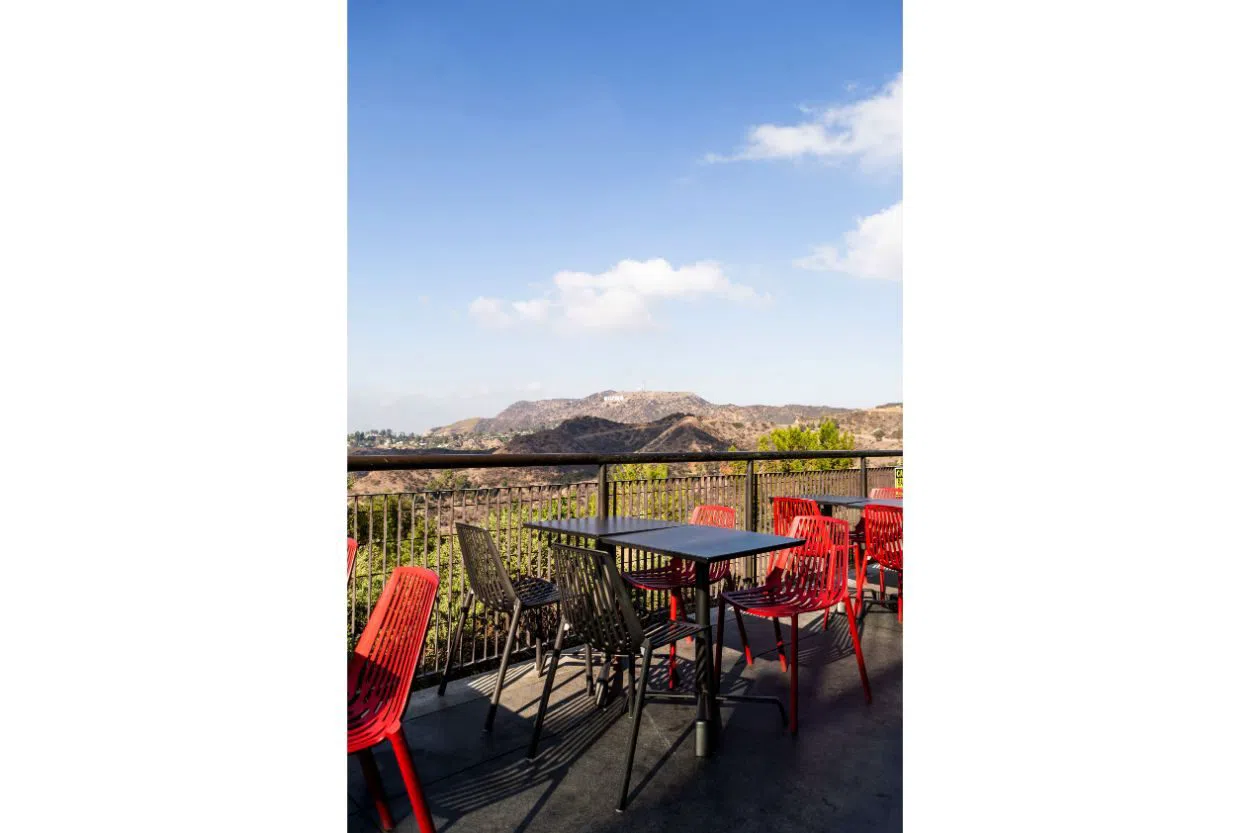
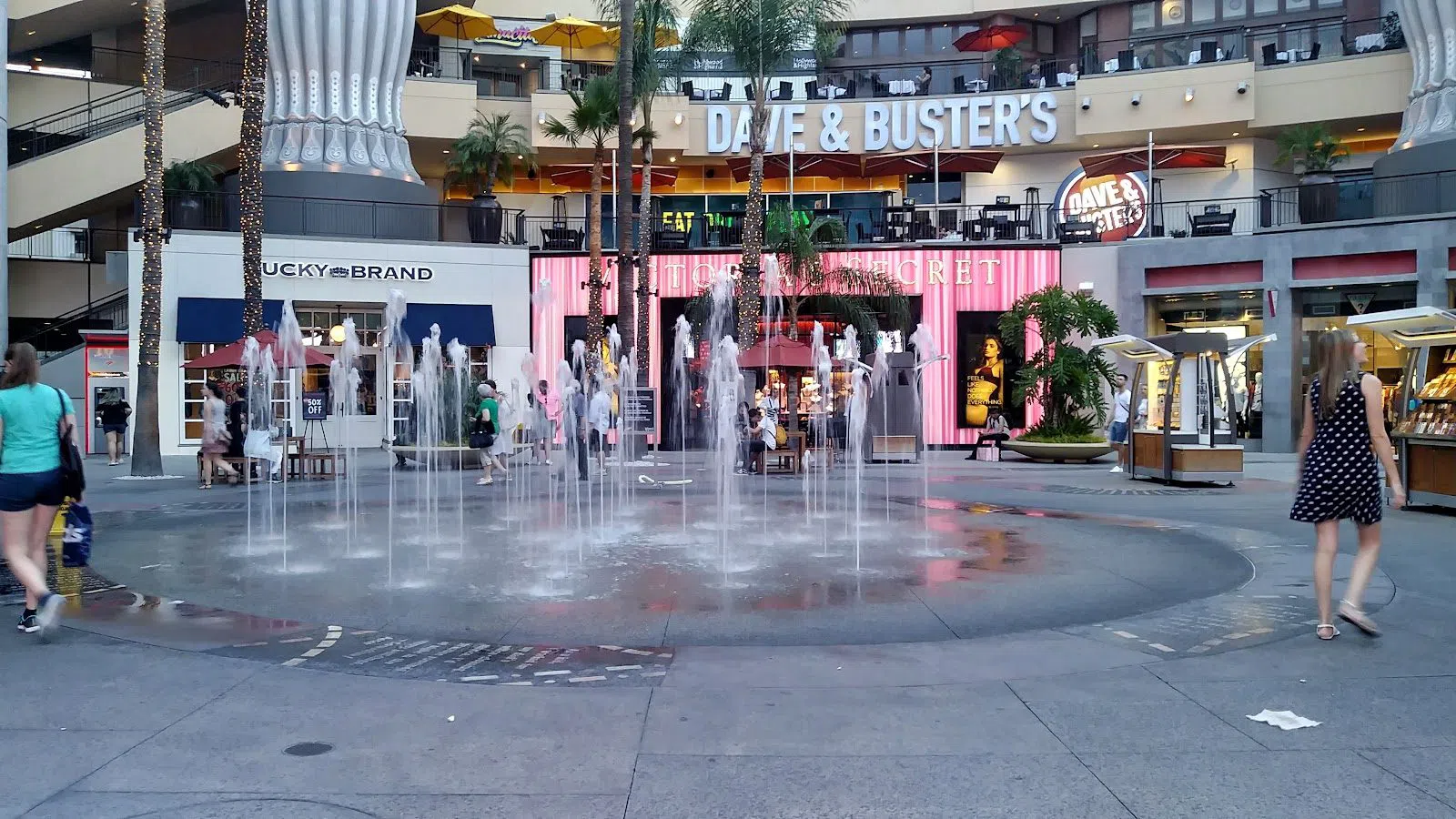
Ovation Hollywood (Hollywood and Highland, Hollywood) is the shopping and dining complex at the centre of the Walk, and worth naming correctly because it was Hollywood & Highland until recently and the street signage and mapping apps still disagree. Free to enter, open daily from roughly 7am to 11pm, no door policy, large groups fine, validated paid parking underneath. Two practical reasons to go in: the upper terraces give the cleanest free view of the Hollywood Sign anywhere in the neighbourhood, and the toilets are the ones everybody eventually needs. Food runs from a court to mid-range restaurants.
The Vine arm almost nobody walks
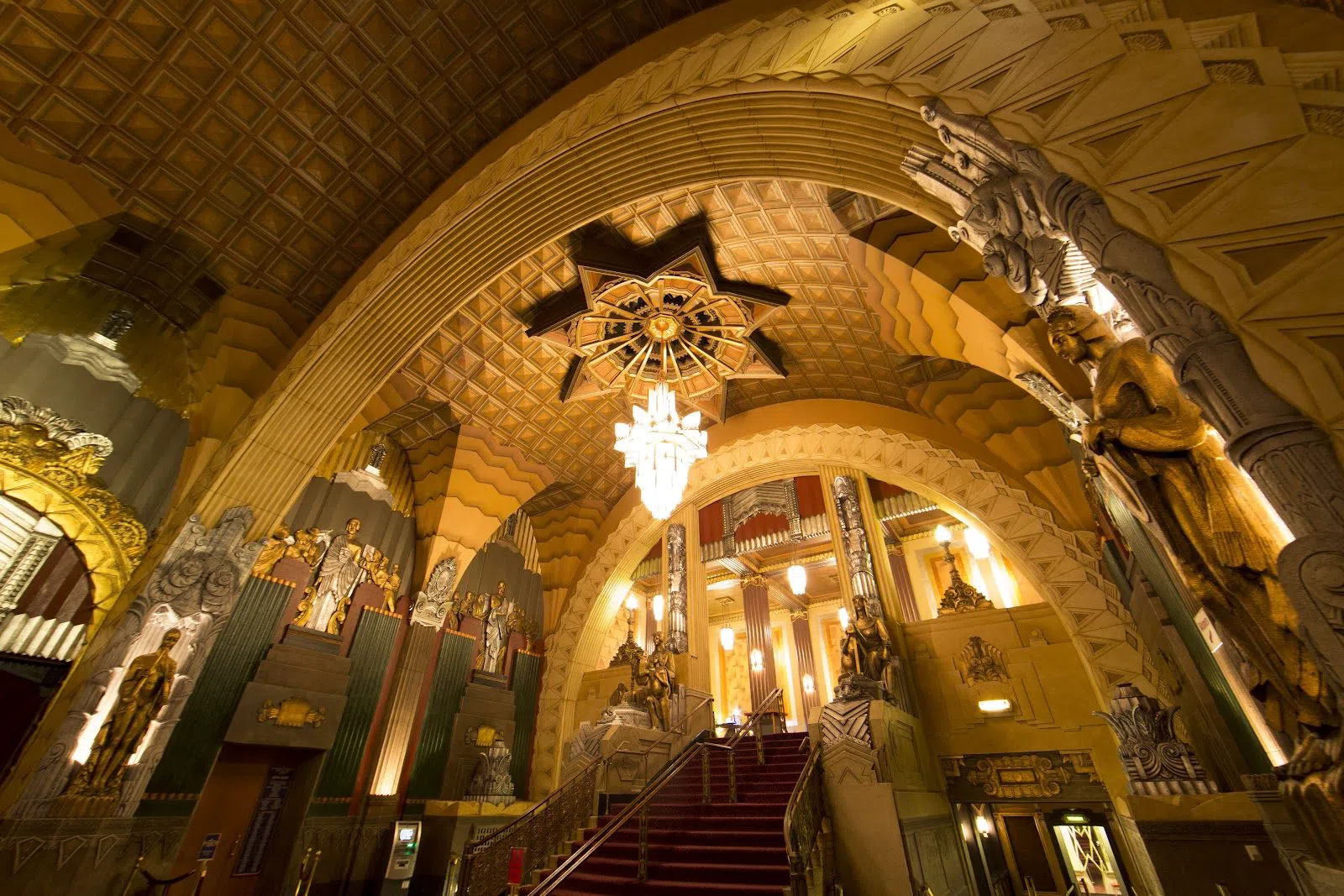
The eastern end of the Walk is quieter, and better for it. Hollywood Pantages Theatre (Hollywood and Vine, Hollywood) anchors it, a working house for the big touring musicals, with group sales available and a smart-casual crowd that nobody polices. Seats run roughly $50 to $200 and up depending on the show. The 2026-27 season takes in Water for Elephants, The Outsiders and The Who's Tommy before The Lion King and Hamilton arrive.
South of the junction, the Capitol Records Building (Vine Street, Hollywood) closes out the Vine arm. It is a working studio and office block, so there is no public tour and no interior access; it is an exterior, viewable free from the pavement at any hour, by any size of group. It earns its place on the list because the stars run out beneath it and hardly anyone walks that far, which means you get the thirteen-storey stack of discs more or less to yourself.
Eating, drinking and two shops worth the detour
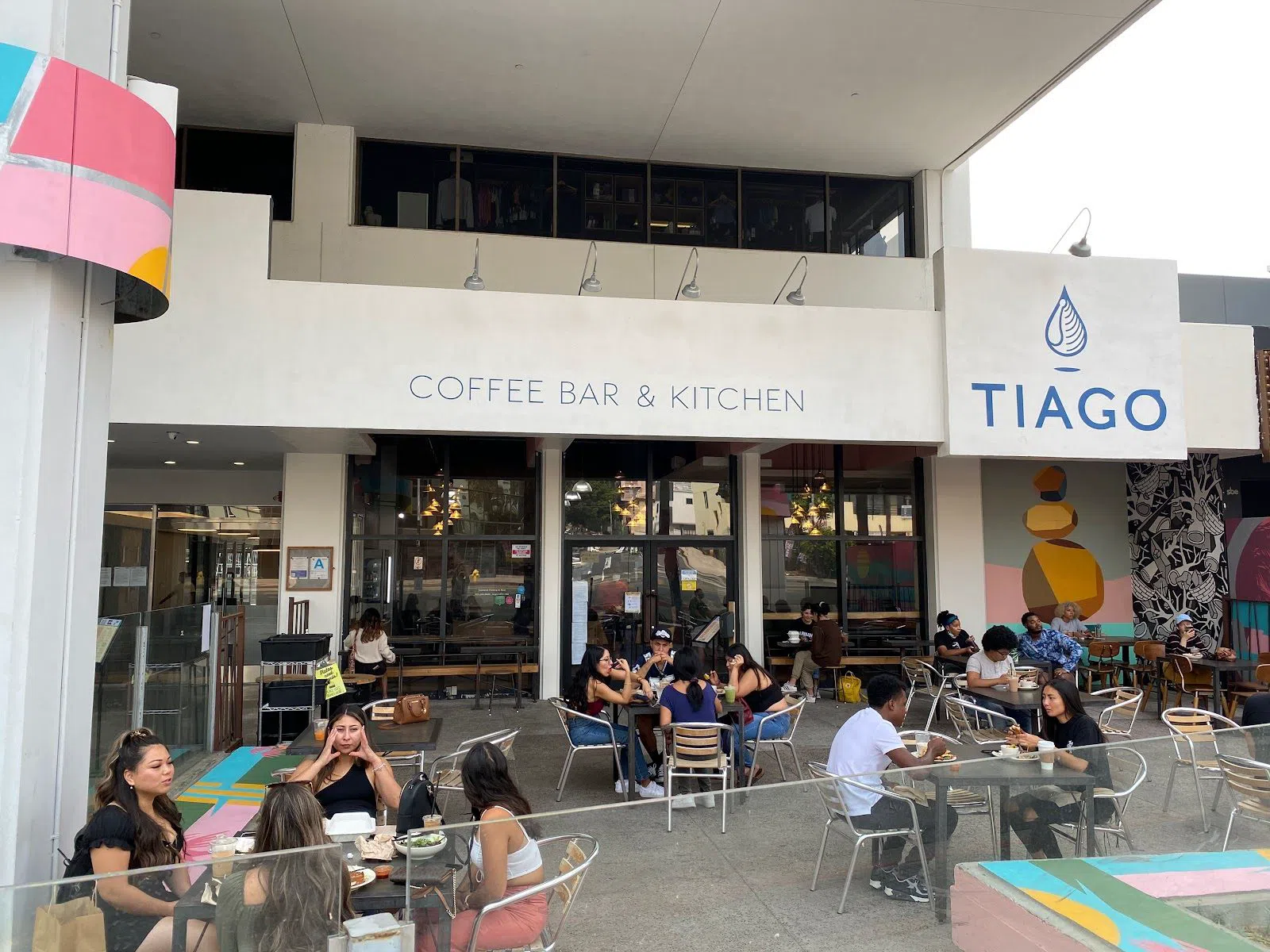
Tiago Coffee Bar + Kitchen (Hollywood Boulevard, Hollywood) opens at 7am on weekdays, which makes it the staging post for the early start that beats the crowds. Walk-in only, no reservations, $5 to $15. Small groups are fine before about 9am and uncomfortable at mid-morning peak.
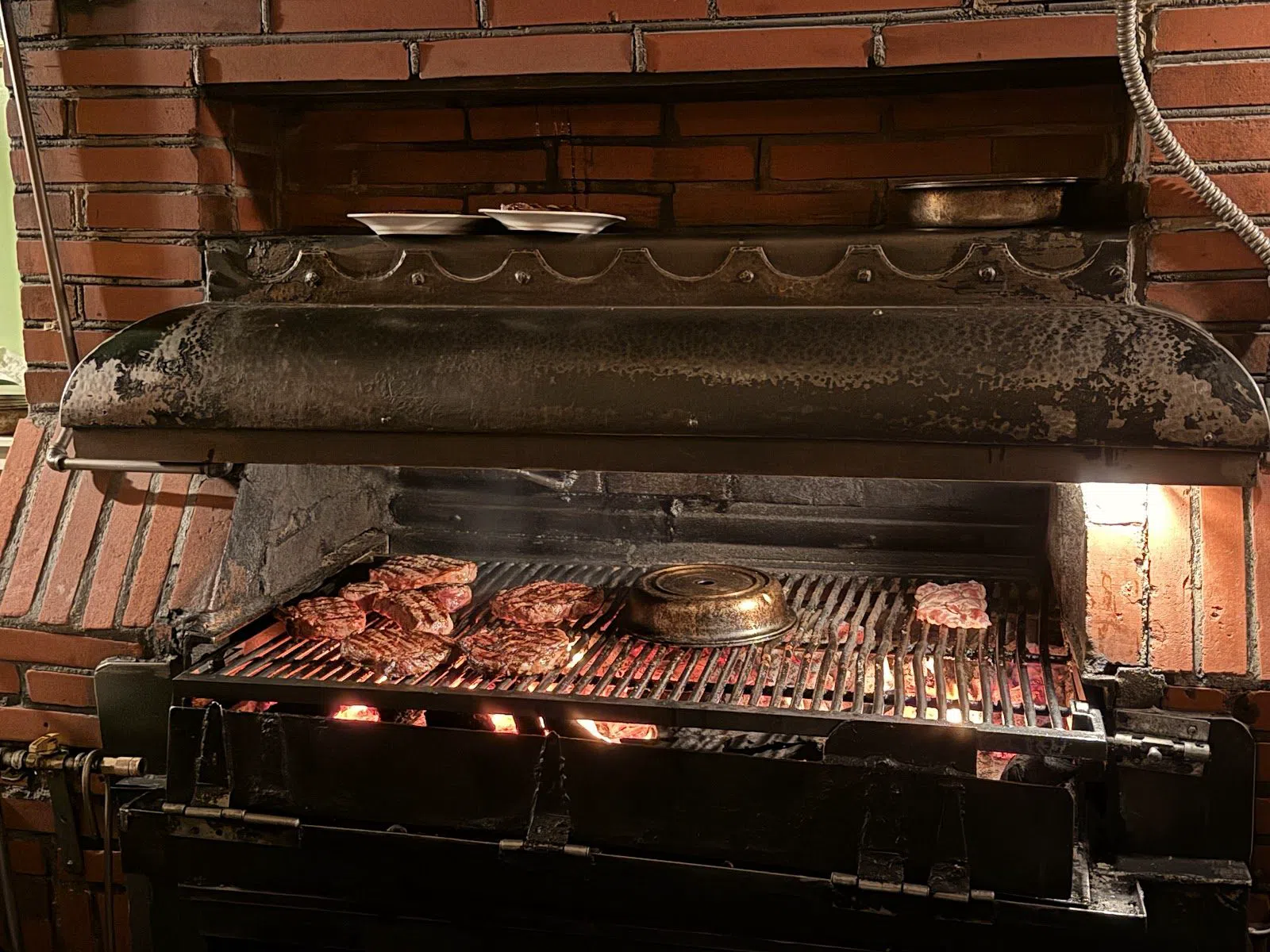
Musso & Frank Grill (Hollywood Boulevard, Hollywood) has been open since 1919 and is the one restaurant on the Boulevard that people travel for rather than refuel at. Mains are roughly $30 to $60 and cocktails $20 and up. Reservations are essential, there is a private dining room for larger parties, and a walk-in group will not get a booth. Two details catch day-trippers out: it is closed Mondays, and it is dinner-only from 5pm.
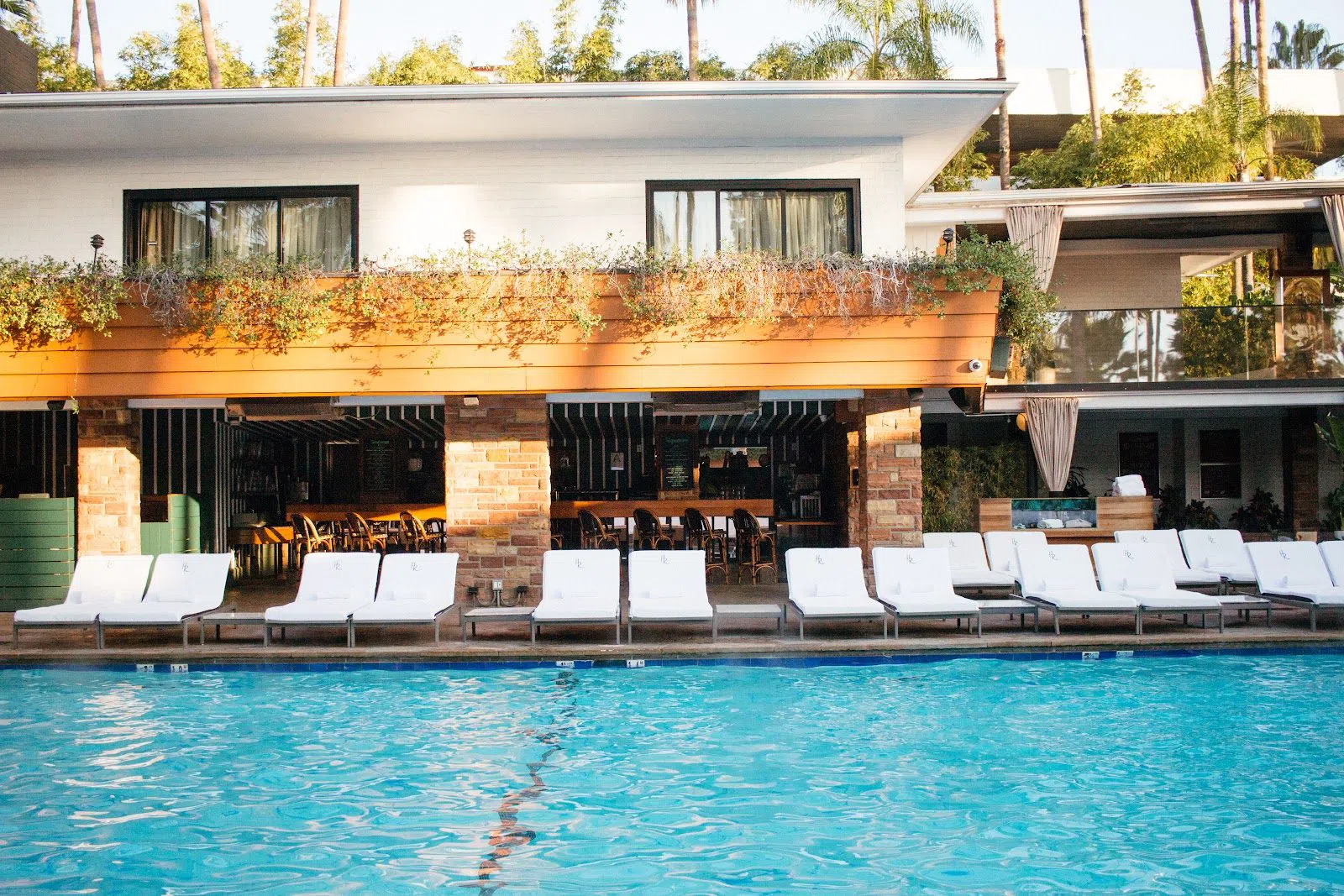
The Hollywood Roosevelt (opposite the Chinese Theatre, Hollywood) hosted the first Academy Awards in 1929 and now provides the most useful thing on the middle of the Walk, a free, air-conditioned place to sit down. The lobby is open to anyone. The Lobby Bar and the bowling-and-cocktails Spare Room take walk-ins, but seating is limited, so book ahead for a group; the pool is guest-only. Cocktails are roughly $20 to $25, rooms $300 and up.
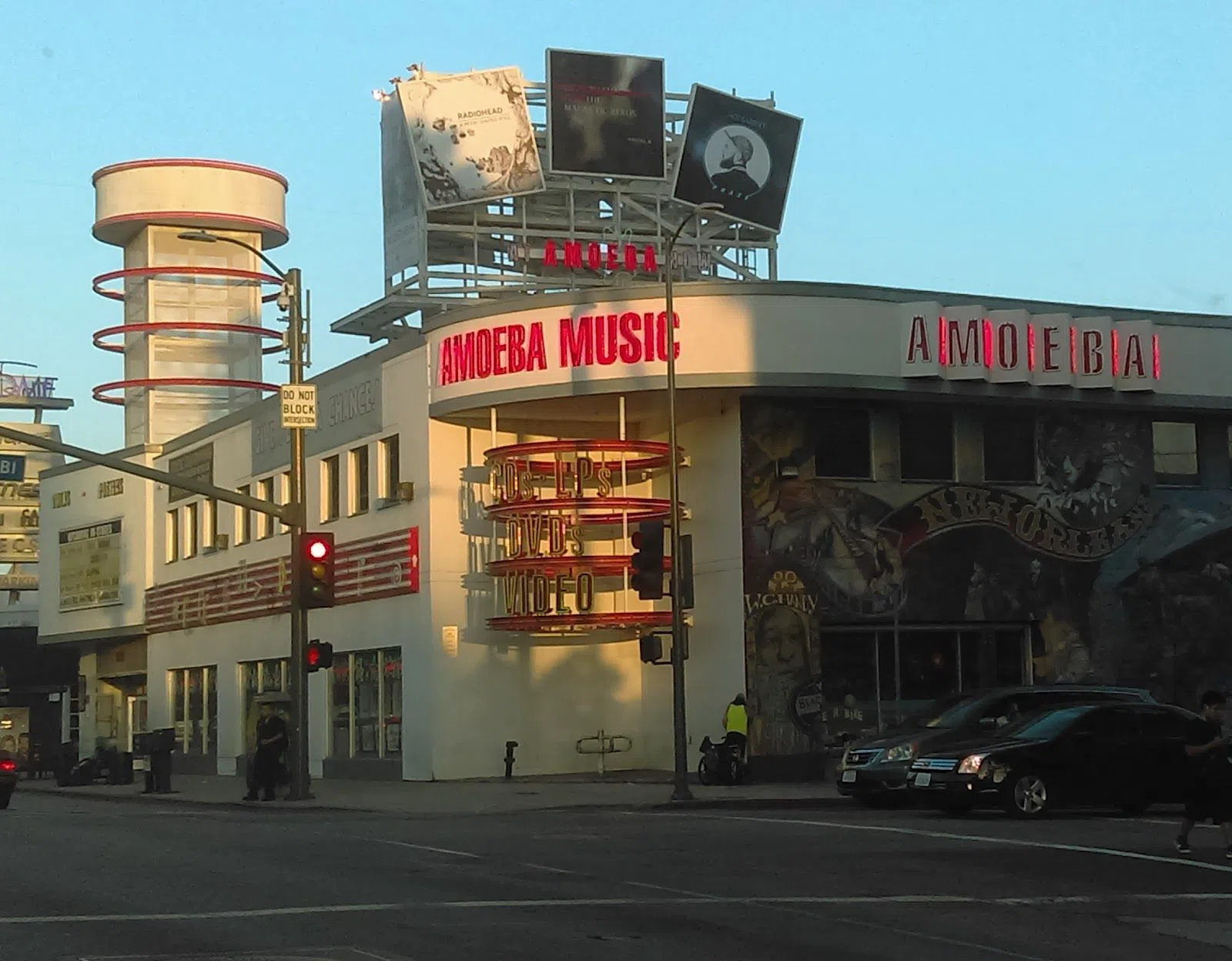
Amoeba Music (6200 Hollywood Boulevard, Hollywood) moved here from Sunset and is the one shop on the Walk that local people use. Free to browse, open 11am to 8pm and until 9pm Friday to Sunday, with the trade counter closing at 7pm. Vinyl runs roughly $15 to $40 and the free in-store gigs are regular. It is large enough to absorb a coach party without strain.
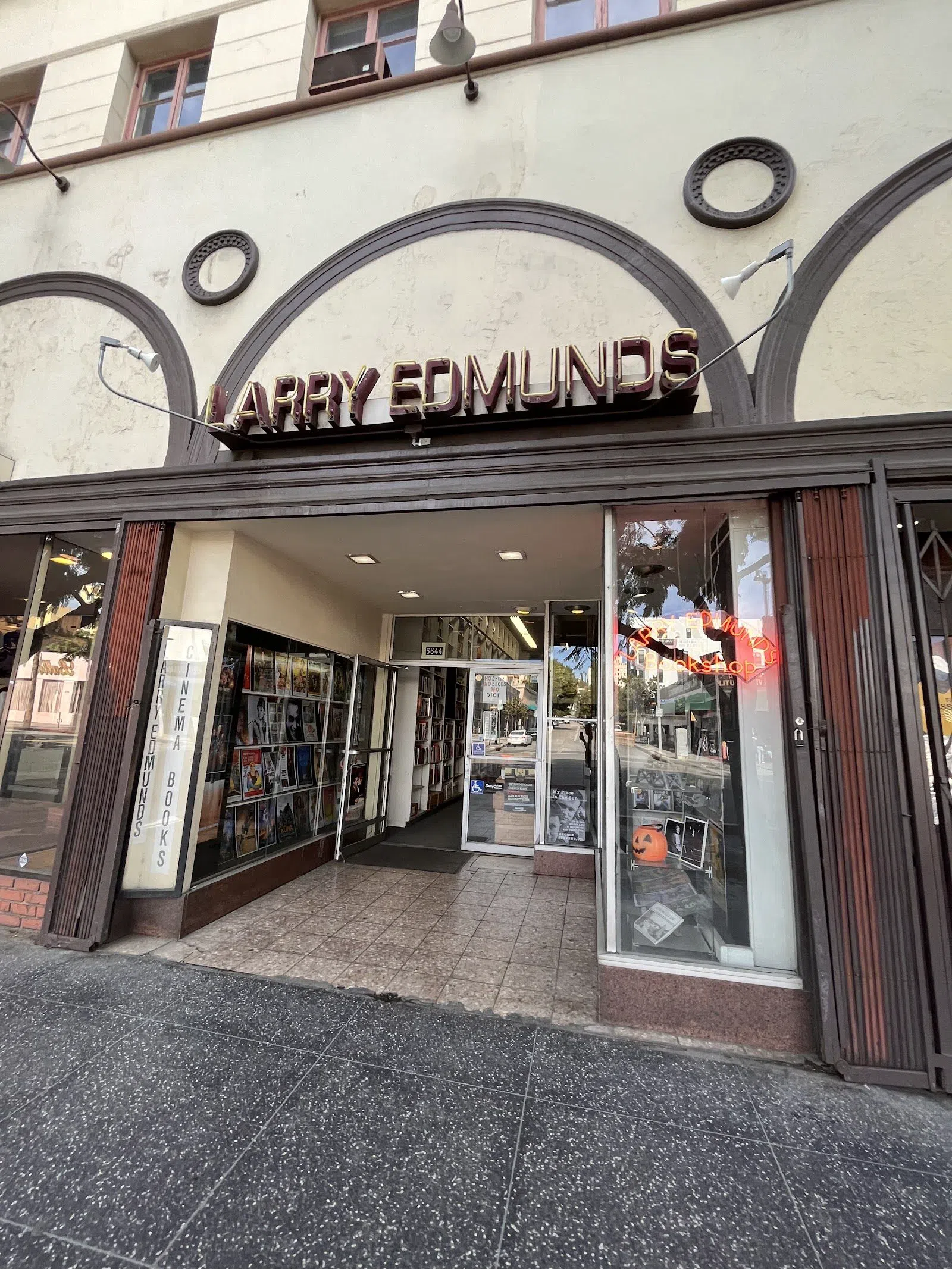
Larry Edmunds Bookshop (Hollywood Boulevard, Hollywood) has been selling film books since 1938 and holds around 20,000 of them, plus 6,000 original posters and half a million photographs. Open Monday to Saturday 11am to 6pm and Sunday noon to 6pm, free to browse, with books and posters from about $10 to $50 and well beyond. It is physically tiny, so send a group in a few at a time. Ten minutes here tells you more about the industry than an hour of brass.
Door tickets, and when booking ahead earns its keep
The Walk costs nothing and cannot be booked, so the only tickets in play are for the interiors. For most of them, walking up is fine. The Chinese Theatre tour runs in timed groups, Madame Tussauds smooths its queue with timed entry and is cheaper if you buy in advance, and the Egyptian sells general admission at the door. The exceptions are specific: a festival or nitrate screening at the Egyptian goes quickly, Musso & Frank genuinely needs a reservation, and a Pantages seat for a popular run should be bought well before you fly.
A guided full-day option exists if you would rather hand over the driving and see a wider slice of the city around the Boulevard. There are 17,484 traveller reviews across the bookable tours here, with the top one rated 4.9/5 from 6,707 reviews, and they run seven days a week. Prices start from 99 USD per person. That is the honest trade: you pay for a vehicle, a route and a guide, and you give up the slow pass through the bookshop.
Access, rules and the things that trip people up
The pavement itself is level, unbroken and fully accessible, with kerb cuts at every junction; the brass can be slick after rain. The Hollywood Museum is ADA accessible and bans food, drink and tripods. Most venues here are relaxed about dress. El Capitan has no code, the Pantages is smart-casual and unenforced, and nothing on the Boulevard will turn you away for shorts. The real constraints are opening days rather than door policies, and three of them land on the same day of the week.
Costumed characters work the forecourt and expect a tip if you photograph them; agree it before the picture, not after. And nowhere on the Walk is a left-luggage facility, so if you are arriving between hotels, sort that first.
Is it worth it
As a destination in itself, no. The stars are a sidewalk and a fifteen-minute curiosity, and anyone who flies in for the brass alone leaves disappointed. As a day, yes, and a good one, because within four blocks you have a 1927 cinema forecourt, a repertory house running nitrate prints, a 1938 film bookshop, a record shop locals use, a 1919 grill and the hotel that held the first Academy Awards. It suits film people completely, families well if you build around El Capitan and the wax, and couples best in the evening when the tour groups have gone. It suits a traveller with four hours and no plan least of all.
Best time to go
Start at 7am. Coffee at Tiago, then the Chinese Theatre forecourt while it is still photographable; by late morning the crowd between Highland and Orange Drive is three deep. Walk the Vine arm next, while the western end fills up, then take the interiors through the hot middle of the day and come back out when the light goes long.
Choose the day carefully. Monday is the bad one: the Hollywood Museum is shut, Musso & Frank is shut, Griffith Observatory is shut and Madame Tussauds keeps its short hours. Wednesday to Sunday gets you the museum. Friday to Sunday gets you the Cinematheque's 35mm, nitrate and 70mm weekend at the Egyptian, which is the strongest single reason to pick those days. Summer afternoons on the Boulevard are hot and almost entirely unshaded, so an August visit needs the indoor stops scheduled, not improvised.
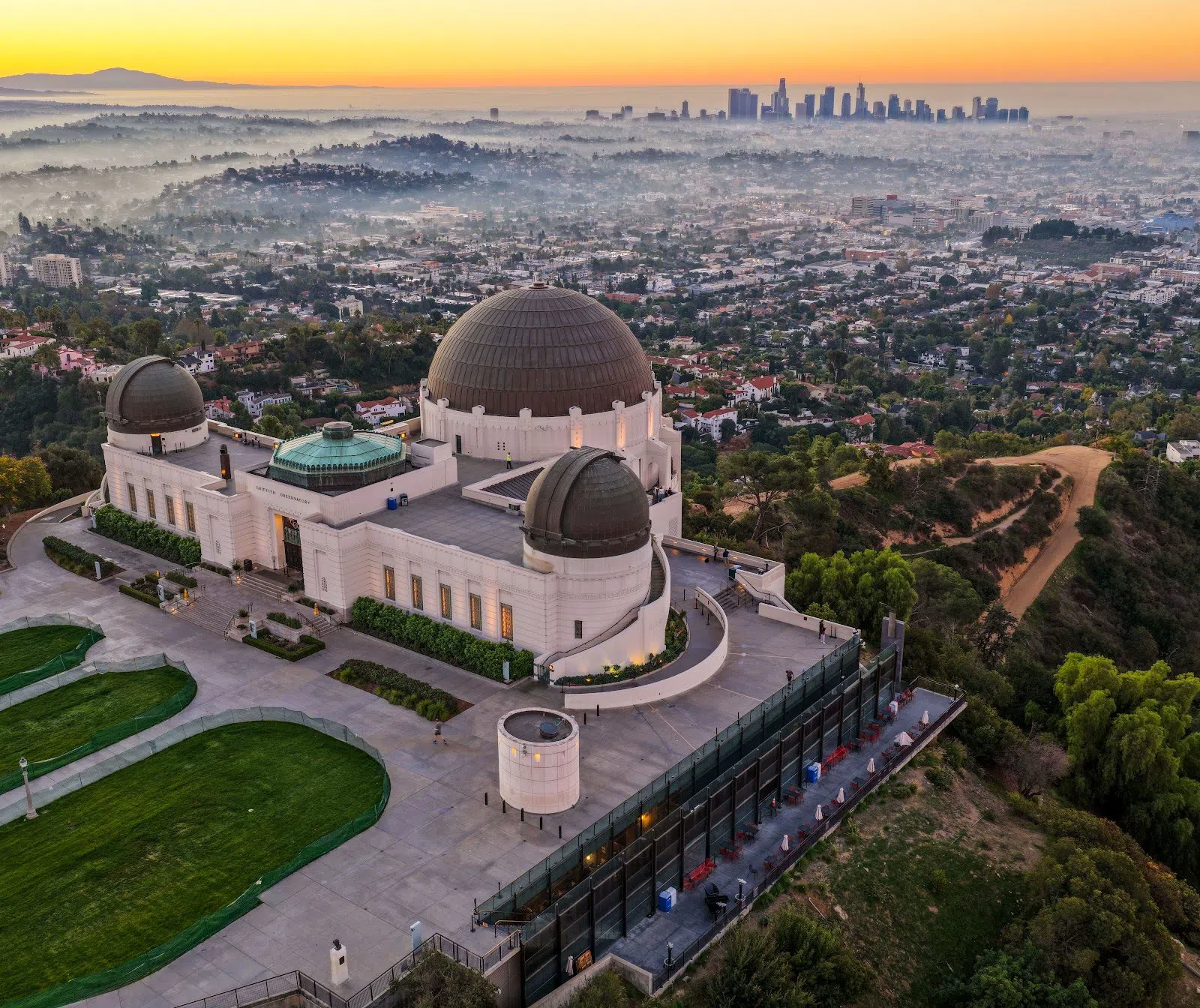
Finish uphill. Griffith Observatory (Griffith Park, above Los Feliz) is free, open until 10pm Tuesday to Sunday, and gives the proper Hollywood Sign view that the Walk of Fame cannot. The planetarium show is about $10. Hilltop parking is paid, limited and restricted for coaches, so public transport is strongly advised. Arrive an hour before sunset and stay for the city lights.
Practical notes
Transport. The Metro B Line puts you on the Walk directly: Hollywood/Highland station surfaces inside Ovation Hollywood at the western end, Hollywood/Vine at the eastern. That makes the whole route a one-stop train ride between its two anchors, which is useful at the end of a long day on foot. Everything in this guide sits within the 1.7 miles of pavement, so the day needs no vehicle at all until the Observatory, which is best reached by bus or a short rideshare rather than by driving to a full car park. If you do drive, the validated paid parking under Ovation Hollywood is the practical central option, with reduced-rate validated parking next to the Hollywood Museum.
Cash. Cards work everywhere, including the small shops. Carry about $20 in small notes for the costumed performers and the street musicians, who do not take cards.
Timing. Half a day covers the central stretch properly; a full day adds the Vine arm, a cinema and the Observatory finish. The brass itself needs fifteen minutes.
Budget. A free day is entirely possible: the stars, both forecourts, the Capitol exterior, Ovation's terraces, the Roosevelt lobby, both shops and the Observatory cost nothing. A mid-range day with one cinema, one museum and a sit-down lunch lands around $60 to $90 a head. Dinner at Musso & Frank with drinks pushes past $100. For somewhere to sleep within walking distance of the brass, start with the Los Angeles hotel search, and for the rest of the city beyond the Boulevard see the Los Angeles guide.
Innan du åker
Is the Hollywood Walk of Fame free, and do I need a ticket?
It costs nothing and there is nothing to book. The sidewalk is public, with no gate and no closing time, so a group of any size can walk the whole 1.3 miles of Hollywood Boulevard and the 0.4-mile Vine Street arm at any hour. You pay only at the venues along it.
How long do I need on the Walk of Fame?
The brass itself holds most people for about fifteen minutes, and walking both arms without stopping takes well under an hour. Half a day covers the central stretch between Highland and Vine properly; a full day adds the quieter Vine arm, one cinema or museum, and a Griffith Observatory finish.
What is the best time of day to go?
Early. Tiago Coffee Bar opens at 7am on weekdays, and you can photograph the Chinese Theatre forecourt before the guided groups arrive. By late morning the crowd between Highland and Orange Drive is three deep, so keep the indoor stops for the hot middle of the day.
Which day should I avoid?
Monday. The Hollywood Museum, Musso & Frank Grill and Griffith Observatory are all closed, and Madame Tussauds runs its shorter 11am to 6pm hours. The museum opens Wednesday to Sunday; the Egyptian Theatre's 35mm, nitrate and 70mm repertory weekend runs Friday to Sunday.
Should I walk it myself or take a guided full-day tour?
Walking costs nothing and leaves time to linger in the bookshop and the record shop. If you would rather not drive, and want more of the city in the day, guided full-day tours run seven days a week from 99 USD per person and carry 17,484 traveller reviews between them.