The Los Angeles issue
Planning a First Los Angeles Trip Around the Traffic
Group the days by area, ride the lines that already go where you are going, and most of a first trip to Los Angeles works without a car.
By Tobias LindqvistThe city on foot and by Metro
Los Angeles is a basin holding a lot of separate cities, and the hours a first visit loses are rarely spent inside the places it came for. They go on the 101 at four in the afternoon, or circling Los Feliz for a parking space that was taken twenty minutes earlier. The fix is a decision made before you book anything: each day belongs to one part of the basin, and once you arrive the car stays where you left it.
One part of the basin a day
For a first trip the map divides cleanly enough. There is Downtown and its hill; the Fairfax district and Museum Row; Griffith Park, with the studio lots over the ridge in Burbank; the Westside and the coast; and further east, the gardens and Old Pasadena. Chain two of those zones in one day and you will spend somewhere between forty and ninety minutes in transit, twice, at the times everyone else is also moving.
Rush hour here is wider than visitors expect: roughly 7am to 10am heading in, 3pm to 7pm heading out, and the Friday afternoon version starts closer to two. If you have to cross the basin, cross it between 10am and 3pm, or after 8pm. Better still, build the day so you only cross once: arrive in a zone, park or step off a train, and walk.
Where you sleep does more work than any other decision. A room within a ten-minute walk of a Metro station or a DASH route converts three or four driving days into walking ones, so it is worth filtering for when you run a Los Angeles hotel search rather than chasing a headline rate in a district with nothing around it.
Plan your Los Angeles trip
Live prices from our booking partners.
Free cancellation on many rooms. We may earn a commission when you book.
Downtown works as a walking day
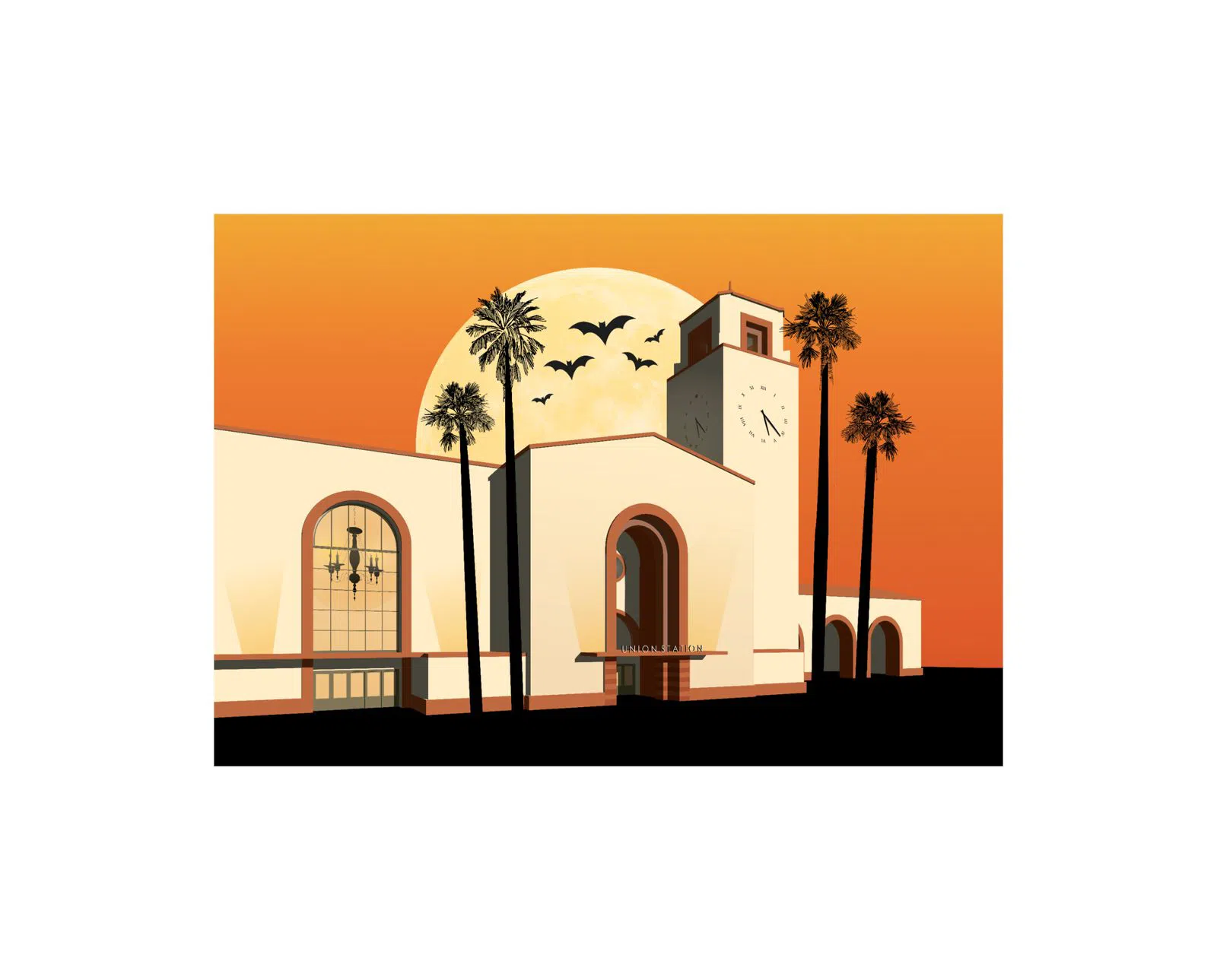
Start at Union Station (Downtown), which opened in 1939 and still does the job it was built for. The B and D subway lines, the A and E light-rail lines, Amtrak, the FlyAway airport buses and the Dodger Stadium Express all meet under one roof, and the building is free to walk through at any hour. Metro retired its one-day passes in favour of fare capping: single rides are $1.75 on a TAP card, and you stop paying after $5 of stored value in a day. Traxx and its bar take bookings if you want a sit-down meal with a group.
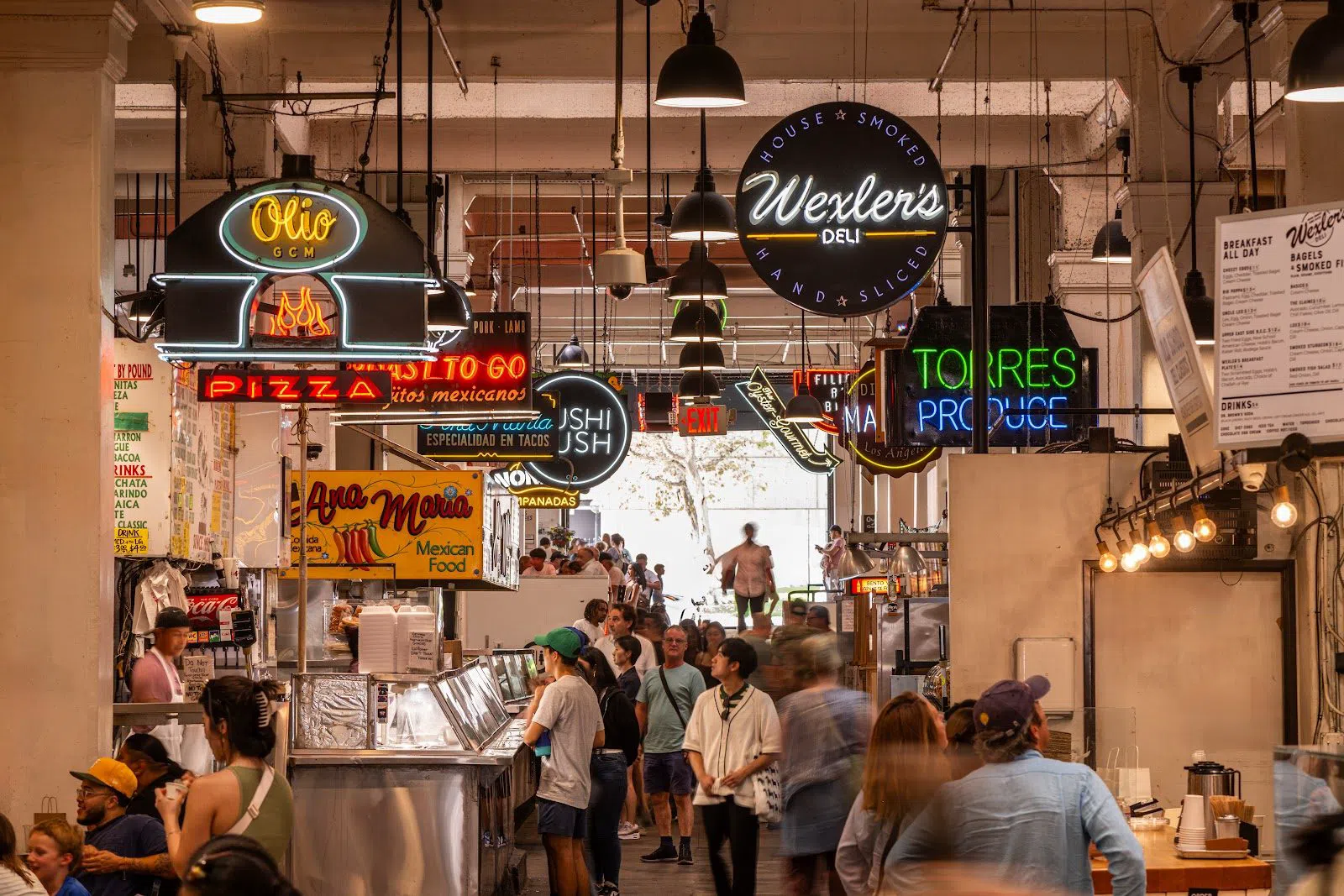
A short ride west is Grand Central Market (Downtown), open daily 8am to 9pm with more than forty stalls: decades-old taquerias, a Chinese counter trading since 1959, Eggslut, Wexler's Deli. Plates run roughly $10 to $25. There are no bookings and no door; a group orders separately and regroups at the communal tables, which is why six people with six different appetites can eat here without any negotiation beforehand. Go at midday, when the widest range of stalls is actually serving.
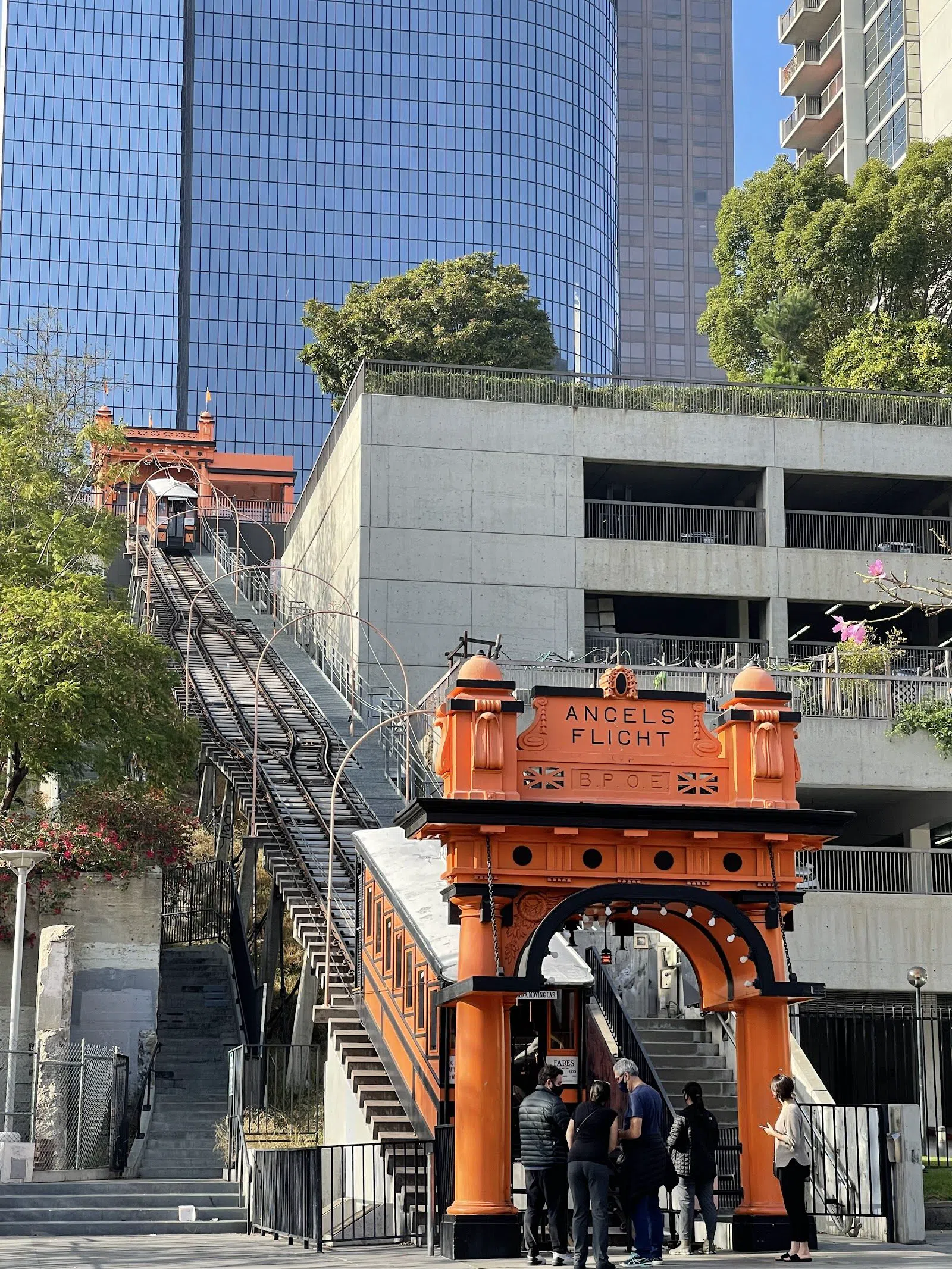
Directly opposite sits the lower station of Angels Flight Railway (Bunker Hill), $1.50 one way, 75c with a TAP card, $3 for a souvenir round trip, running 6:45am to 10pm. The climb takes under a minute. As a ride it is trivial; as a link it is the reason lunch and the hill are one flat itinerary rather than a staircase or, worse, a second parking decision.
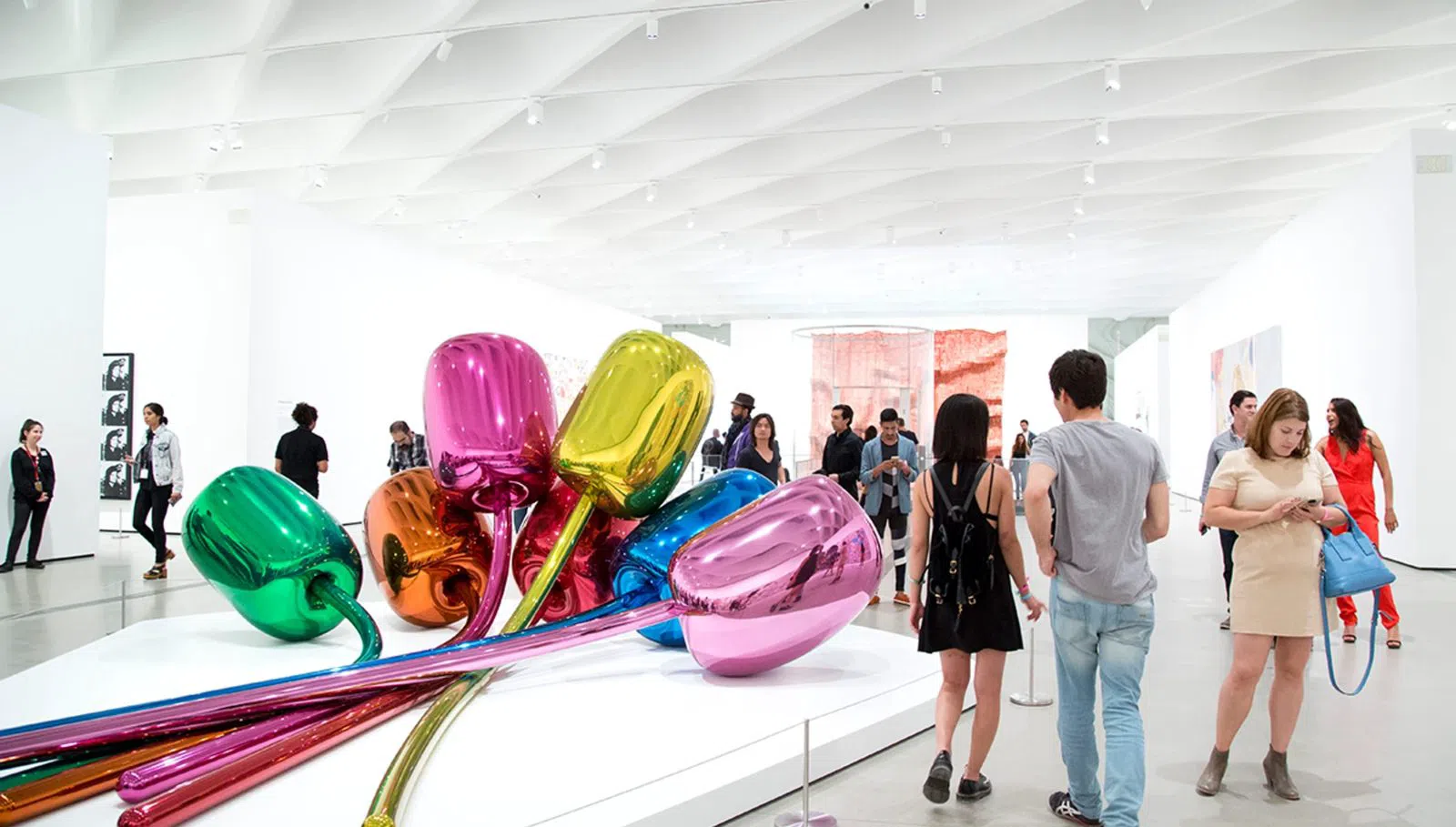
At the top, The Broad (Grand Avenue) is free but timed, and the tickets are per person, so book the whole party into a single slot early. Slots go months ahead. Walk-up standby runs daily, around 30 to 45 minutes midweek and 60 to 90 at weekends, which is fine for two people and awkward for six. It closes Mondays; Tuesday, Wednesday and Friday 11 to 5, Thursday 11 to 8, weekends 10 to 6. Walt Disney Concert Hall, MOCA and the upper Angels Flight station are all within five minutes on foot. If you do drive, the on-site garage is $19 for three hours with validation and $29 for the day: one payment for the whole day, with no need to move the car.
Museum Row since the subway arrived
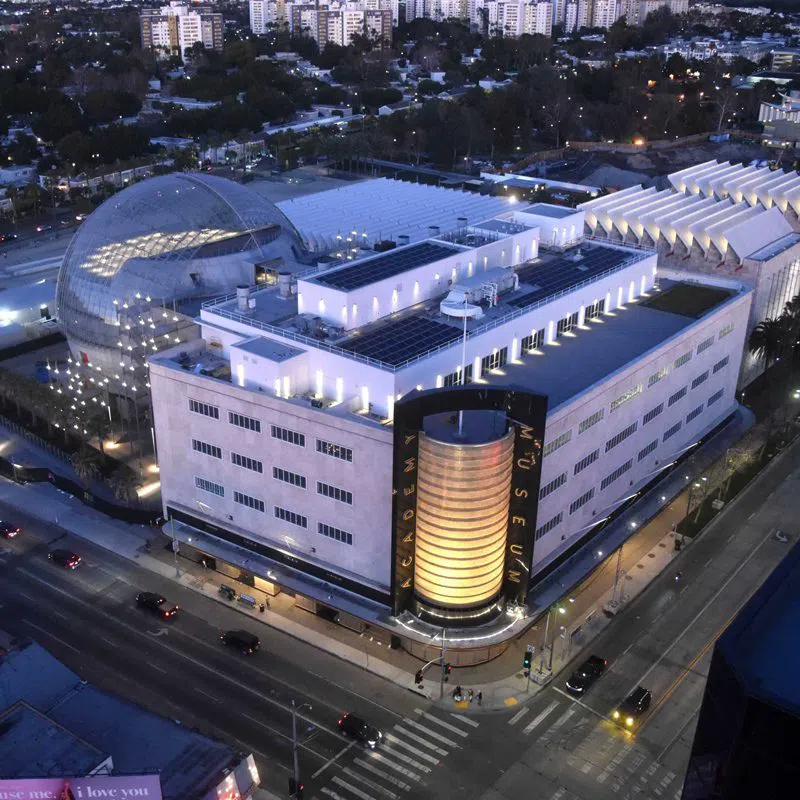
The D Line extension opened in May 2026 and changed how the Miracle Mile is reached. The Wilshire/Fairfax station sits directly across the street from the Academy Museum of Motion Pictures (Miracle Mile), which removes the two things that used to eat the afternoon here: the Wilshire crawl and the search for a space. Admission is $25 for adults, $19 seniors, $15 students, free for under-18s, on timed tickets per person. It opens Wednesday to Monday, 10 to 6, closed Tuesdays. Screenings in the Ted Mann and David Geffen theatres are ticketed separately, so decide in advance whether you are seeing a film or seeing the collection.
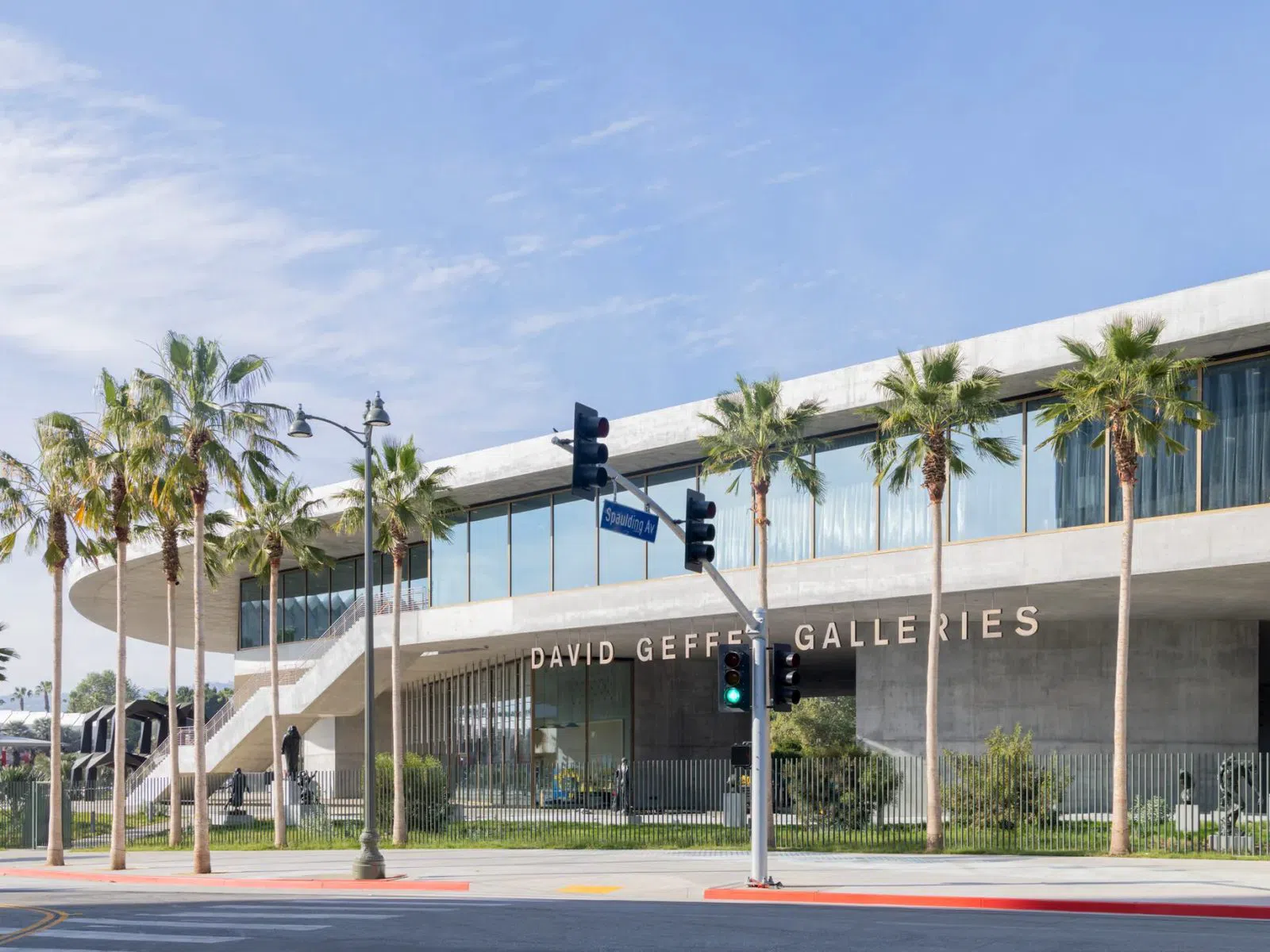
One block away, Los Angeles County Museum of Art (Miracle Mile) runs paid timed entry and walk-up slots do sell out, so a group should book. It closes Wednesdays; Monday, Tuesday and Thursday 11 to 6, Friday 11 to 8, weekends 10 to 7. The David Geffen Galleries opened to the public on 4 May 2026. Urban Light, the lamppost field on the plaza, is open ground and free to gather at, which makes it a sensible meeting point if your party is arriving in pieces. Note that the closing days do not match: the Academy Museum shuts Tuesdays and LACMA shuts Wednesdays, so the pair only overlaps on Mondays, Thursdays, Fridays and the weekend.
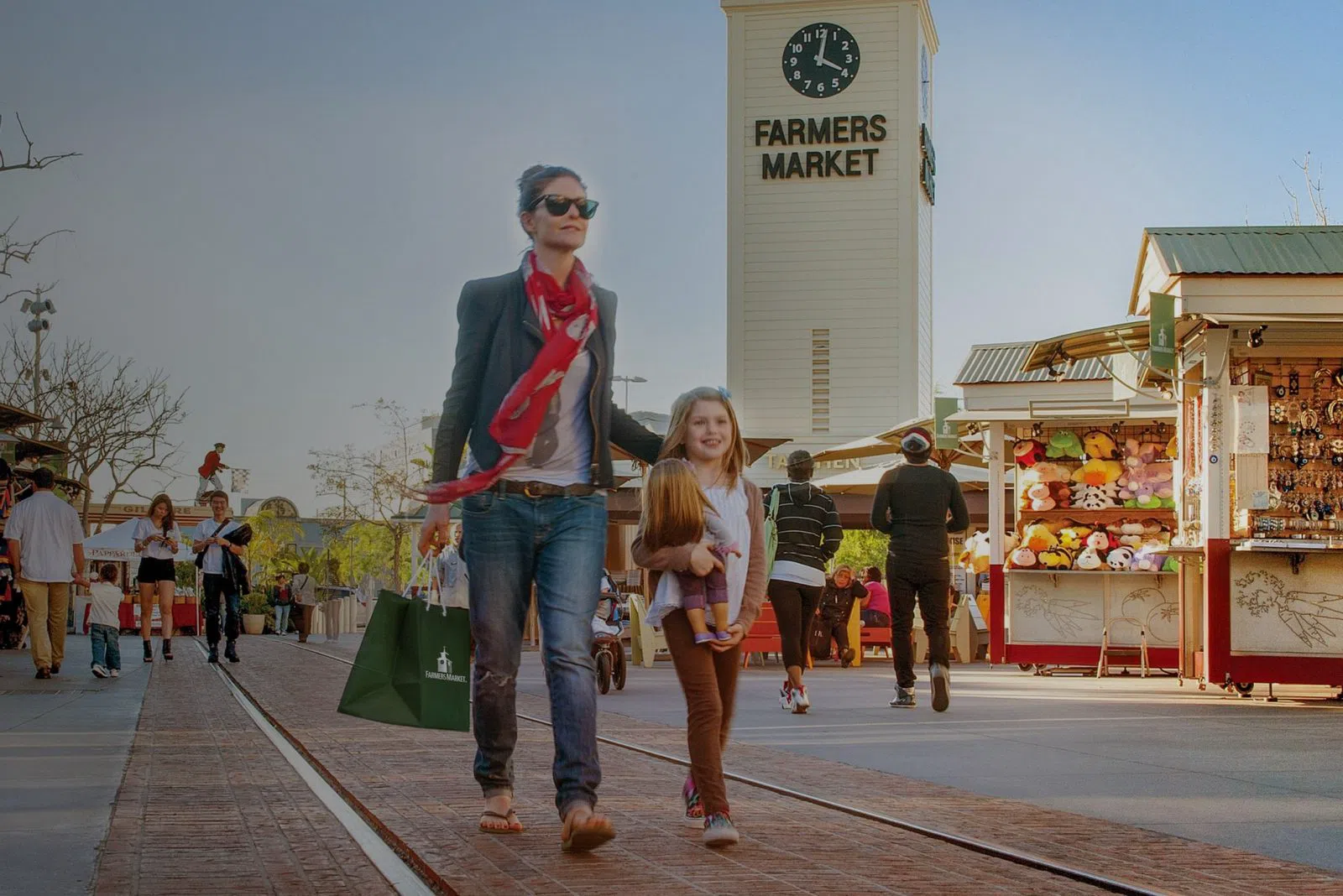
Ten minutes north on foot is The Original Farmers Market (Fairfax), trading since 1934, with no bookings and no door. Counter meals run roughly $10 to $20, and the picnic tables are in the open air. It runs Monday to Friday 9am to 9pm, Saturday 9 to 8, Sunday 10 to 7, and a short electric trolley connects it to The Grove next door. Two museums and a market on one walk means the Fairfax day needs exactly one parking decision, if any.
Griffith Park in the evening
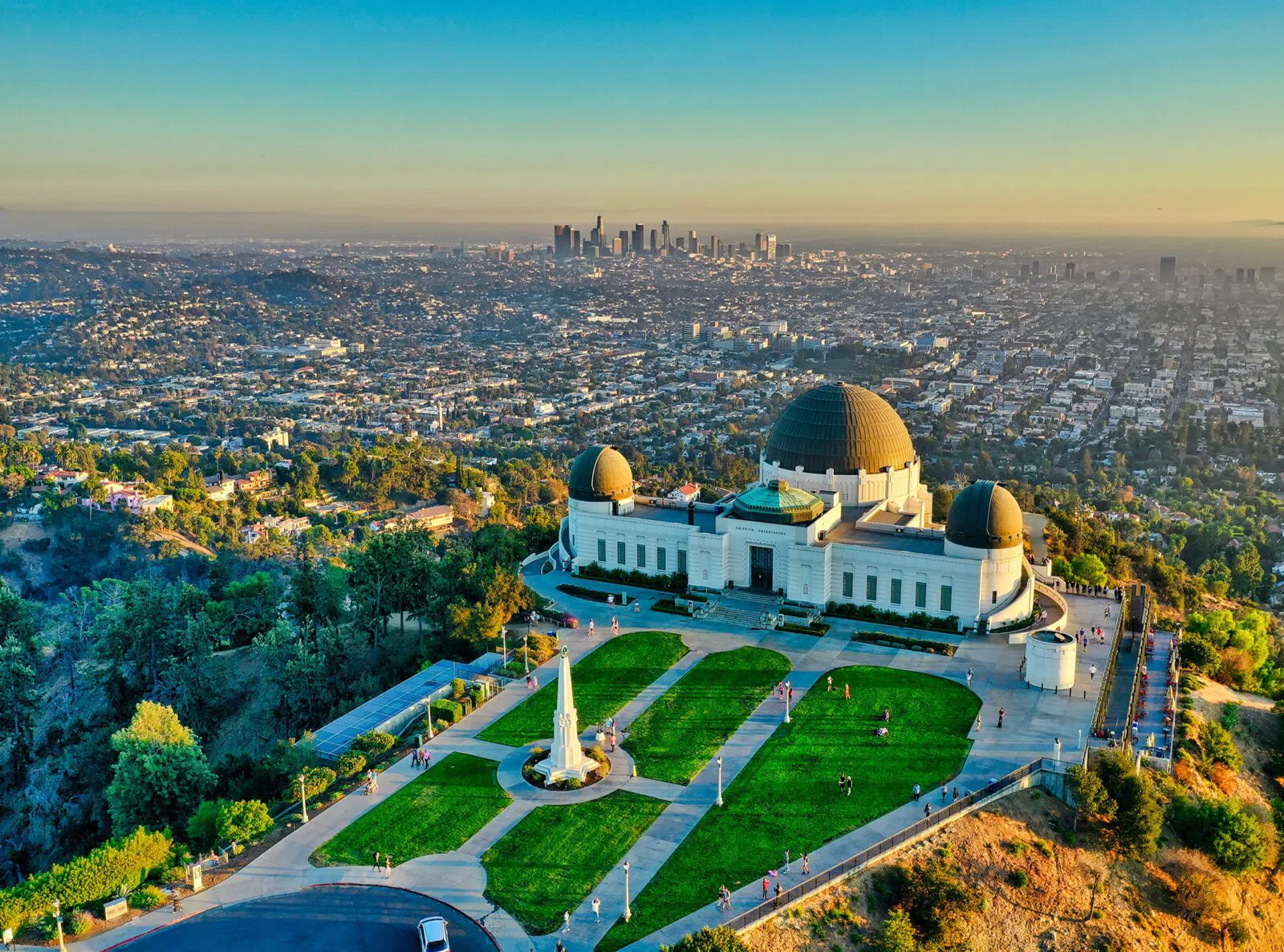
Griffith Observatory (Los Feliz) takes no reservation and sells no ticket for the building or the grounds, so any size of group can simply walk in; the planetarium show is the one thing you pay for, at the on-site box office. It closes Mondays, opens from noon Tuesday to Friday and from 10am at weekends, and stays open until 10pm.
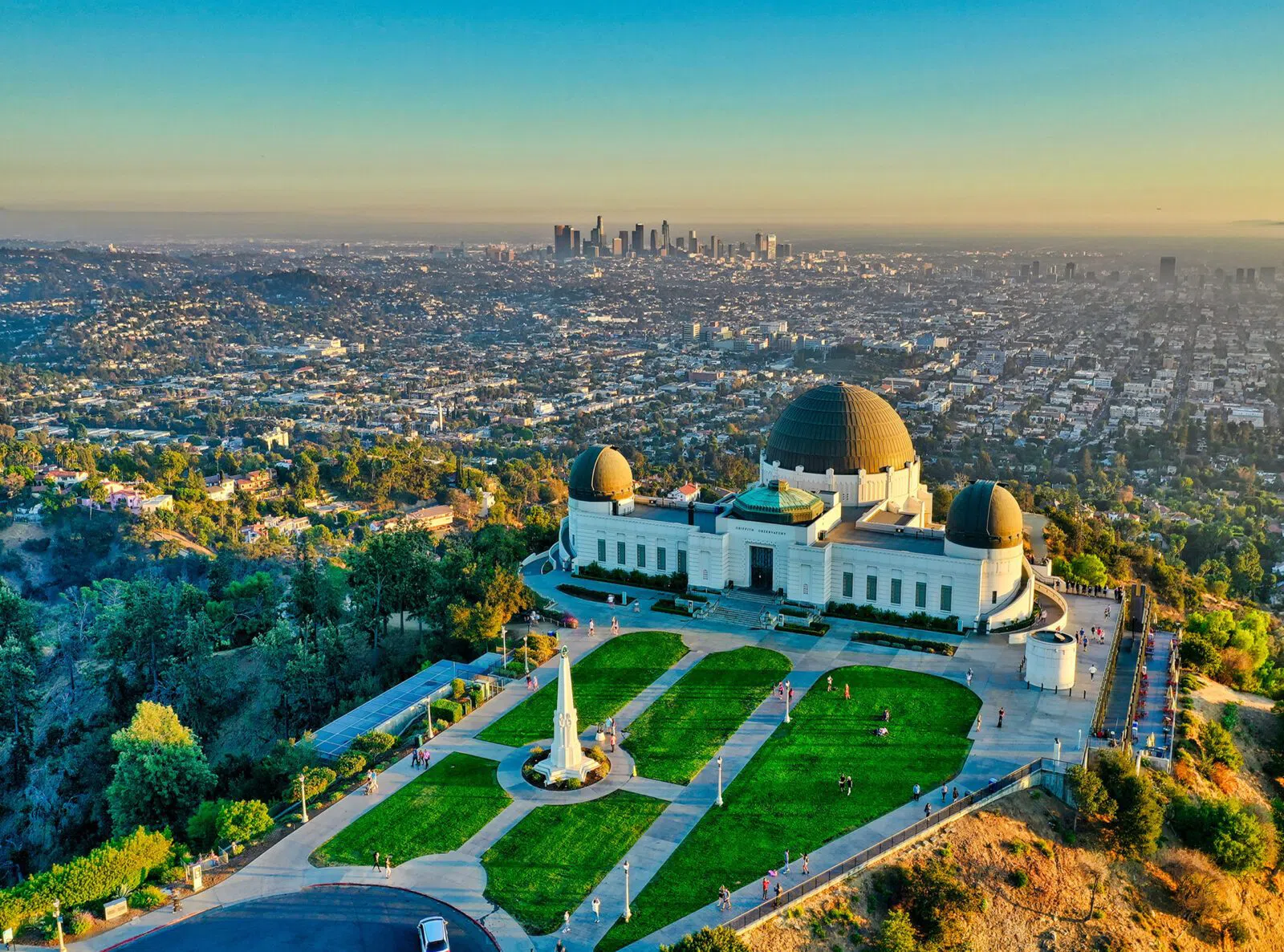
The constraint here is never the door, it is the road. The drive up Fern Dell can absorb an hour in the hunt for a space, and a group arriving in a convoy of cars will arrive in pieces. The alternative is straightforward: Metro B Line to Vermont/Sunset, then the LADOT DASH Observatory bus, 50c or 35c with TAP, every 20 to 25 minutes until 10pm. Arrive in the last of the daylight and stay into the dark. It is a free anchor for a first evening, and it costs less than the parking would.
Over the hill to the working lots
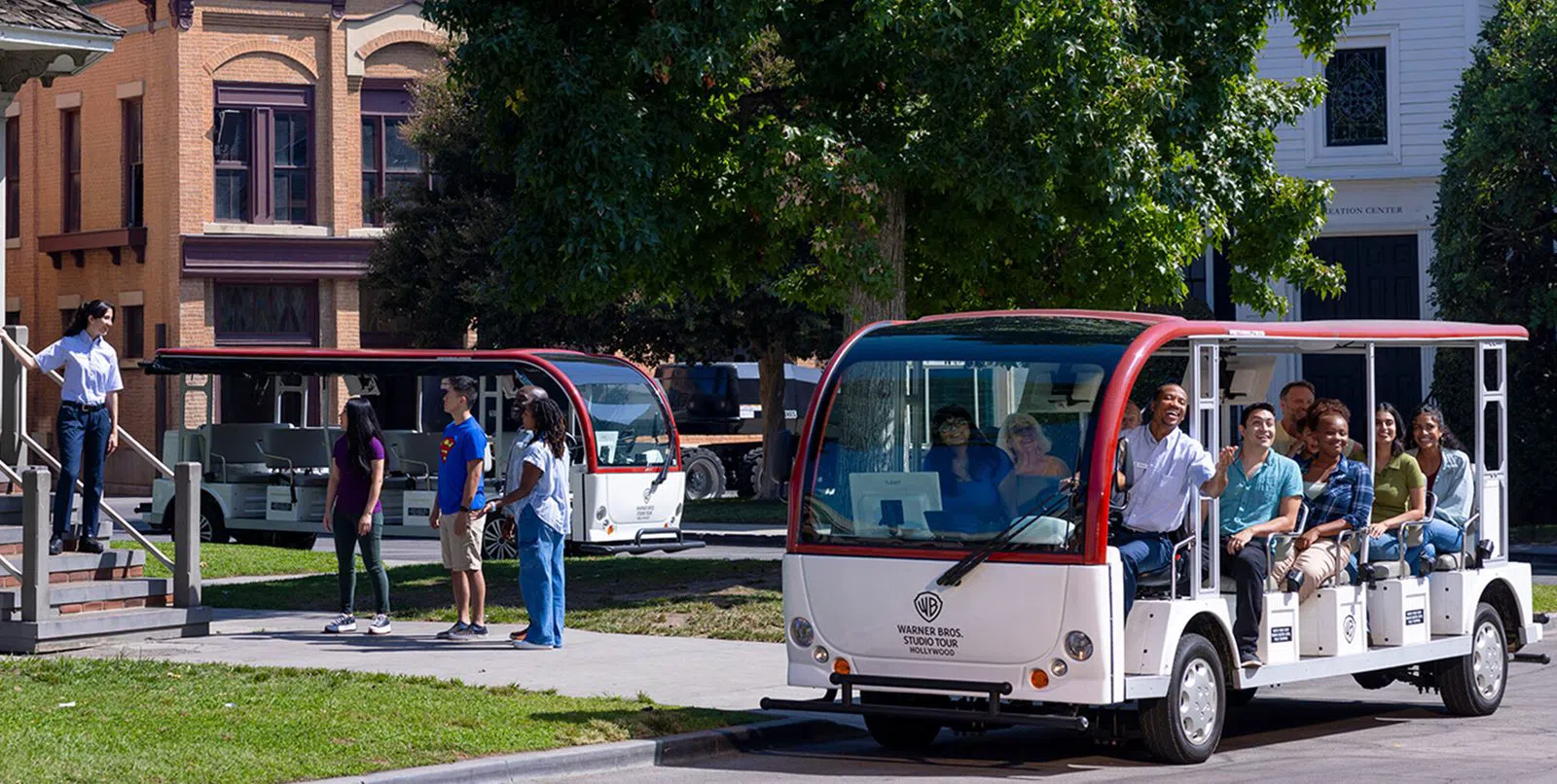
Burbank sits over the ridge from Griffith Park, which is the pairing that works. Warner Bros. Studio Tour Hollywood (Burbank) departs in timed batches from 8:30am to 3:30pm daily at 3400 Warner Blvd and runs about two hours on an active lot, a working studio rather than a themed ride. The Studio Tour starts at $79, the TCM Classic Films Tour at $99, Studio Tour Plus at $160 and Deluxe at $330, with parking $15. Groups book through [email protected] and should be on a single departure; otherwise half your party is an hour behind the other half.
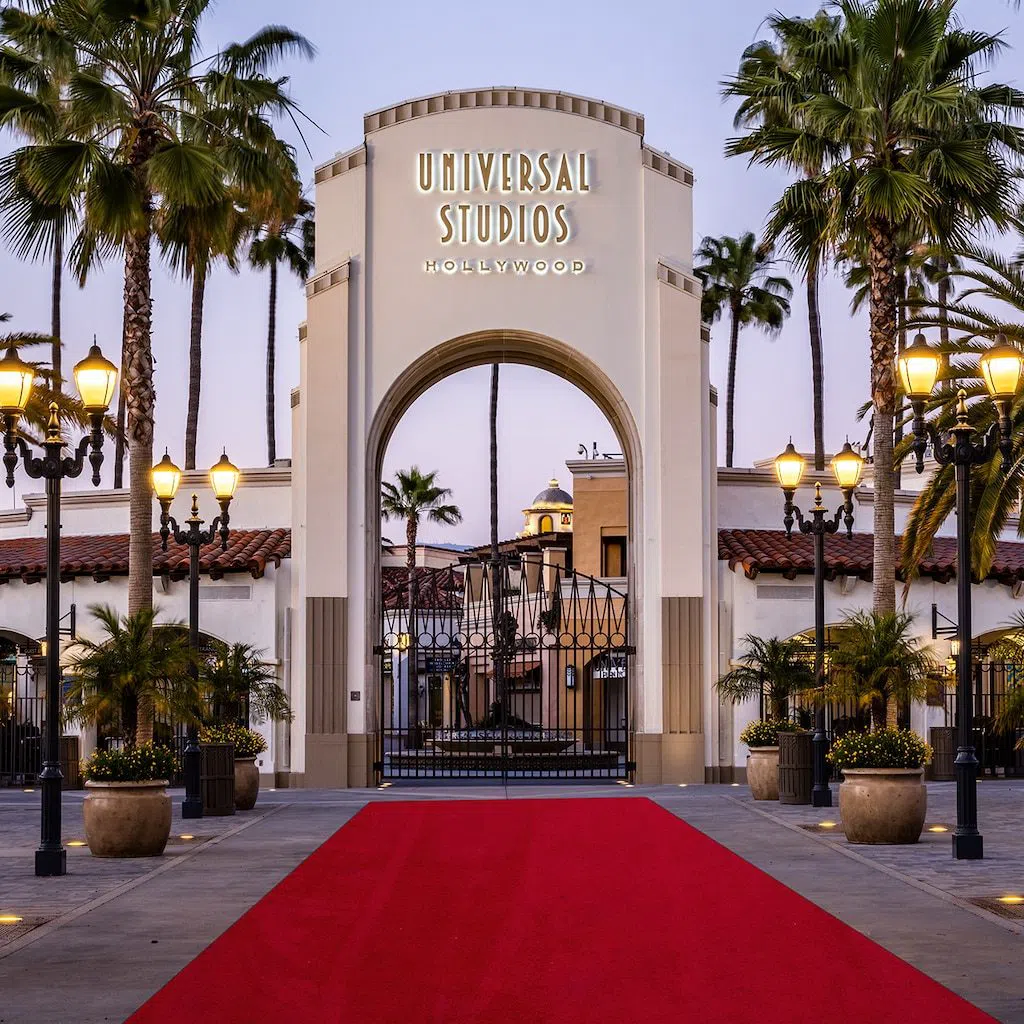
Universal Studios Hollywood (Universal City) has enormous capacity and no door policy, so the thing that protects a group's day is an Express Pass rather than an early arrival. General admission starts around $109 online, Express runs $209 to $309, and the VIP Experience $369 to $519. The Studio Tour tram is still what separates it from other parks. Fast and Furious Hollywood Drift, the park's fastest coaster at up to 72 mph, is in technical rehearsals ahead of a 16 September 2026 opening, so hours and dates around it may shift; check before you commit a day. Take the B Line to Universal City and the free shuttle. The Cahuenga Pass car park is the slower half of the journey.
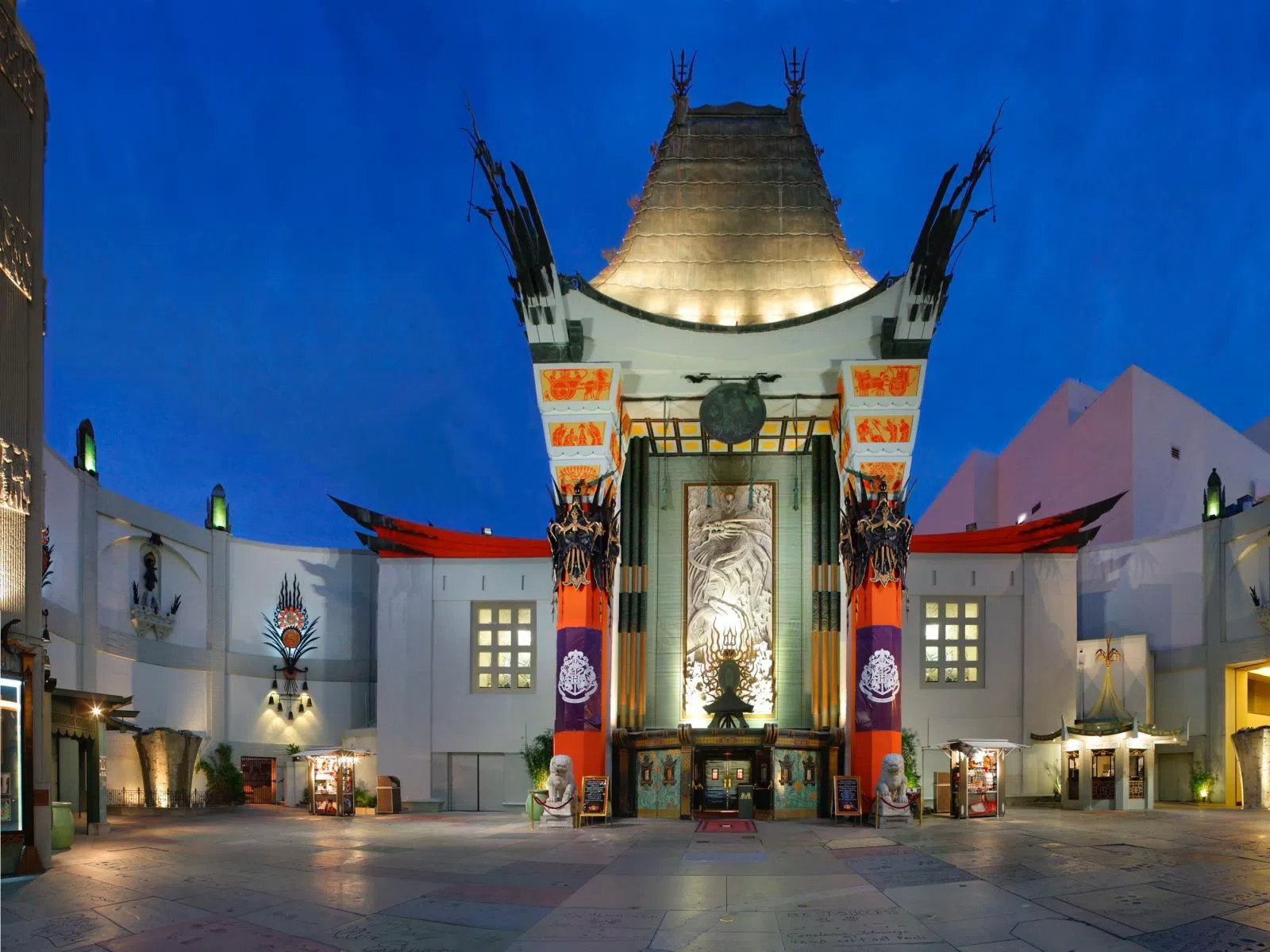
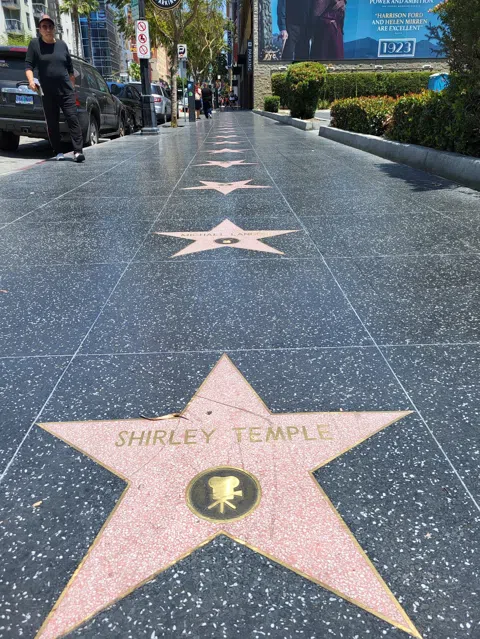
Down in Hollywood, the forecourt of TCL Chinese Theatre (Hollywood) is free and open to everyone, with handprints and footprints from more than 200 film figures going back to 1927, and the IMAX auditorium behind it is among the largest anywhere. The 30-minute guided tour runs in small timed batches from 9:30am and should be booked ahead for a group; a tour-plus-film combination is about $48 for adults and $43 for children aged 3 to 12. Go for the theatre, keep the surrounding boulevard to a short walk, and expect ongoing streetscape works as the Walk of Fame plan rolls out. Chaining Burbank or Hollywood to a beach afternoon is precisely how a day disappears into the 101.
The Westside, timed rather than avoided
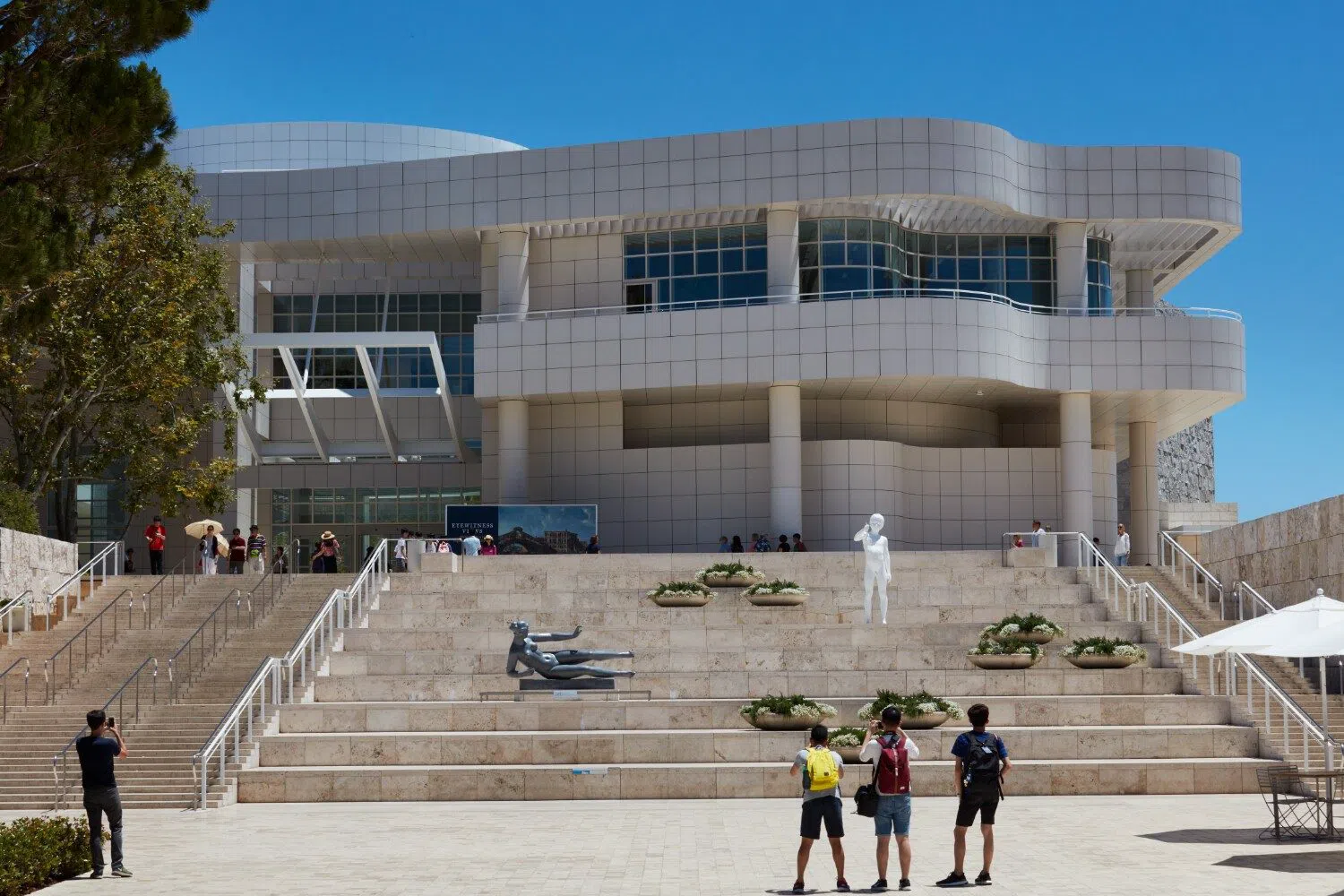
Getty Center (Brentwood) is perched on the 405, so it is one of the few places worth timing against the traffic rather than routing around it: arrive late morning or after 3pm and the hill is calm. Entry is free but requires a timed reservation per visitor; parking is $25, dropping to $15 after 3pm and $10 after 6pm. It opens Tuesday to Sunday, 10 to 5:30, closed Mondays. The tram moves large groups continuously and the terraces absorb a crowd without feeling packed, which is rare for a free attraction. The same trust runs the Getty Villa on PCH, which reopened on 27 June after the Palisades fire but is limited to Friday through Monday, 500 visitors a day, with access from PCH only.
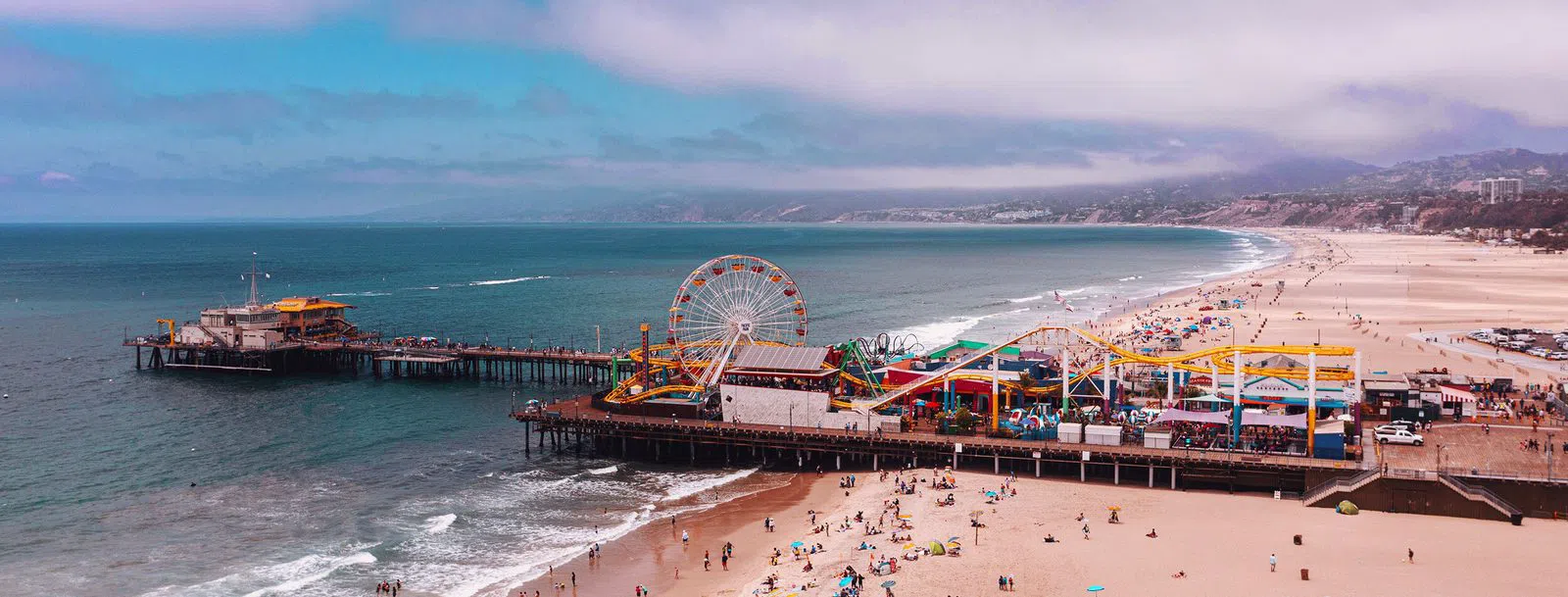
At the coast, Santa Monica Pier (Santa Monica) stays open through bridge replacement works running to December 2026. A temporary pedestrian bridge keeps the Ocean Avenue approach walkable, Appian Way access has been disrupted and half of Lot 1 North is a construction staging area, which settles the question of how to arrive. Take the Metro E Line to Downtown Santa Monica and walk the half-mile down. The deck is free with no limits; Pacific Park rides are pay-per-ride or an unlimited wristband, bought on the spot.
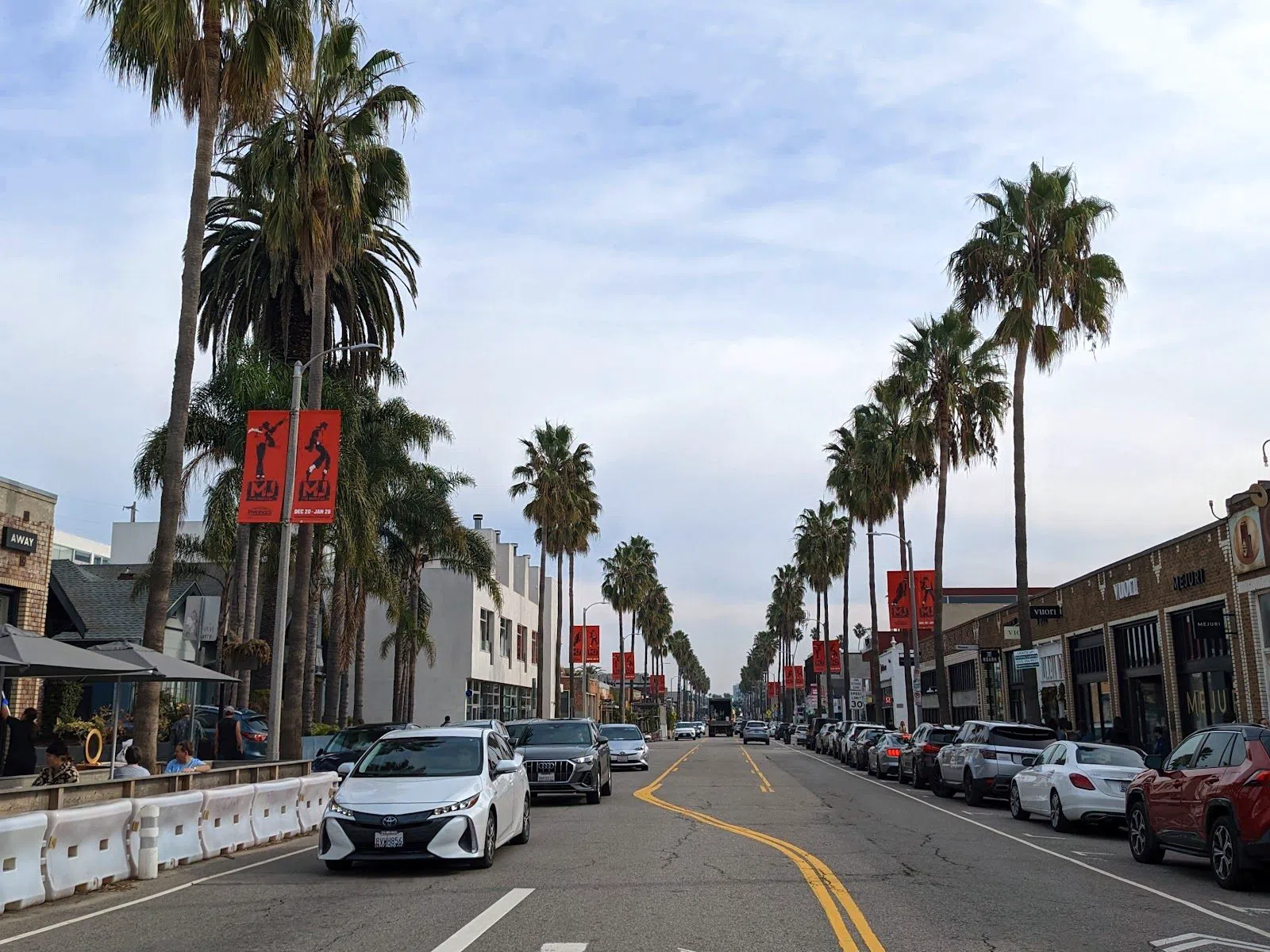
South of there, Abbot Kinney Boulevard (Venice) is curated and expensive where the boardwalk a few blocks west is loud and free-form. The street costs nothing to wander; dinner runs $$ to $$$. Gjelina still anchors it, Salt and Straw's first Los Angeles shop is here, and Enrique Olvera's San Damián brought mariscos to the block. For four or more, reserve well ahead. Walk-in groups wait a long time, while a couple can usually find a bar seat. Park once and do both Venice moods on foot.
The eastern day that earns a car
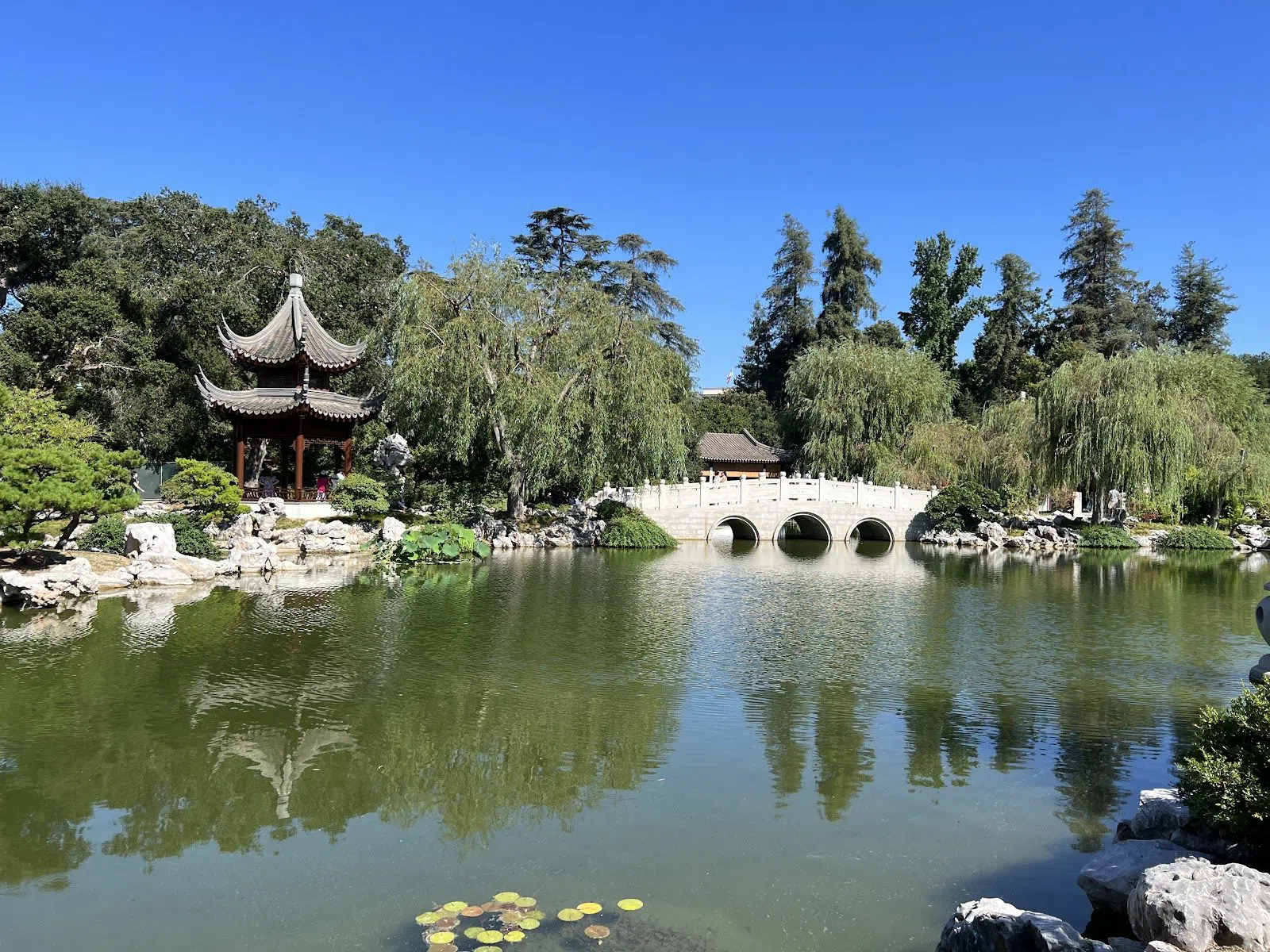
The Huntington Library, Art Museum, and Botanical Gardens is worth the drive east for one reason: it is a whole day in a single place rather than three stops chained across the basin. Timed tickets are required online Friday to Sunday, on holidays and at peak periods, and turning up at a weekend without one means being turned away. Admission is $29 to $34 for adults, $24 to $28 for seniors and students, $13 to $15 for children aged 4 to 11. It opens Wednesday to Monday, 10 to 5, closed Tuesdays. Midweek is considerably easier for a group. The historic Library exhibition halls are closed for renovation from spring 2026 until 2029, with highlights shown in the Art Museum in the meantime. Pair the day with Old Pasadena; do not try to pair it with the coast.
A ballgame without the parking lot
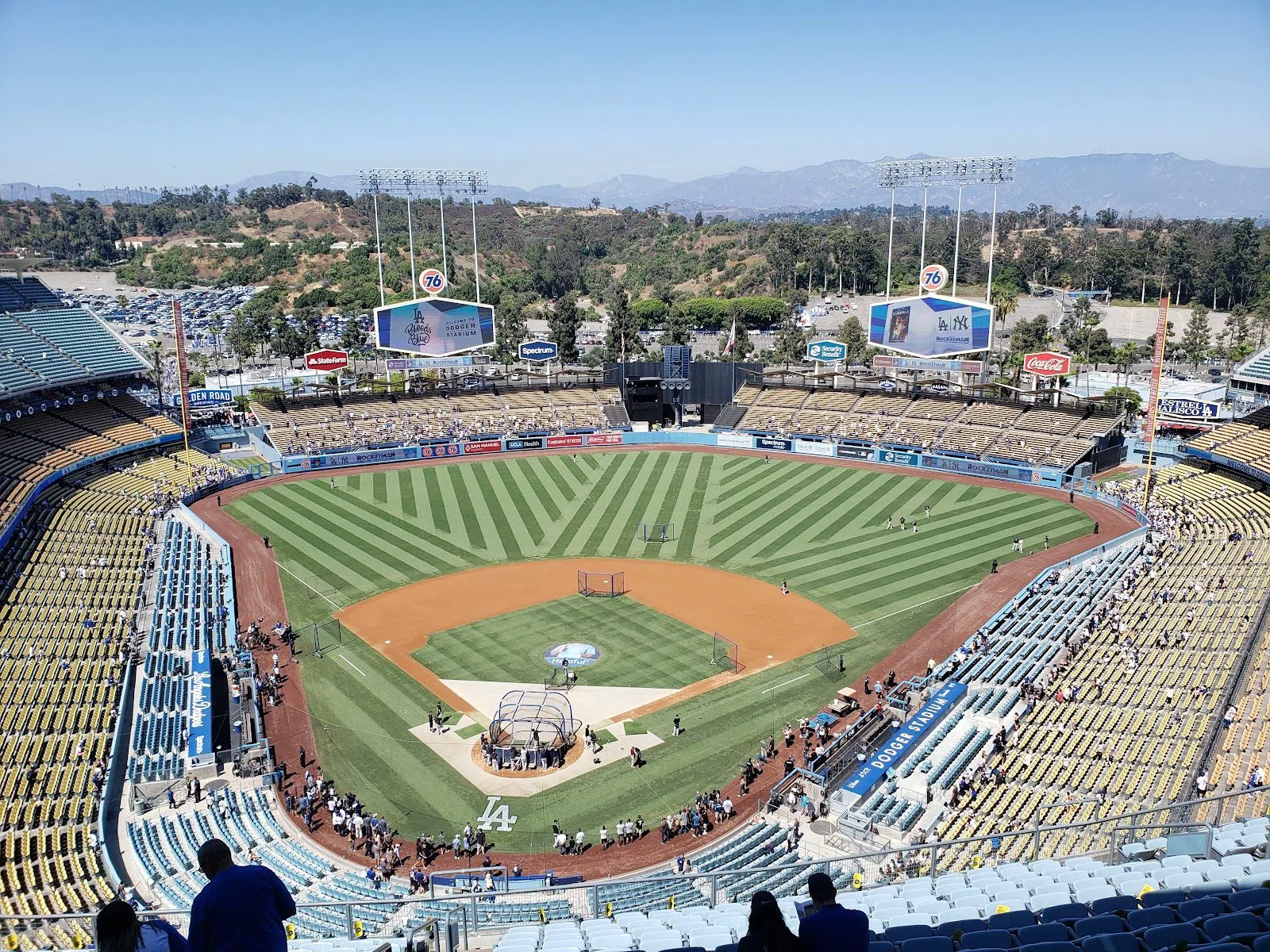
Dodger Stadium (Elysian Park) is the hardest drive in the city and one of the simplest bus rides. The free Dodger Stadium Express leaves Union Station West by Fred Harvey every 5 to 10 minutes from three hours before first pitch, drops behind centre field and runs back until an hour after the final out. It absorbs large groups without fuss. Ticket prices vary by matchup and group sales go through the club. Home games run from March to the end of the regular season, so check the schedule before you build a day around it.
Doors, bookings and group size
Four places here need nothing at all: Griffith Observatory, Grand Central Market, The Original Farmers Market and Union Station, plus the free ground at Angels Flight, the pier deck and the Chinese Theatre forecourt. Those are where an unwieldy party of eight is genuinely easy.
Five need timed tickets, all sold per person: The Broad, the Academy Museum, LACMA, the Getty Center and the Huntington. For a group the rule is the same each time. One slot, everyone on it, booked before you fly. Standby exists at The Broad and nowhere else worth relying on.
Three need a real booking with lead time: the Warner Bros. tour through its group address, the Chinese Theatre guided tour, and dinner on Abbot Kinney for four or more. Couples can improvise at all three; groups cannot.
Fares, timing and what a day costs
Get a TAP card at any station. Metro rides are $1.75 and fare capping stops charging you after $5 of stored value in a day, which also cuts Angels Flight to 75c and the DASH Observatory bus to 35c. Cards work everywhere, but carry $20 or so in small notes for market stalls and tips.
A realistic daily budget for two, excluding the room: $10 to $12 on transit, $30 to $50 on market meals, and then whatever the day's admission is. That is nothing at Griffith or The Broad or the Getty, $50 for two at the Academy Museum, $58 to $68 at the Huntington, and $160 upward if you are doing a studio. A car adds $19 to $29 per parking event, which is the number worth watching, because two parking events in a day usually means the itinerary is wrong.
As for timing: museums closed Mondays are The Broad and the Getty; closed Tuesdays, the Academy Museum and the Huntington; closed Wednesdays, LACMA; and Griffith Observatory closes Mondays too. Build the week around those before anything else. Cross the basin at midday, walk in the afternoon, and leave the evening to somewhere that stays open late. More on districts, seasons and where to sleep sits in the Los Angeles guide.
Before you go
Do I actually need a rental car for a first trip to Los Angeles?
Not for most of a first itinerary. Downtown, Museum Row, Griffith Observatory, Universal Studios Hollywood and Santa Monica Pier are all reachable on the Metro B, D and E lines plus the DASH Observatory bus and Universal's free shuttle. The trip east to The Huntington is the one day that really needs a car, so if you rent, rent for that day rather than for the whole stay.
How do I get from the airport to the city without driving?
The FlyAway airport buses run into Union Station, where the B and D subway lines, the A and E light-rail lines, Amtrak and the free Dodger Stadium Express all meet. Pick up a TAP card there. Rides are $1.75, and fare capping stops charging you after $5 of stored value in a day.
When is Los Angeles traffic worst, and when should I move across the city?
Roughly 7am to 10am inbound and 3pm to 7pm outbound, with Friday afternoons starting closer to 2pm. Cross the basin between 10am and 3pm or after 8pm, and plan each day so you only cross once. The Getty Center needs its own timing: it sits on the 405, so arrive late morning or after 3pm.
How far ahead should I book The Broad and the other free museums?
The Broad's free timed tickets are per person and slots go months ahead, so book before you fly. Walk-up standby runs daily at about 30 to 45 minutes midweek and 60 to 90 minutes at weekends. The Getty Center also needs a free timed reservation per visitor, and LACMA's paid walk-up slots do sell out.
Which days are the main Los Angeles museums closed?
The Broad, the Getty Center and Griffith Observatory close on Mondays; the Academy Museum of Motion Pictures and The Huntington close on Tuesdays; LACMA closes on Wednesdays. Because the Academy Museum and LACMA sit one block apart but shut on different days, you can only pair them on Mondays, Thursdays, Fridays and the weekend.