Los Angeles neighbourhood guide
West Hollywood, Los Angeles: A Neighbourhood Feature on the Strip, the Rainbow District and What Lies Between
Two square miles where Sunset Boulevard's rock-club history collides with the country's most concentrated LGBTQ+ nightlife strip, and the character flips by the block.
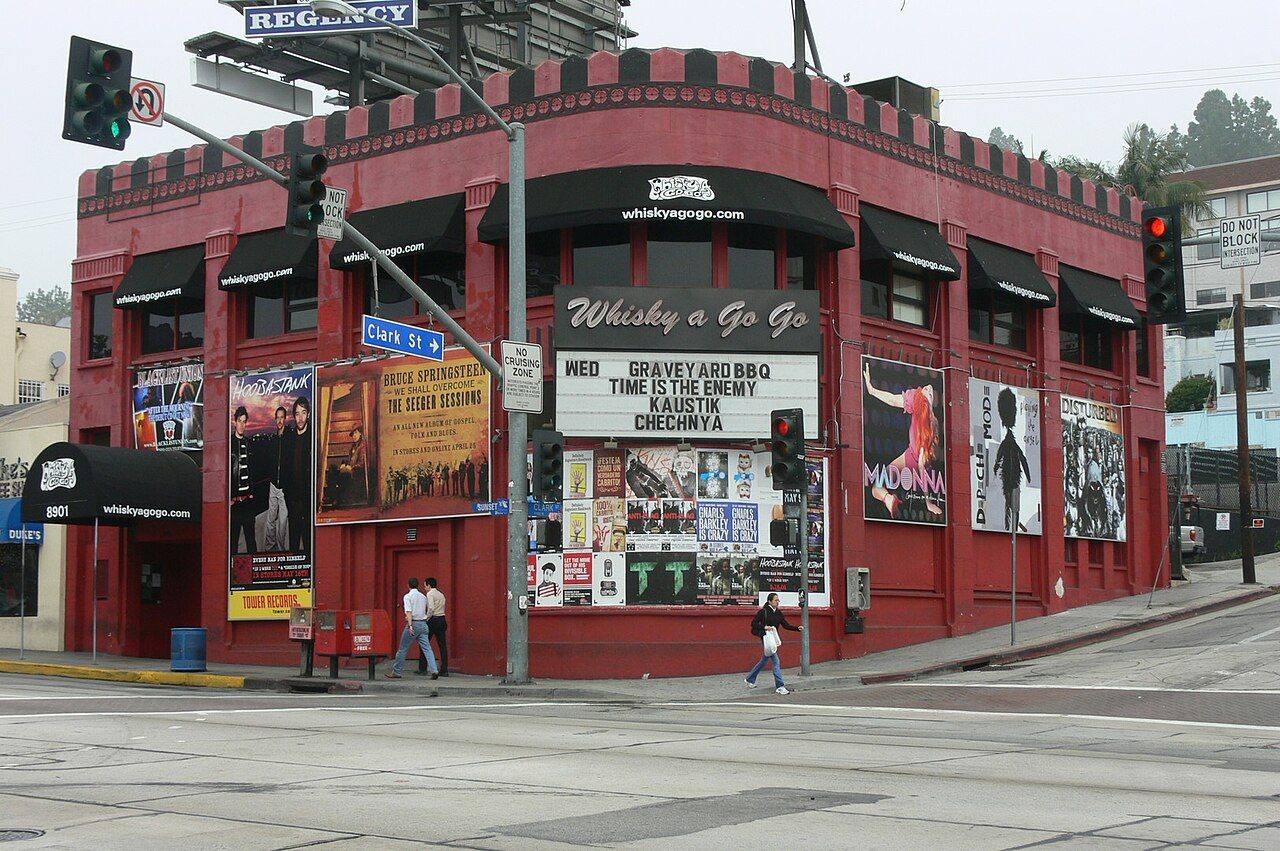
By eleven o'clock on a Friday, Sunset Boulevard splits into two currents outside the neon sign of Whisky a Go Go: fans lining up for a set at the Troubadour, four blocks south on Santa Monica Boulevard, and a crowd spilling out the doors of The Abbey after last call. That collision — a classic-rock pilgrimage on one side of the neighbourhood, the country's most concentrated LGBTQ+ nightlife strip on the other — is West Hollywood in miniature. The city covers barely two square miles, small enough to walk end to end in under half an hour, yet dense enough that its character flips by the block: neon and guitar riffs along the Strip, rainbow flags and packed patios a few streets south in the Rainbow District, showroom glass towers over on Melrose Avenue in the Design District. It's a neighbourhood built for nightlife-first travellers who want to walk between bars and live-music venues without a car, for LGBTQ+ visitors who'd rather be inside the Rainbow District than a drive from it, and for design and architecture fans happy to lose an afternoon to showrooms and galleries. It is not, by contrast, a neighbourhood for budget travellers — this is one of LA's pricier, valet-heavy pockets — or for anyone chasing a beach base or quiet mornings, because WeHo runs late and loud by design.
Sunset Strip history and a city built on nightlife
West Hollywood wasn't its own city until 1984, when the area incorporated specifically to protect rent control and to secure political standing for its large LGBTQ+ population — both fights are still visible in how the place runs today. Roughly four in ten residents identify as LGBTQ+, among the highest concentrations of any city in the country, and West Hollywood hosts one of the nation's biggest Pride celebrations each year, filling Santa Monica Boulevard with a crowd that dwarfs the neighbourhood's actual population. That civic history sits next to a much older reputation as a music town. The Sunset Strip has drawn bands and their fans since the 1960s, and its two anchor venues aren't nostalgia acts coasting on the past. Whisky a Go Go has booked shows here since 1964, served as the house venue for The Doors, and still runs a packed weekly calendar rather than a tribute-band schedule.
A few blocks south on Santa Monica Boulevard, the Troubadour has been open since 1957 — the room that launched Elton John's American career and hosted Guns N' Roses' first-ever show — and it still books serious touring acts most nights of the week, guitar riffs leaking out its open doors onto the sidewalk.
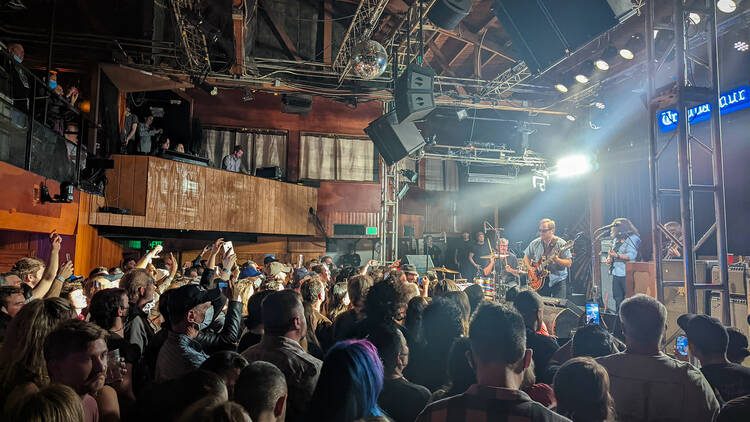
Together they explain why WeHo still feels like a working music neighbourhood rather than a preserved one; the calendars are real, not decorative, and the crowd outside on any given night is there for the band, not the history plaque.
Where to eat in West Hollywood
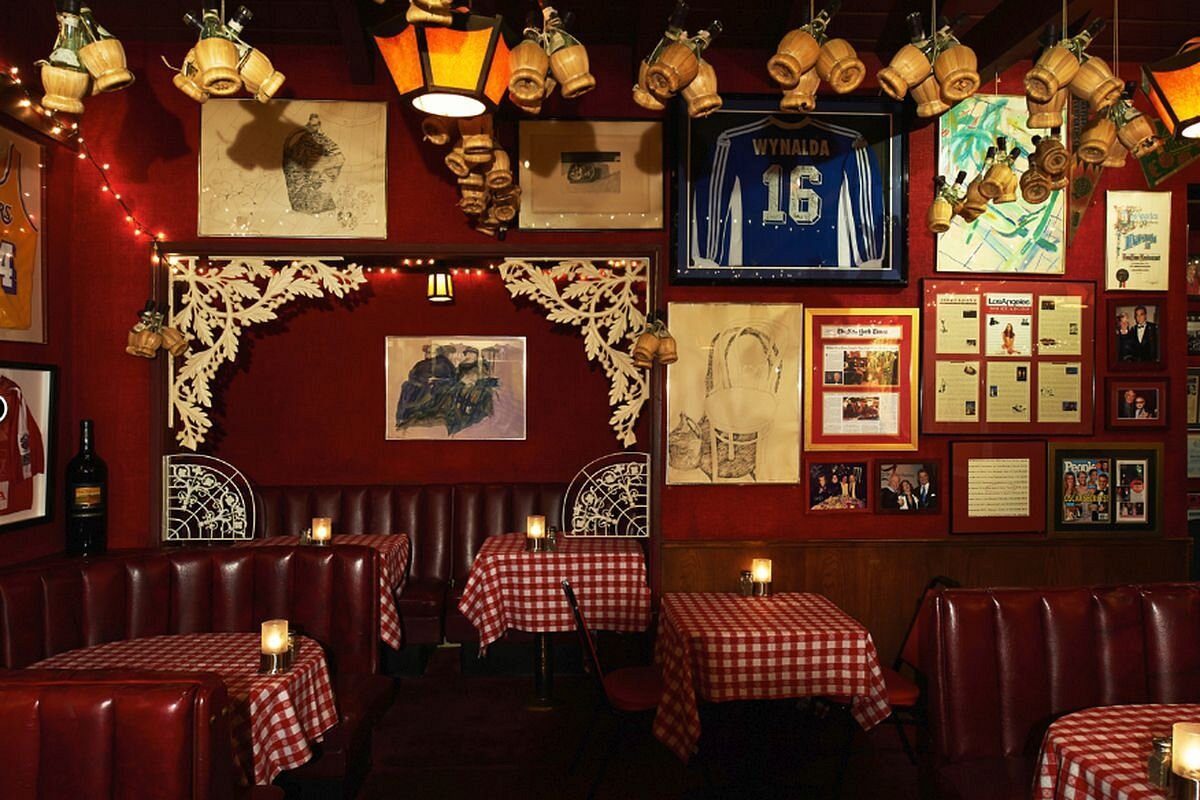
The eating scene here splits between old-school Hollywood institutions and a newer, more internationally minded wave, and both camps are worth detouring for. Dan Tana's, on Santa Monica Boulevard since the 1960s, is the quintessential red-leather-booth Italian joint: checkered tablecloths, tableside Caesar salads, and a bar that still fills most nights with regulars who've been coming for decades.
A few blocks over on Melrose Avenue, in the middle of the Design District, Craig's serves upscale American comfort food in a room that's been a dependable celebrity-spotting spot for years — the reservation is harder to land than the food is to enjoy, and the crowd at the bar tells you as much about the neighbourhood as the menu does. For something that steps further outside the classic Hollywood mould, Ladyhawk does modern Lebanese cooking in an Art Deco room on La Peer Drive, built around a nine-dip mezze platter meant for the middle of the table rather than one plate per person — the kind of order that turns dinner into a slow, shared event. And not far from Dan Tana's, also on Santa Monica Boulevard, Traktir goes in an entirely different direction — Eastern European comfort food, vareniki, chicken blintzes, beef stroganoff — served in portions generous enough that leftovers are the rule rather than the exception.
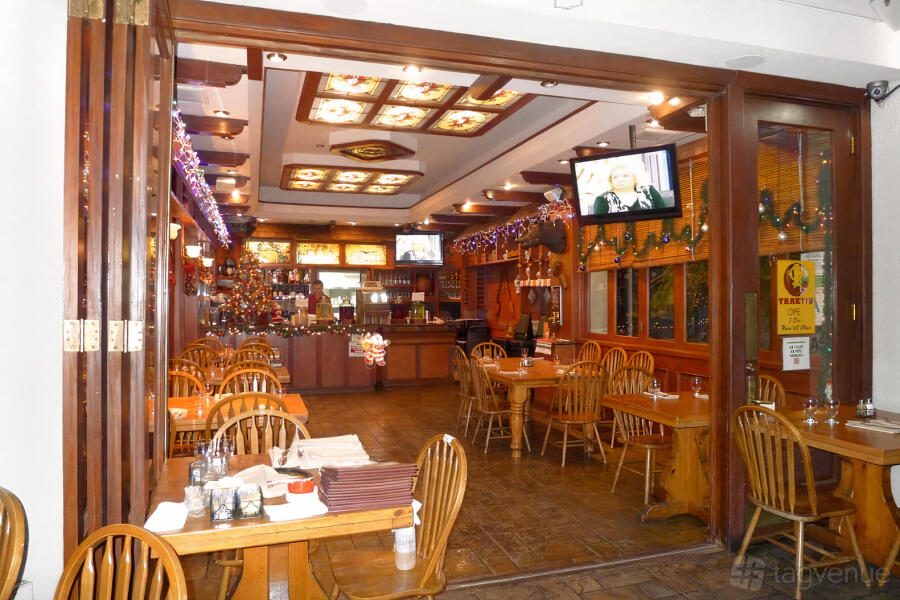
Between the four of them, a single stretch of Santa Monica Boulevard and Melrose Avenue covers Italian-American clubhouse cooking, Californian celebrity comfort food, Lebanese mezze and Russian stick-to-your-ribs classics, without anyone needing a car to get between them.
Nightlife: the Strip and the Rainbow District
West Hollywood's nightlife runs on two circuits that rarely overlap, and it's worth understanding both before picking a hotel. On Sunset Boulevard, the Strip stays a working rock-venue district after dark — Whisky a Go Go and the Troubadour both run real weekly show calendars rather than tribute nights, and valets stack cars outside rooftop bars while the sidewalk fills with people moving between venues. Tucked down the side of the Largo theatre on La Cienega Boulevard is a quieter, stranger option: Psychic, a hidden cocktail bar entered through a curtain behind an unmarked neon sign, the kind of place regulars have to explain to first-timers before they'll find the door.
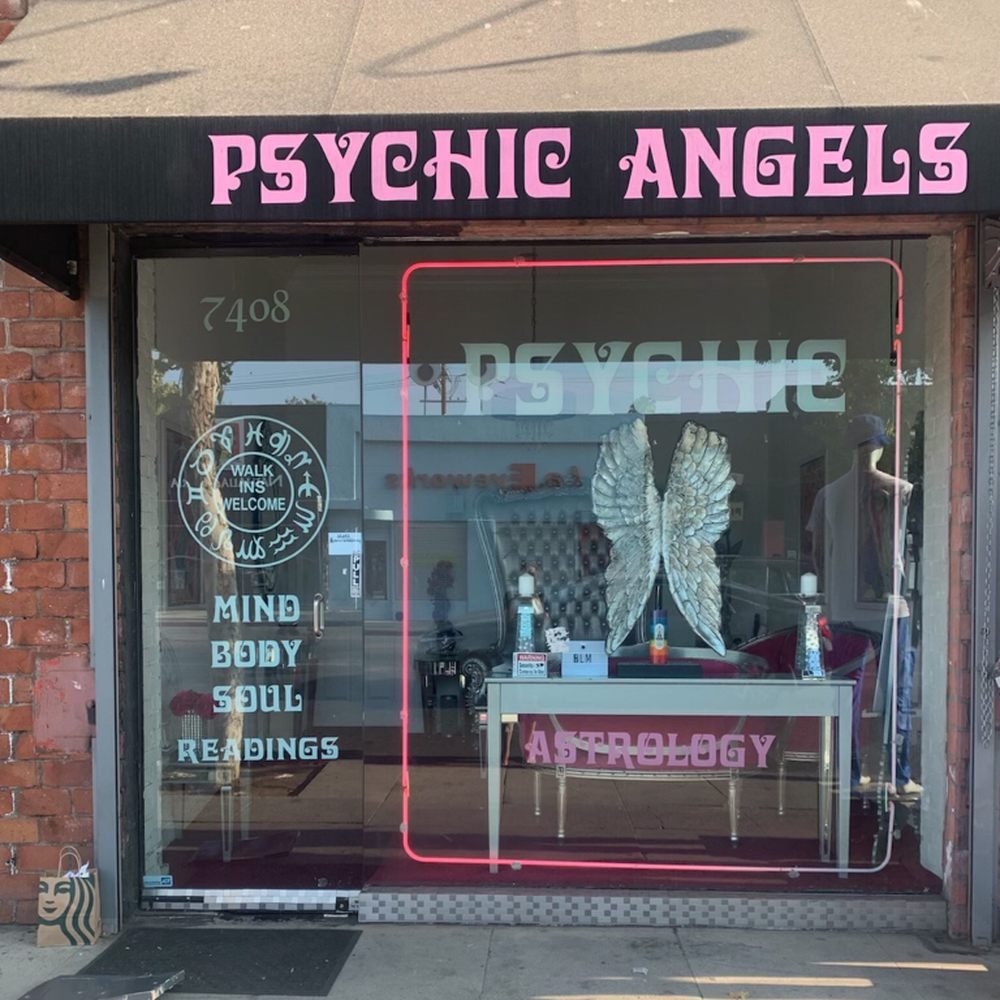
Four blocks south, Santa Monica Boulevard runs an entirely different current. This is the Rainbow District, the beating heart of LGBTQ+ West Hollywood, and its anchor is The Abbey — twice named the world's best gay bar by MTV's Logo network, and still the default first stop for most nights out along the strip.
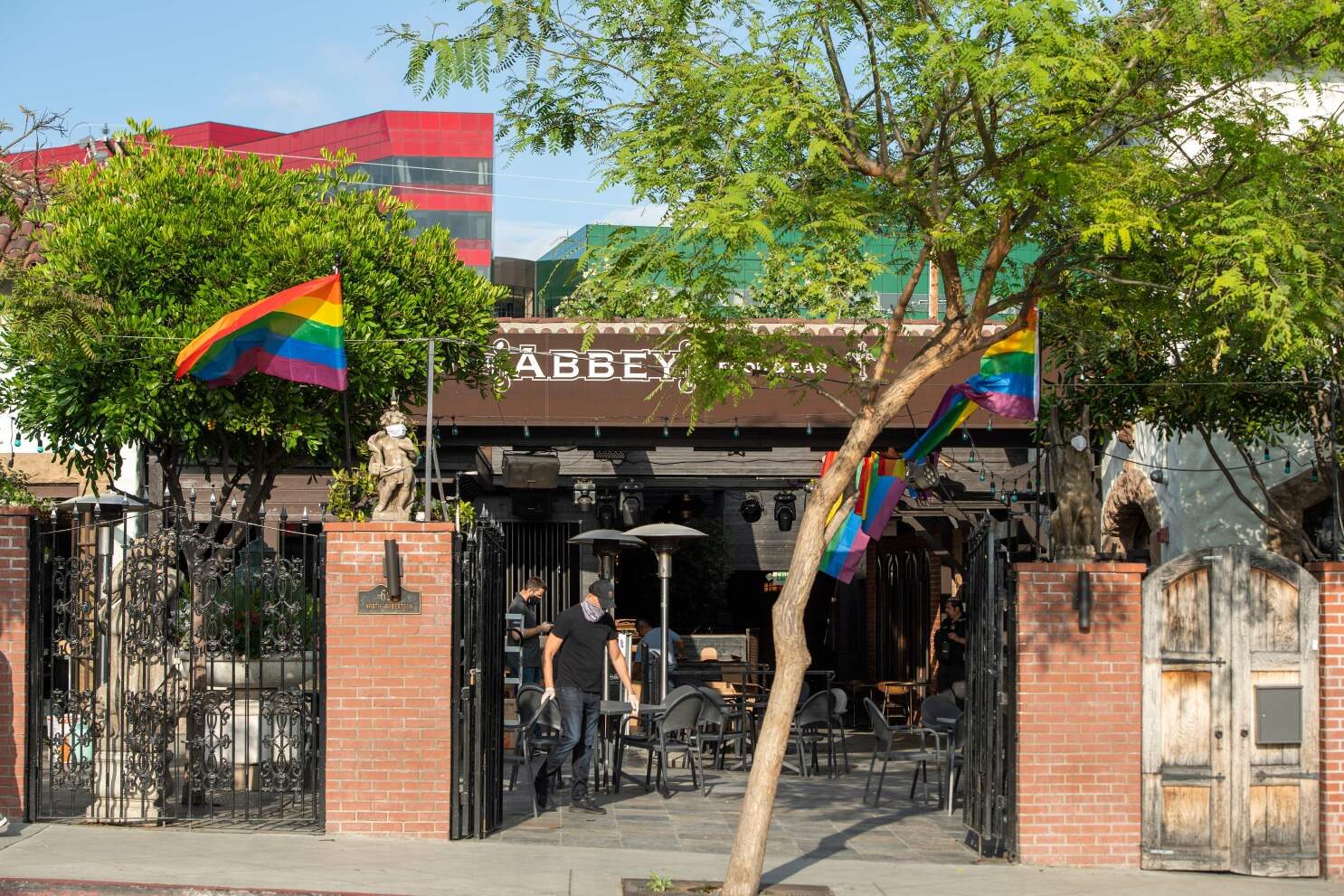
The two scenes sit less than half a mile apart but feel like different cities after dark: guitars and leather jackets on the Strip, patios and Pride flags on Santa Monica Boulevard, and a short, walkable stretch of residential streets connecting them. The area is generally safe and well-trafficked deep into the night, especially along the Strip and the Rainbow District where foot traffic barely thins before 2am, though standard city awareness around parked cars and after last call still applies.
What to do beyond the bars
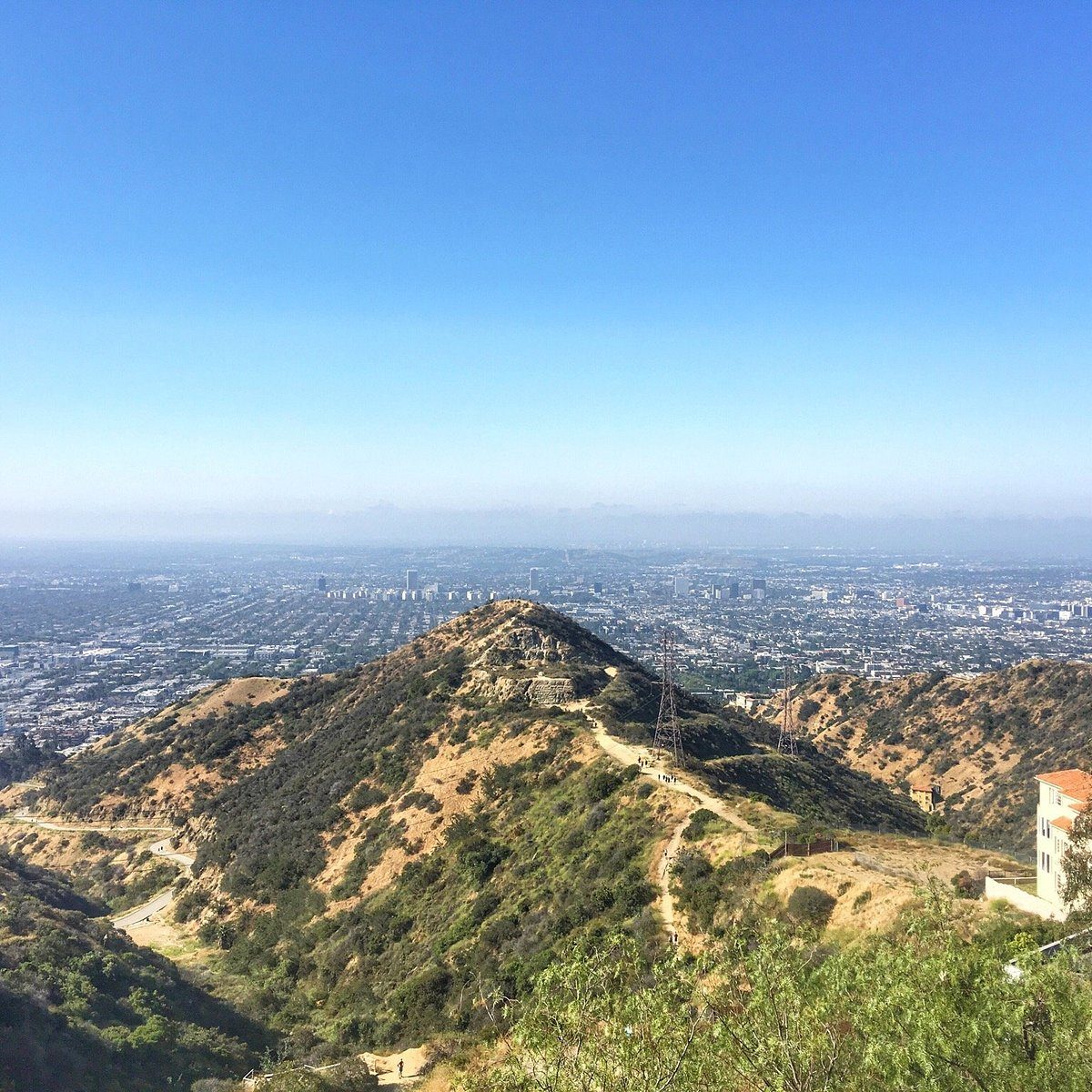
Daytime West Hollywood is a genuine counterweight to its nightlife reputation, not just a waiting room before dark. Runyon Canyon, a short drive or rideshare from the Strip, is a free, moderate hike that locals treat as a daily gym session and visitors treat as the best skyline view they'll get without paying for one. The main southern entrance sits at the north end of Fuller Avenue, and the loop up the fire road and back down the East Ridge Trail covers about 2.8 miles, with views that stretch to the Hollywood Sign on a clear morning.
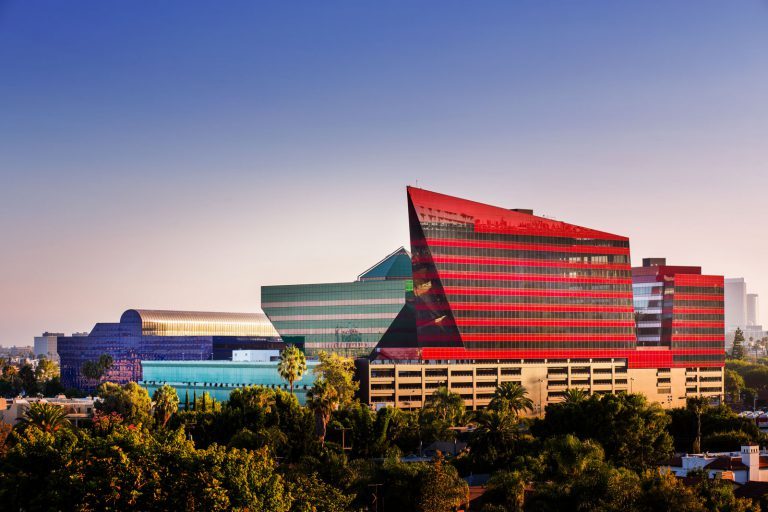
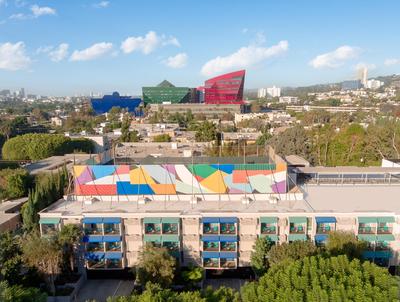
Back in the neighbourhood proper, the Pacific Design Center is the other essential stop, and it rewards an afternoon rather than a quick pass-through. César Pelli designed the complex, 1.6 million square feet of showrooms spread across a trio of buildings, and its most photographed piece is the cobalt-glass structure locals call the Blue Whale — a genuine architectural landmark rather than a marketing nickname, and worth circling on foot from more than one angle.
Between the canyon and the showrooms, a visitor can fill an entire day here without setting foot in a bar — useful to know, given the neighbourhood's reputation runs almost entirely the other way.
Don’t miss in West Hollywood
The Pacific Design Center, a massive architectural landmark hosting design showrooms.
The Sunset Strip, famous for historic live music venues and comedy clubs.
Melrose Avenue for vintage shopping and contemporary art galleries.
Shopping: Melrose Avenue and the Design District
Melrose Avenue through West Hollywood, roughly the stretch between La Cienega Boulevard and Fairfax Avenue, is the polished end of a street that gets scrappier the further east it runs. This section leans upscale and sustainable-minded — boutiques and concept stores with a curated, considered feel, plus the occasional high-end vintage shop slotted between them — a step up from the punk-and-streetwear stretch further along toward La Brea Avenue. It's an afternoon best spent on foot, ducking in and out of storefronts rather than working from a list, with the Pacific Design Center a natural bookend at one end of the walk and Craig's a natural lunch stop at the other. The pace here is slower than the Strip's after-dark rush, and it's the one part of West Hollywood where a visitor can spend three hours without checking the time once.
Where to stay in West Hollywood
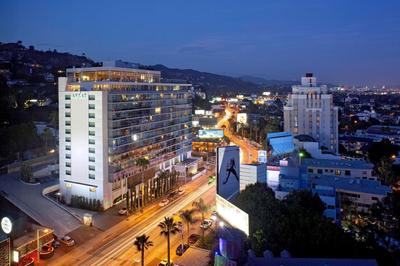
The Sunset Strip is the obvious base for anyone prioritising nightlife and the Whisky/Troubadour circuit — hotels here put guests within stumbling distance of live music and rooftop bars, though rooms come at a premium and weekend noise is real, not a minor caveat. Among the newer options, The Valorian Los Angeles, Hilton's 2026 addition to the Strip, is worth knowing about for anyone weighing where exactly to post up. Whichever block a visitor lands on, it's worth budgeting for it: this is mid-to-high territory even by LA standards, one of the city's pricier neighbourhoods, and valet or paid parking is close to unavoidable at the door of almost every hotel and restaurant listed here.
Where to stay here
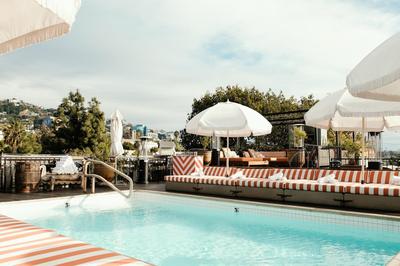
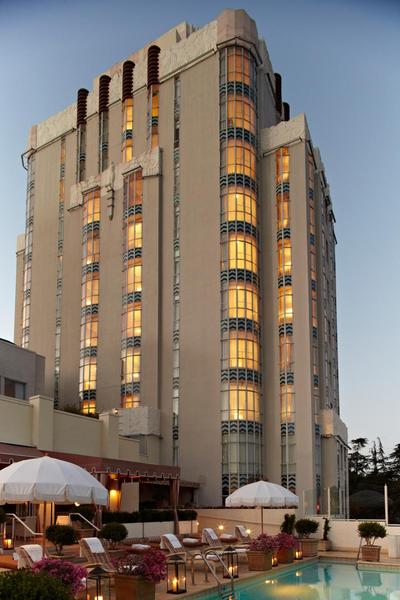
Hotels in West Hollywood
Our best-rated stays in this neighbourhood. Prices are approximate “from” rates — confirmed at the provider when you continue. We may earn a commission if you book through our partners — at no extra cost to you.
 In this area
 In this area
 In this area
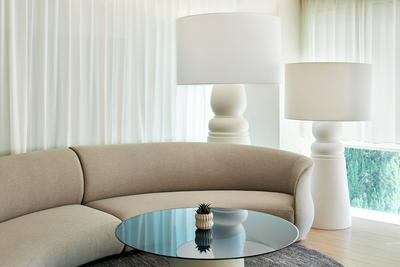
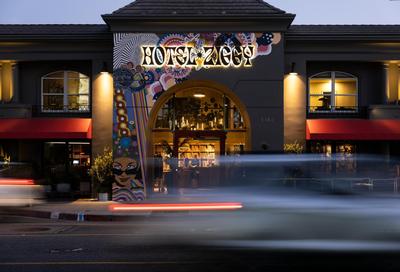
The London West Hollywood at Beverly Hills
 In this area
 In this area
 In this area
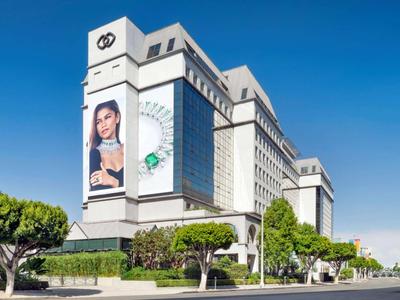
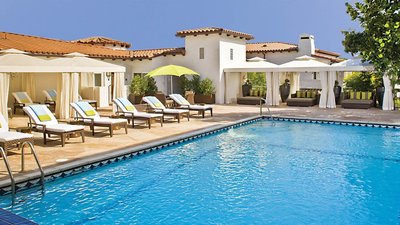
Hotel Sofitel Los Angeles at Beverly Hills
 In this area
 In this area
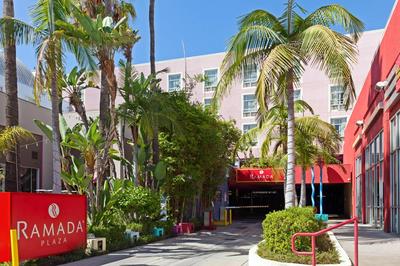
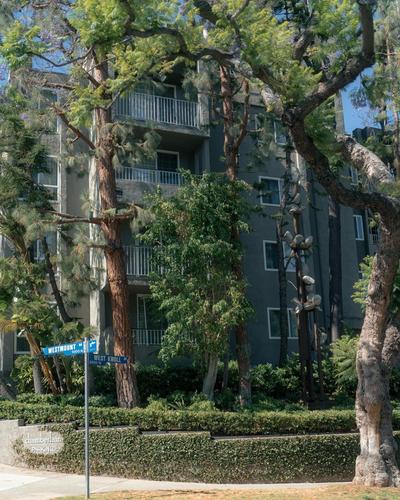
Ramada Plaza by Wyndham West Hollywood Hotel & Suites
 In this area
 In this area
 In this area
 In this area
Getting around West Hollywood
West Hollywood has no subway station of its own, but it's bracketed by Metro rail on both sides. The D Line's Wilshire/La Cienega station, which opened in May 2026, sits just south of the neighbourhood and connects toward Downtown LA; from WeHo it's reachable via Metro Line 105, which runs the length of La Cienega. Within the neighbourhood, walking covers most of what matters — the Strip, the Rainbow District and Melrose Avenue are each walkable on their own — but a car or rideshare earns its keep moving between those pockets, and for reaching the rest of the city, since there's no direct rail link. Getting here in the first place usually means flying into LAX, roughly 30 to 50 minutes away by car or rideshare depending on traffic, or Hollywood Burbank Airport, a similar drive from the north. Parking once you've arrived is close to unavoidable and mostly valet, in keeping with a neighbourhood that runs, unapologetically, on a premium.
Good to know
West Hollywood — your questions
Is West Hollywood a good area to stay in Los Angeles?
Yes, if nightlife and walkability matter more than beaches or quiet mornings — it's one of the most central, walkable bases in LA, close to Hollywood, Beverly Hills and the Westside, but it's pricier and louder than most other neighbourhoods.
Is West Hollywood LGBTQ+ friendly?
Very much so — it's one of the most LGBTQ+-concentrated cities in the US, with roughly four in ten residents identifying as LGBTQ+ and a dedicated nightlife strip, the Rainbow District, along Santa Monica Boulevard.
Do you need a car in West Hollywood?
Not for the neighbourhood itself — the Strip, the Rainbow District and Melrose Avenue are each walkable on their own — but a car or rideshare helps for moving between those pockets and for reaching the rest of LA, since there's no subway station directly in WeHo.
How do you get to West Hollywood from LAX?
There's no direct rail link, so most visitors arrive by car or rideshare, a trip of roughly 30 to 50 minutes depending on traffic; Hollywood Burbank Airport to the north is a similar drive.
Gallery