The Los Angeles issue
No Tablecloths: The Nightlong Pilgrimage of Los Angeles Tacos
A calm, honest route through Los Angeles taco culture — from a Michelin-listed shrimp truck to a two-in-the-morning trompo of al pastor — with clear advice on what to order and who each stop suits.

By Tobias LindqvistThe city on foot and by Metro
Los Angeles has no taco district. It has a taco map that unspools across sixty miles of surface streets — a shrimp truck in Boyle Heights that stops serving before the afternoon is out, a Michelin-starred counter tucked inside a market hall, a spit of al pastor turning under a service-station light long after midnight. To eat well here you keep moving, and you eat standing up as often as you sit down. What follows is a route rather than a ranking: a night, or several, spent chasing the city one taco at a time.
Where to Begin
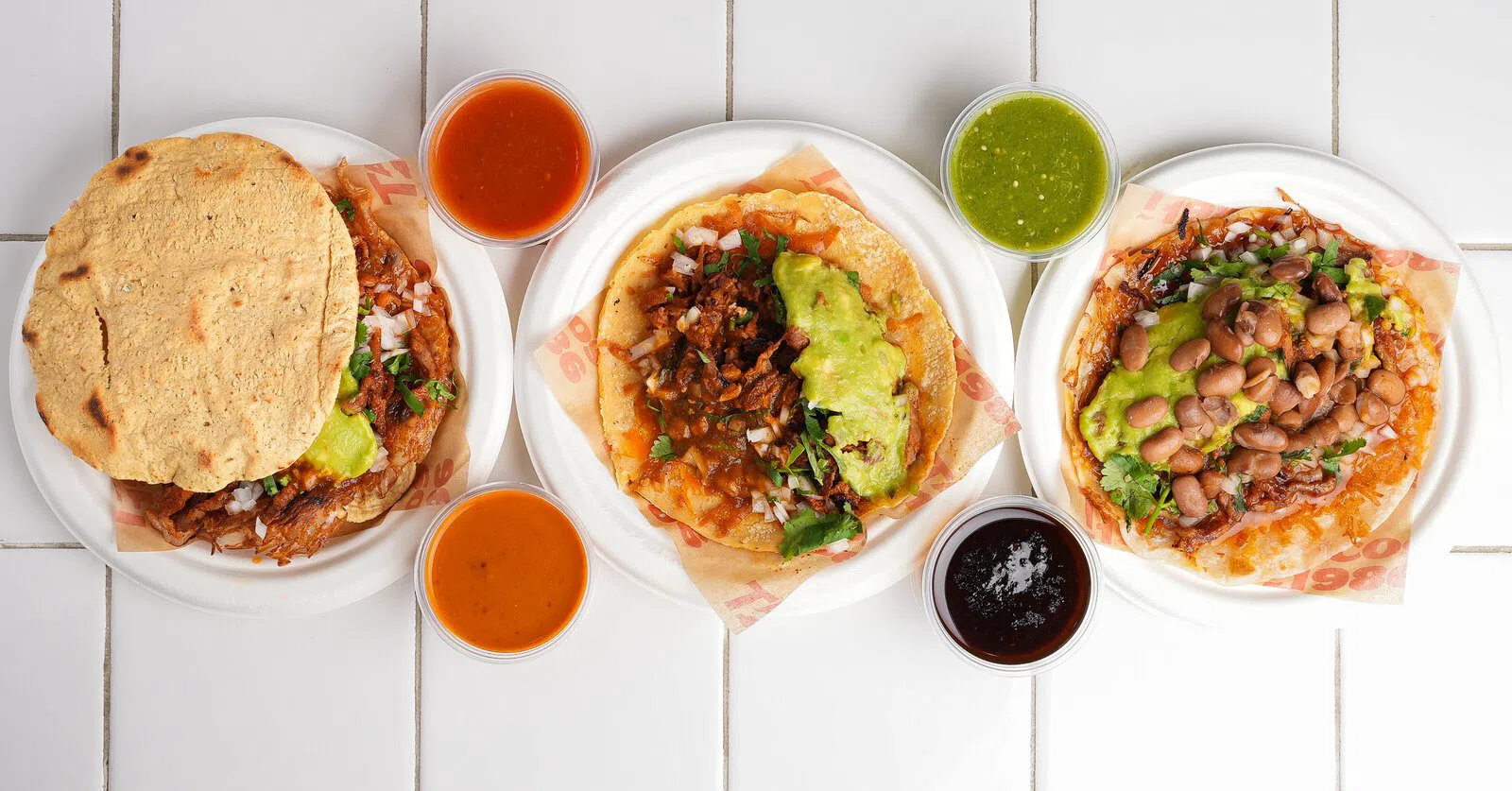
The honest question every first-time visitor asks is not "which is the best" but "where do we start" — and the safest answer is Tacos 1986 (fast-casual counters at several central locations). It is a polished, consistent introduction to Baja-style tacos, and the counters are central enough that one is rarely far from wherever you are staying. Some sites keep long hours, a few running to around 3am, so it works as an opener or a closer. Order the adobada, marinated and shaved from the spit. There is easy seating, the operation is used to volume, and groups and late-night crews cause no trouble. Think of it as a legible entry point, not the summit.
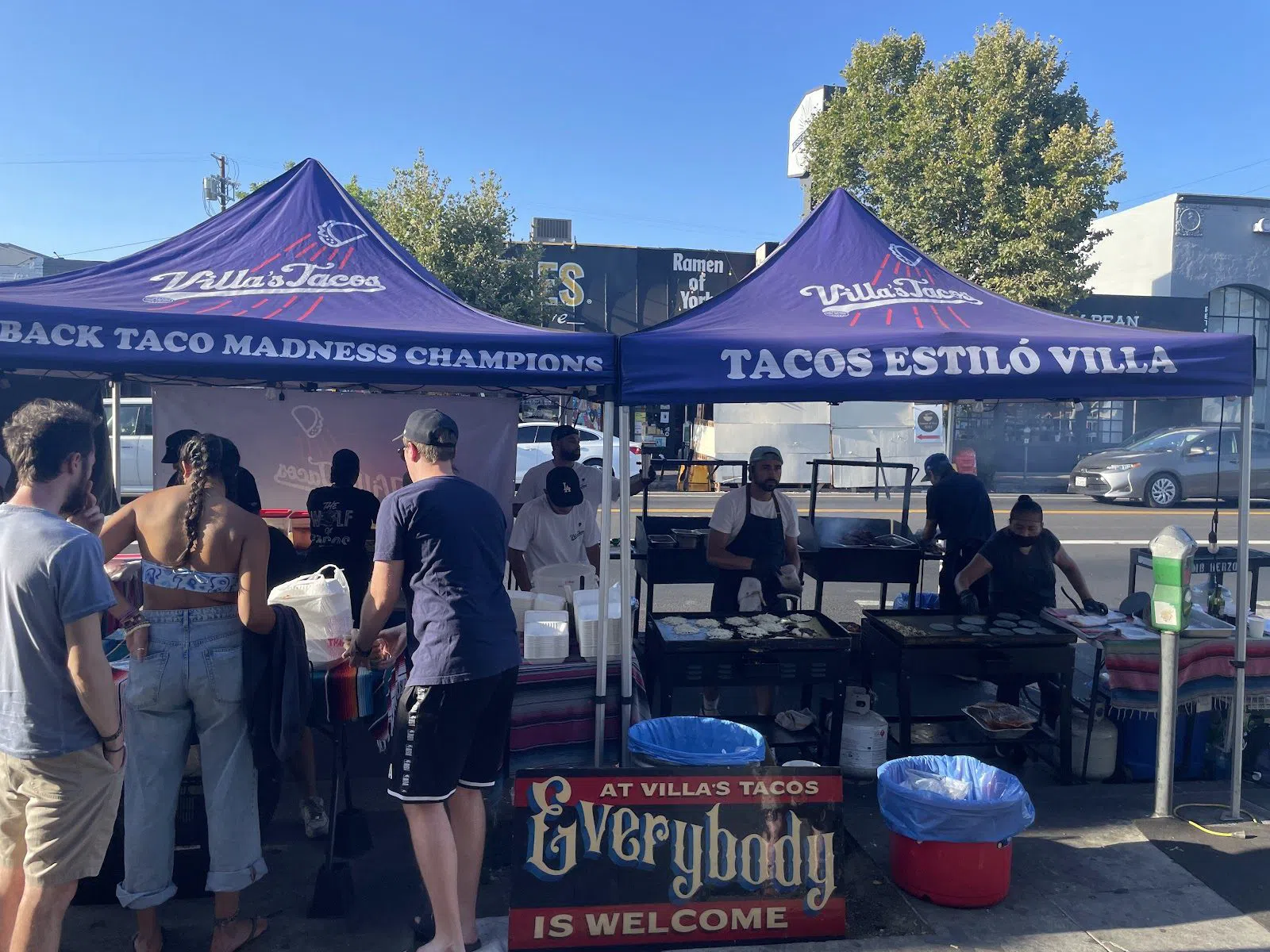
From there, walk or ride to Villa's Tacos (Highland Park), a homegrown LA-style original with a Michelin Bib Gourmand and three locations. This is the most photogenic stop on the route — a blue-corn tortilla under a crown of crisped cheese — and the most straightforwardly visitor-friendly. You order at the counter, there is patio seating, and it is Metro-accessible, which matters in this city. Expect a line at peak; the operation is built for crowds, so groups are simple. Around $6–8 for a loaded taco. If you want a broader sense of the city around the food, the Los Angeles guide sets the neighbourhoods in context.
Plan your Los Angeles trip
Live prices from our booking partners.
Free cancellation on many rooms. We may earn a commission when you book.
The Michelin Detour
Two places prove that Los Angeles takes tacos seriously without a tablecloth anywhere in sight. Both ask something of your timing.
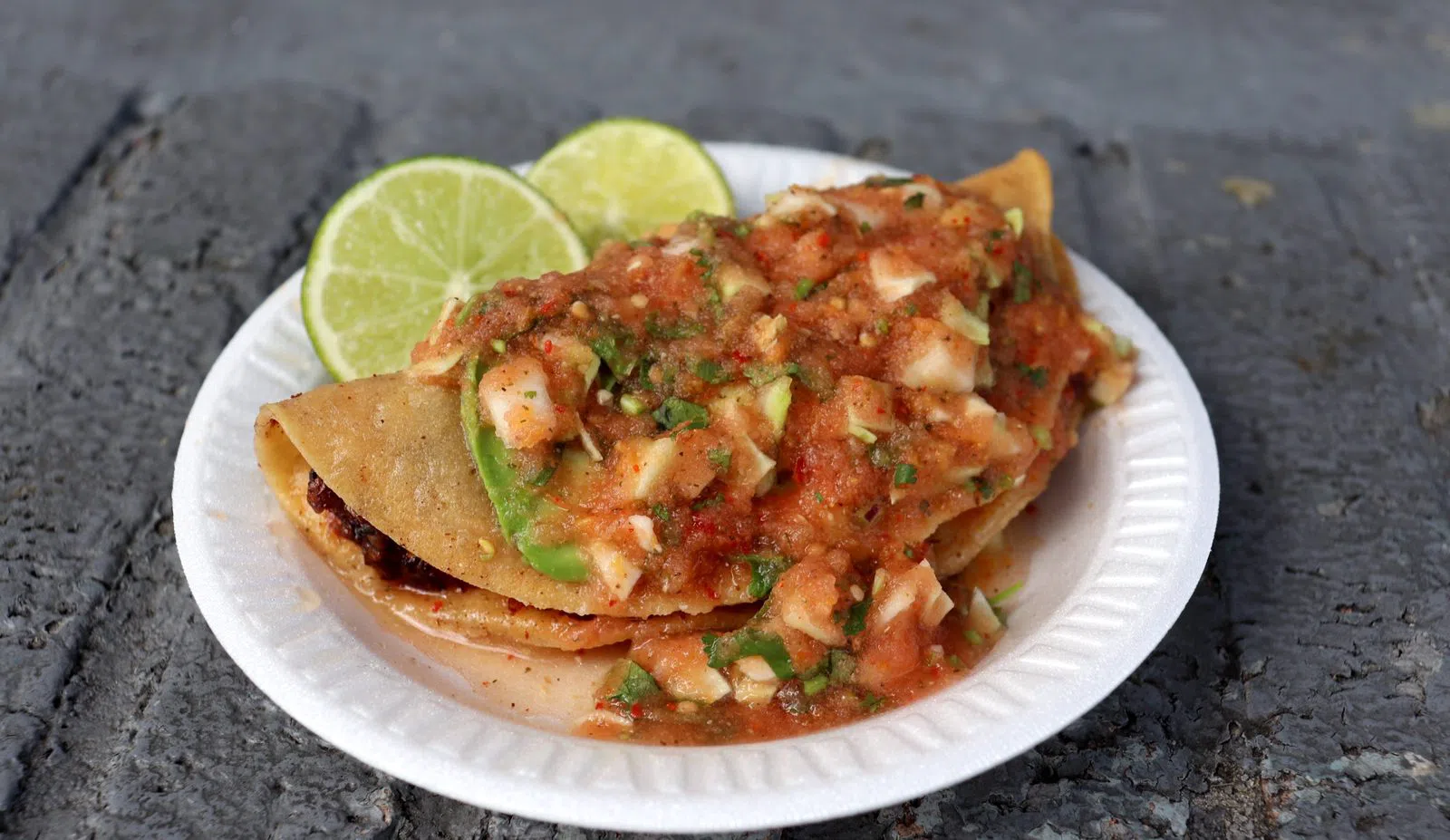
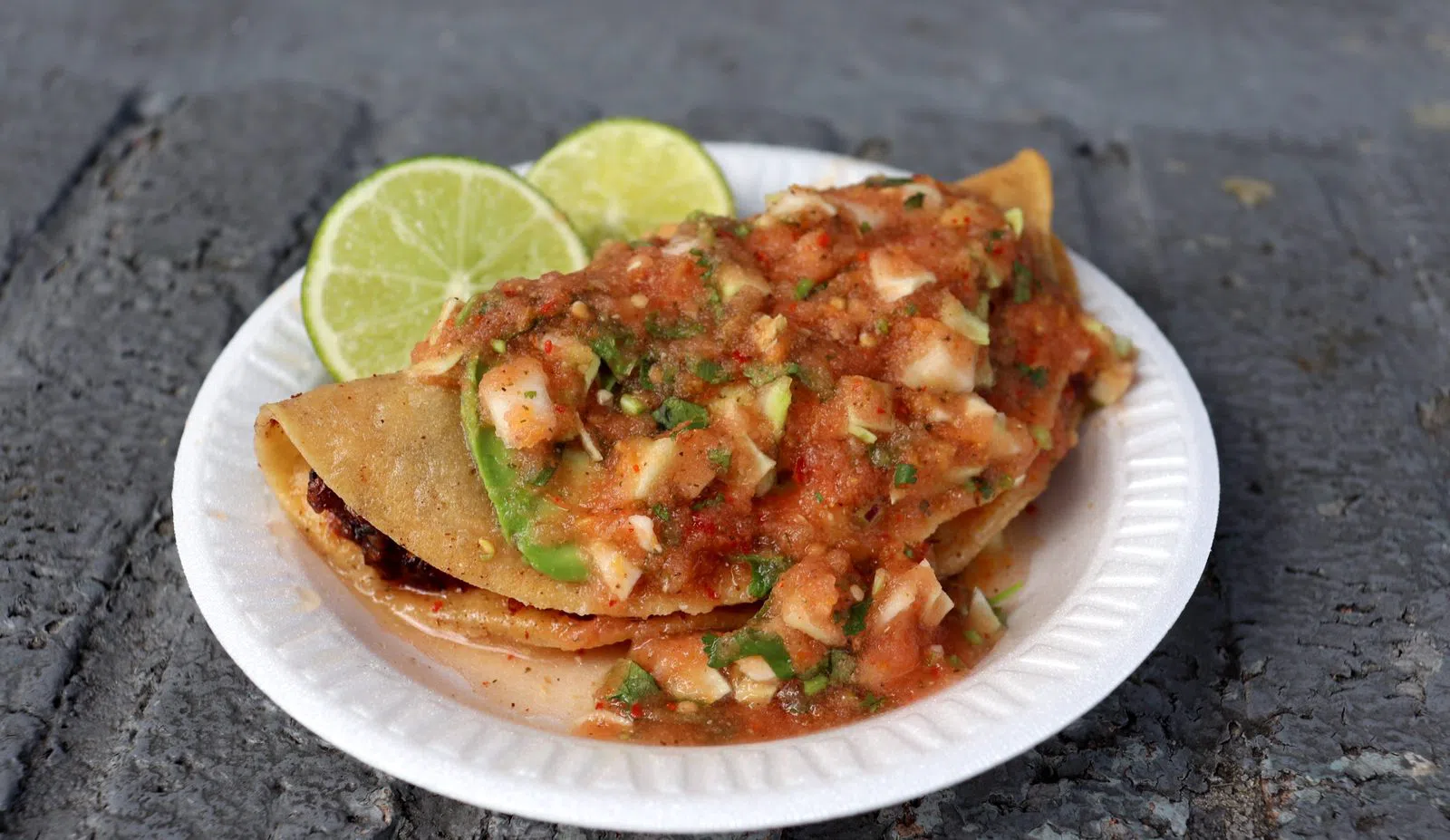
Mariscos Jalisco (Boyle Heights) is the only Michelin-listed taco truck in the city, and the definitive taco dorado de camarón — a shrimp taco fried until the tortilla shatters, dressed in salsa and avocado. This is a genuine pilgrimage, and a short one: it is a walk-up window with no reservations and no seating, so you order and eat on the curb, at roughly $4–5 a taco, with cash the easiest option. The catch is the clock — it runs at lunchtime only. Come for a daytime stop, not a late one. A mobile group is fine; a group that wants to sit is not.
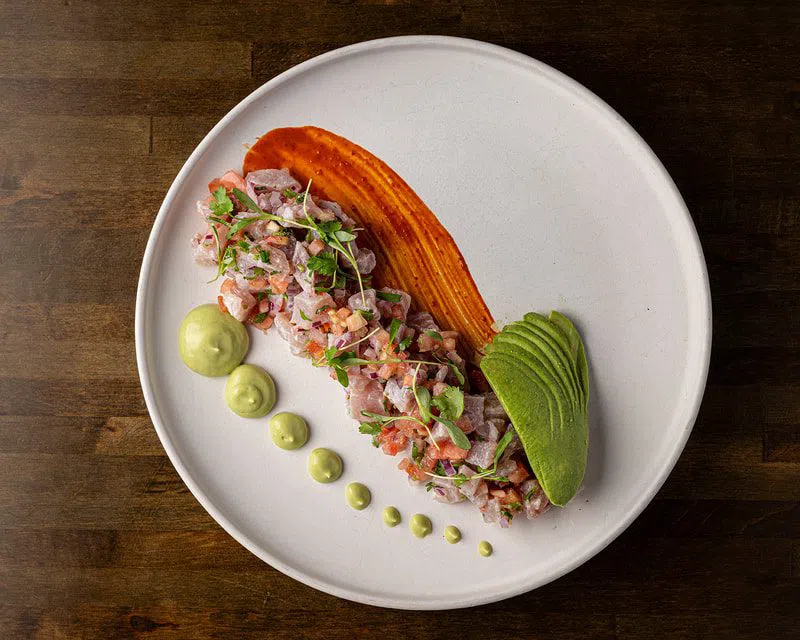
Holbox (inside Mercado La Paloma, South Los Angeles) is the high end of the form: the first Mexican seafood spot in the United States to win a Michelin star, and still counter-service inside a public market. Aguachiles, tostadas and raw preparations dominate, at $16–32 a dish — well above street pricing, and worth understanding before you go. It is walk-in only, with communal food-hall tables; weekend waits run 30–45 minutes, so couples and small parties move faster than large ones. Reserve nothing, arrive off-peak, and treat it as the ceiling of a tradition rather than a competitor to the trucks.
Away From the Corn Tortilla
Most Los Angeles tacos are built on corn. Two worth a deliberate detour are not.
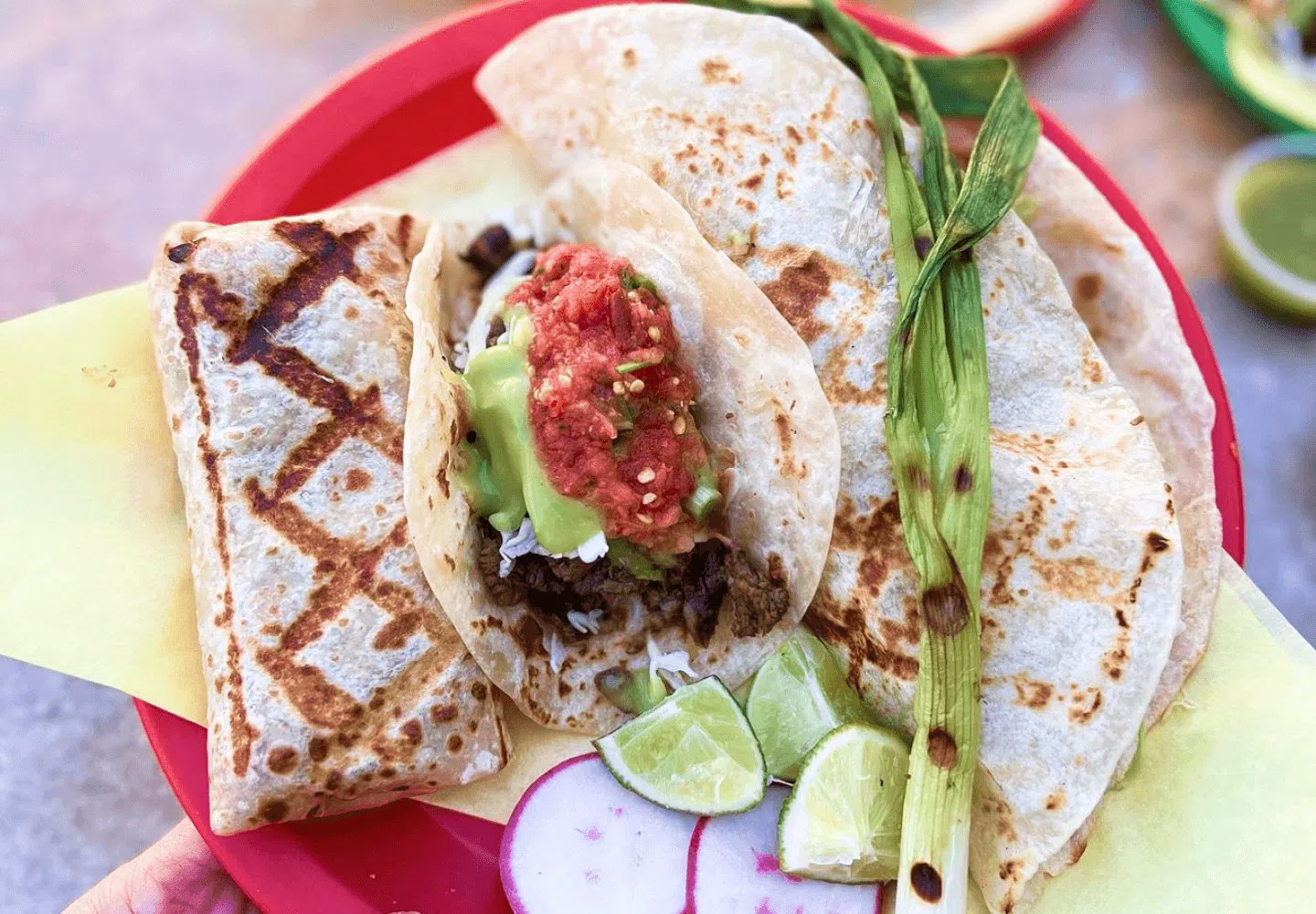
Sonoratown (Downtown, with counters also in Mid-City and Long Beach) works in flour — the Sonoran-desert style you rarely encounter this far from northern Mexico, the tortillas made by hand and cooked to order. The spaces are small counter-service rooms with tight seating, fine for a quick sit-down or takeaway rather than a lingering group meal. Tacos run about $4–6, the chivichangas a little more. It is a genuine counterpoint to the city's corn-tortilla norm, and one of the few reasons to plan a stop rather than stumble into one.
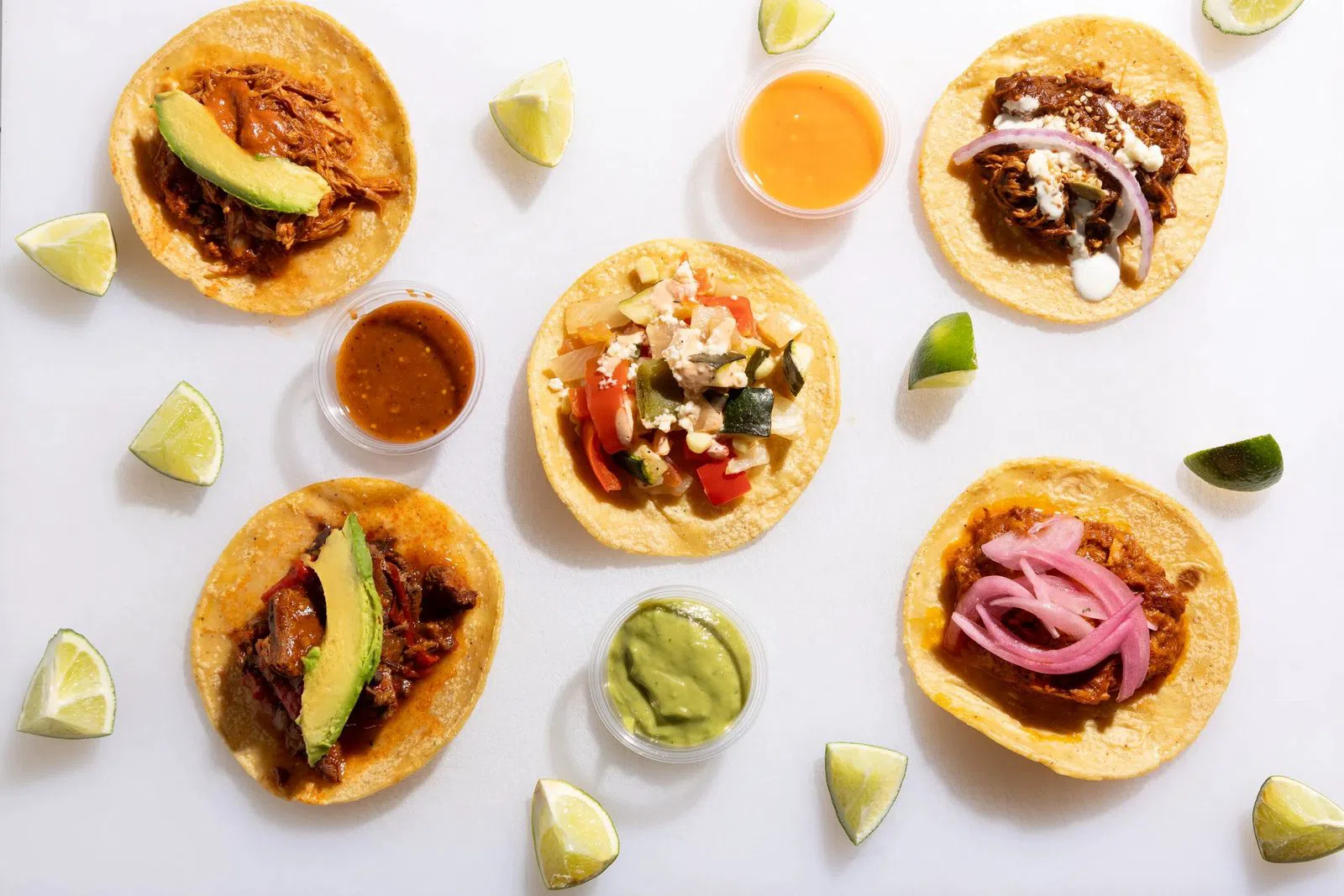
Guisados (Boyle Heights, with around ten locations) trades grilled meats for slow-braised guisados, spooned onto standout handmade tortillas. The move here is the sampler, roughly $14 for a row of small tacos that lets you taste the range in a single sitting — cochinita, chicharrón in salsa, whatever the day holds. Individual tacos are about $4–5. Seating is casual and the sampler is built for sharing, so groups do well. It is the gentlest, most comfortable sit-down on this route, and a useful daytime anchor between the trucks.
Smoke, Coal and Mesquite
Some of the city's best cooking happens over open fire, in settings that would raise eyebrows anywhere with a maître d'.
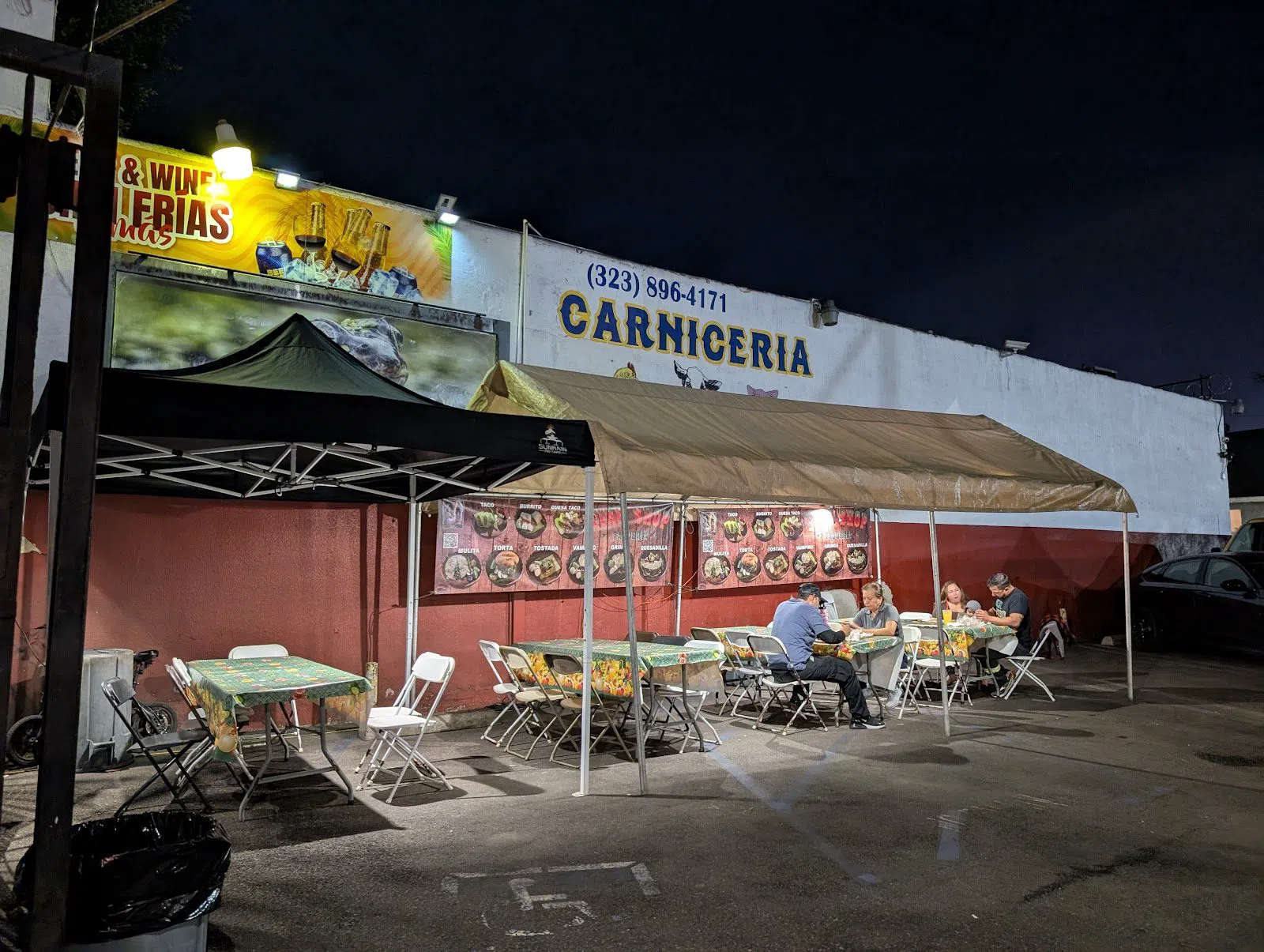
Tire Shop Taqueria (South Los Angeles) is exactly what the name says: smoky, coal-grilled meats served in the lot of a working tire shop, with outdoor seating and pure street-taco atmosphere. It runs evenings only and takes cash only — a few dollars a taco — so come prepared and expect a line. This is a place you visit as much for the setting as the food, and it rewards the adventurous rather than the cautious. Groups are welcome in the lot; bring small bills.
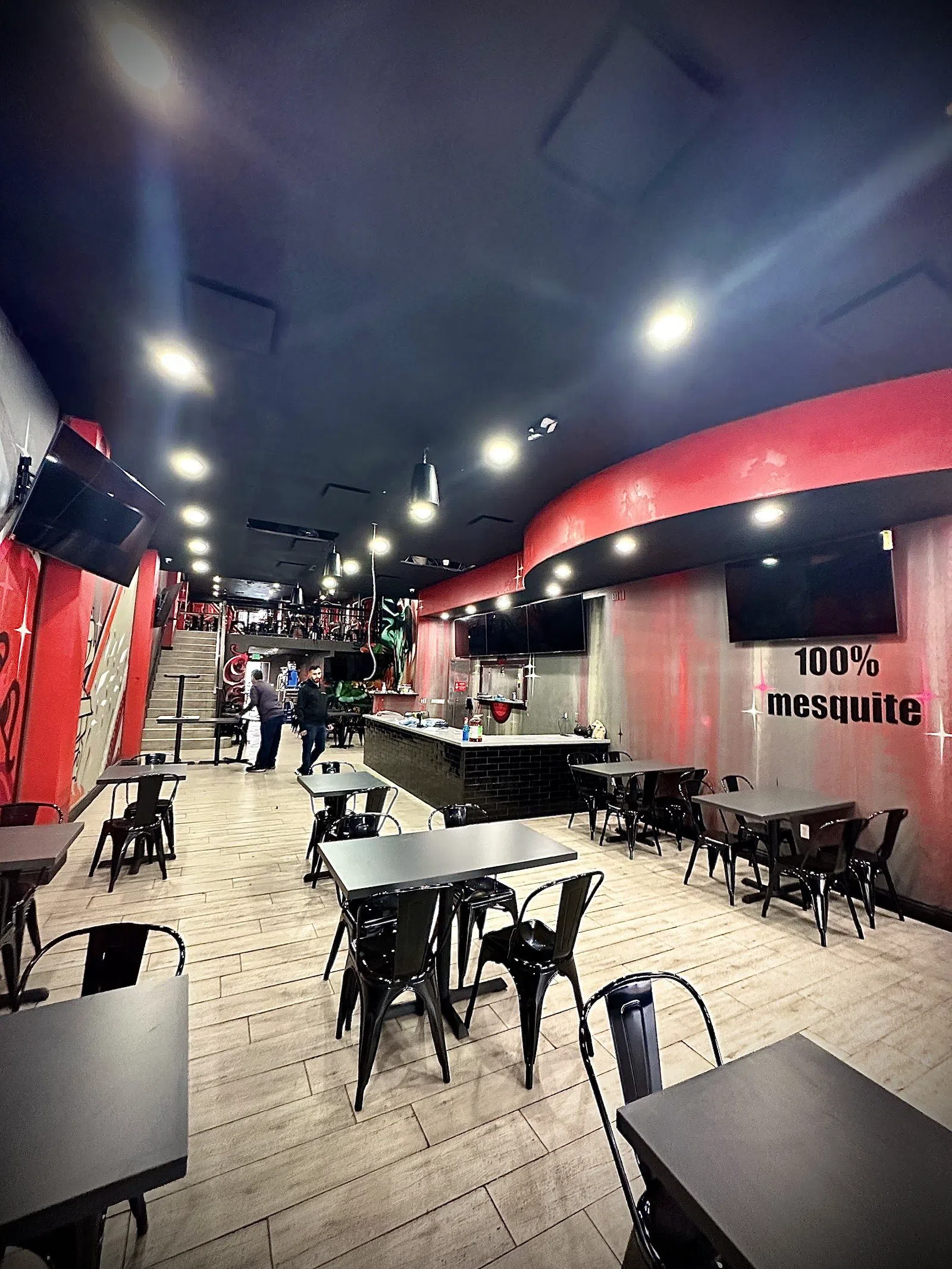
Tacos Los Cholos (a sit-down, two-storey taqueria in the eastern reaches of the metro) is the heartier, indoor counterpoint. The meats are al carbon, grilled over mesquite, and have been compared — fairly — to serious American barbecue, with a rare graded prime-cut option for those who want to trade up. Tacos run about $4–7, prime cuts higher. There is a full menu, long hours, and enough room to seat a group comfortably without a reservation. If the trucks leave your party wanting a table and a longer sit, this is where to take them.
The Late Shift
When the sit-down kitchens close, the trucks and stands become the city's dinner. This is when Los Angeles taco culture is most itself.
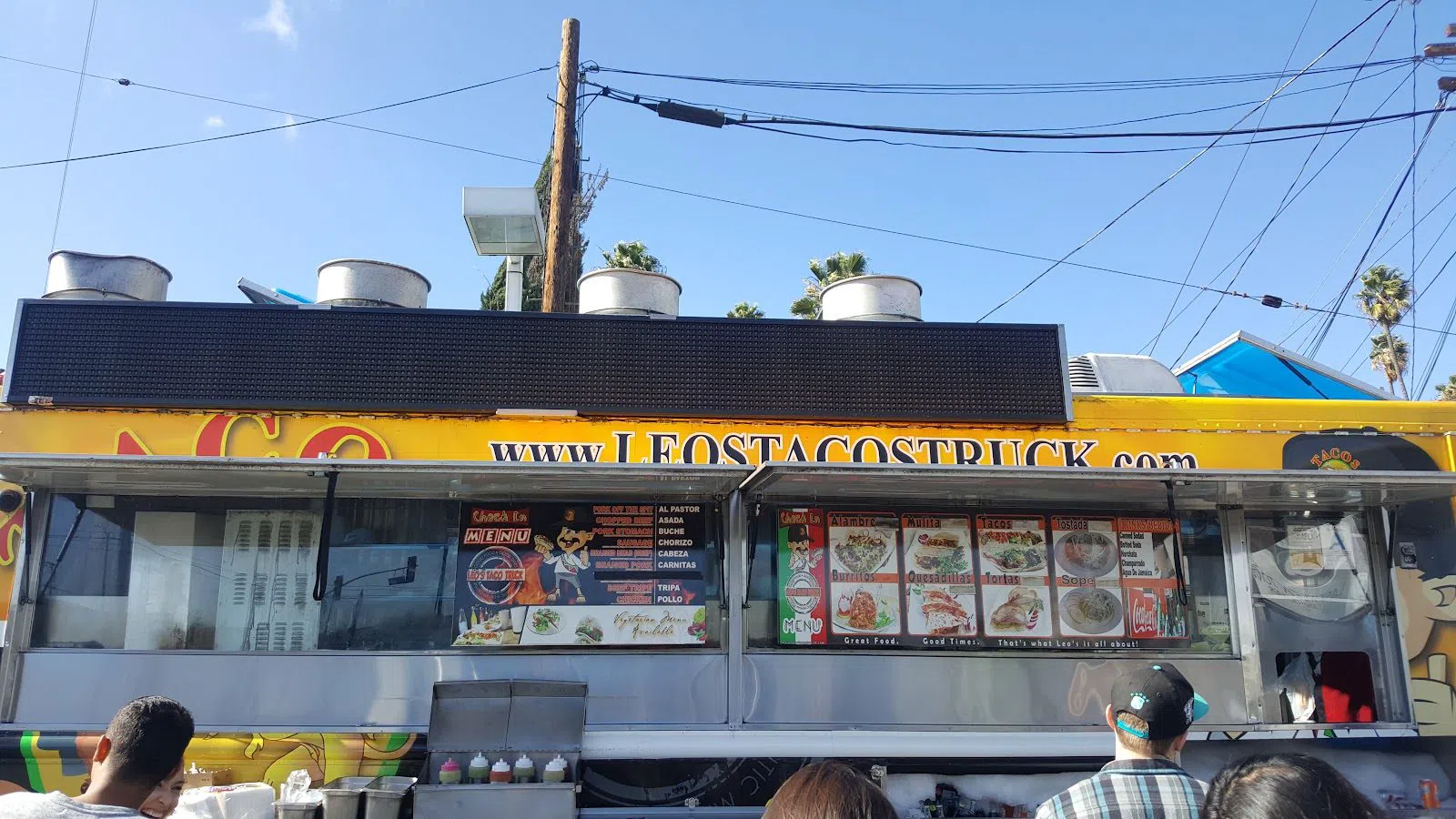
Leo's Tacos Truck (the trompo famously turning at a La Brea service station, among several locations) is the rite-of-passage al pastor stop — a tower of marinated pork with a flick of pineapple shaved straight onto the tortilla. At around $2–3 a taco it is famously cheap, and famously everywhere. There is no seating, but the volume and speed of the window make it ideal for a hungry group at an hour when little else is open. Go once, at least, for the theatre of the spit.
Angel's Tijuana Tacos (Eagle Rock) is a cult Baja-style curbside stand, known for its al pastor and its aguas frescas, running into the early hours. It is a stand-and-eat operation at roughly $3–4 a taco, with no seating — group-friendly only in the sense that everyone eats on their feet. One caution worth heeding: the name covers several stands, and some close or relocate. Confirm the Eagle Rock spot is open before you make the trek across town.
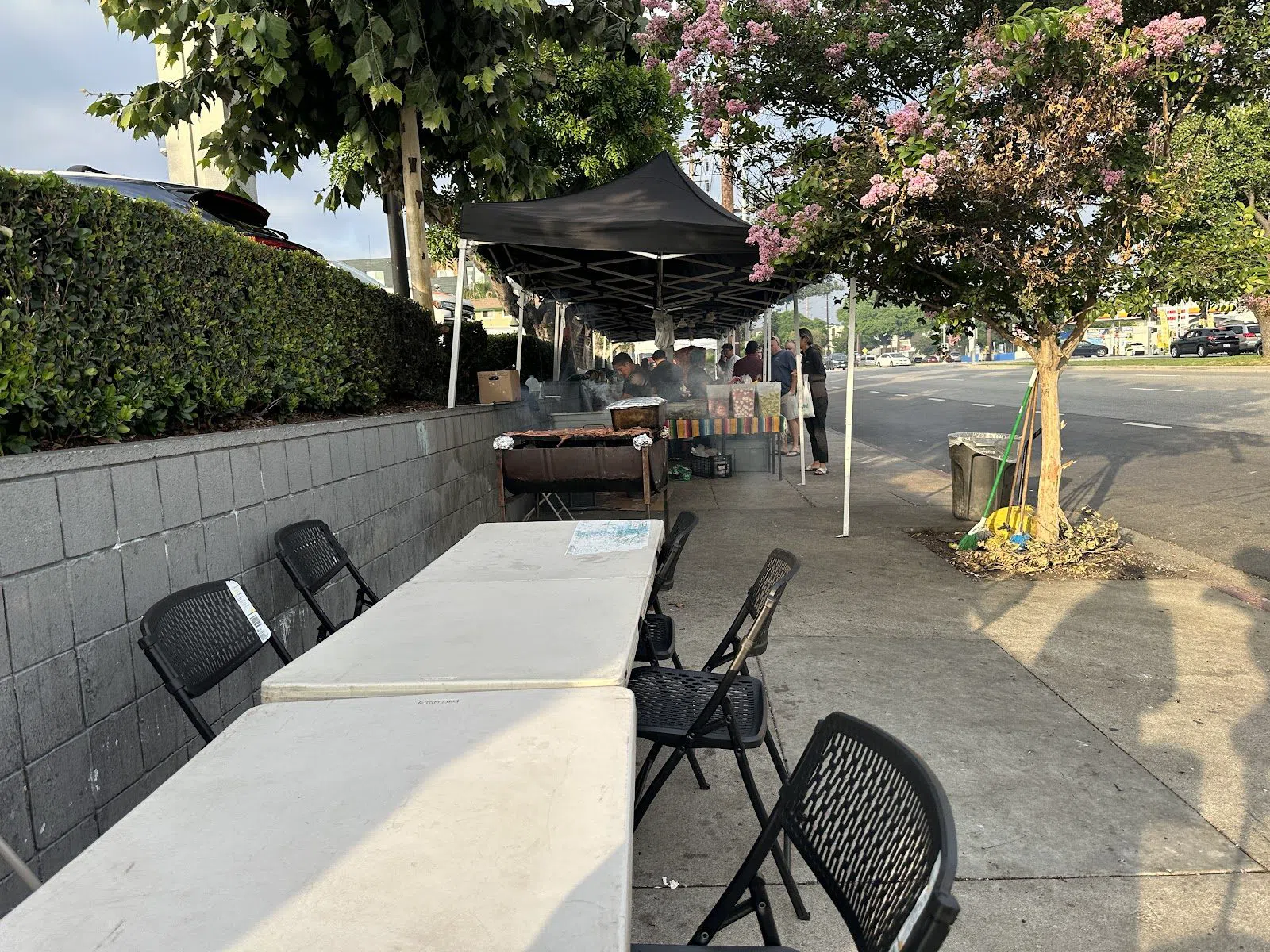
Teddy's Red Tacos (rotating trucks and small counters citywide) is the stand widely credited with helping launch the city's quesabirria wave — the cheese-and-consommé dip taco that has since travelled far beyond Los Angeles. Tacos run about $4–5, with birria plates higher. Seating varies from site to site, and this is the venue where location discipline matters most: the trucks rotate and some have closed, so check which are currently open before you set out.
For the Adventurous
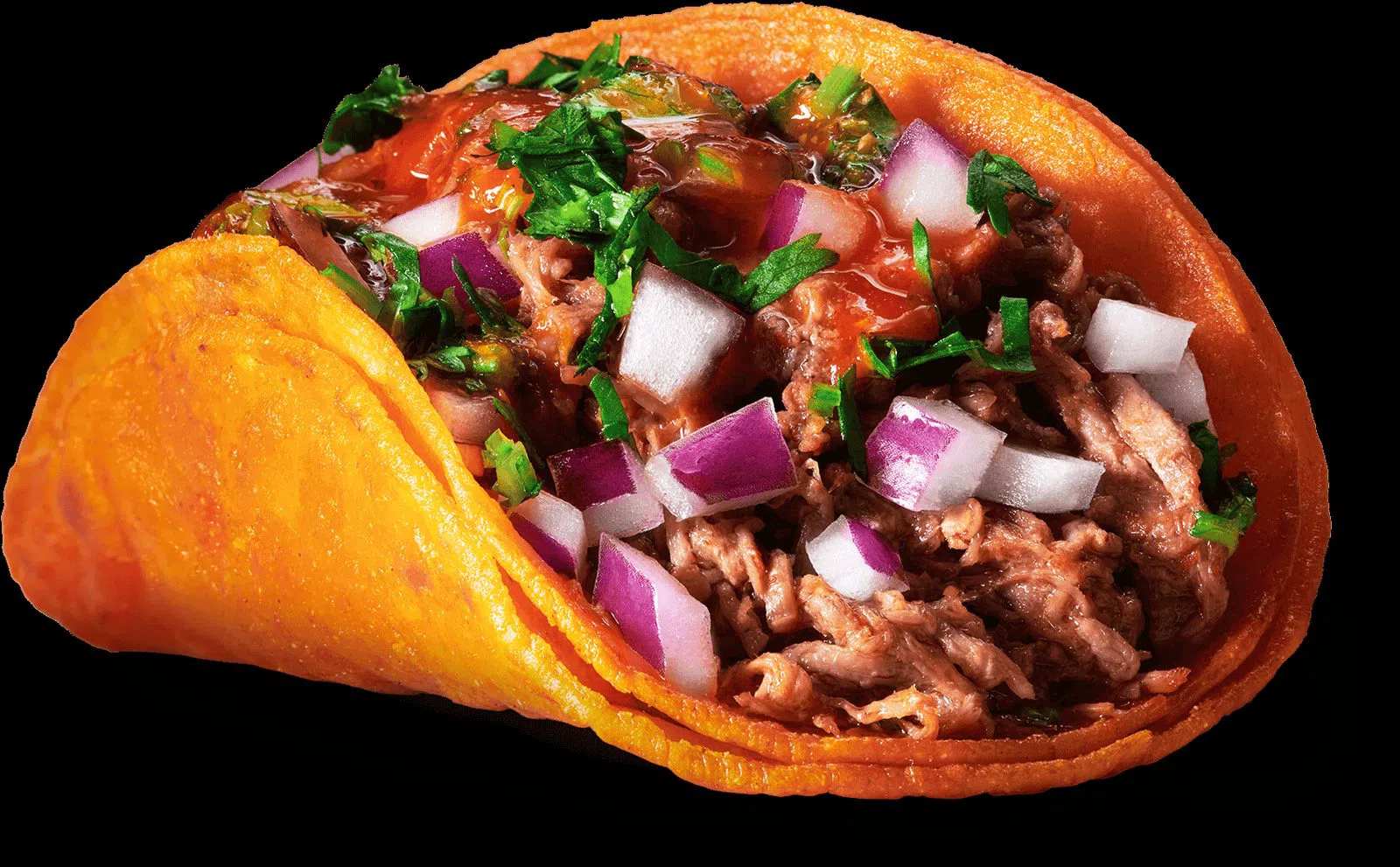
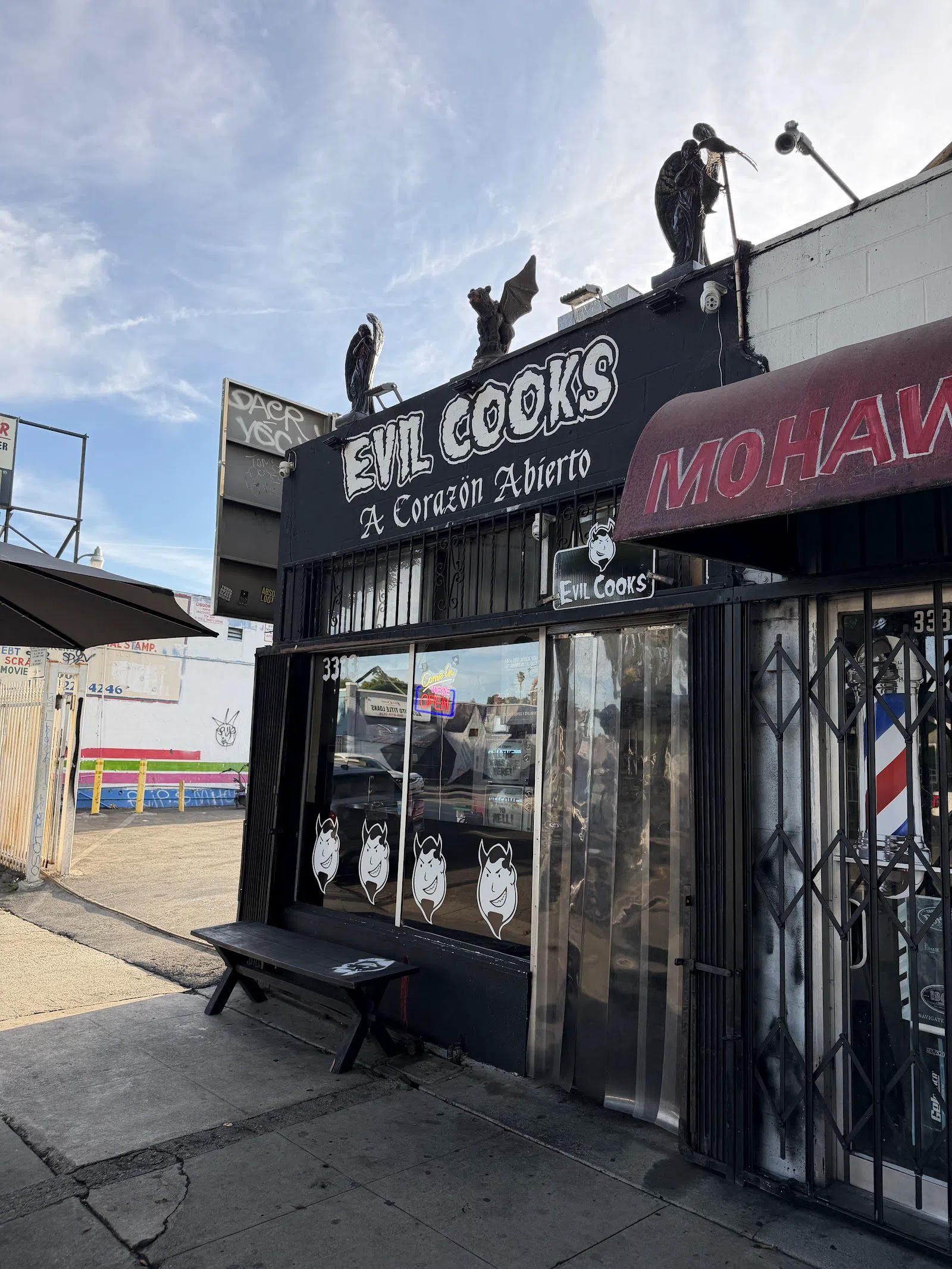
Evil Cooks (El Sereno) sits slightly apart from everything above — a metal-punk "rebel kitchen" doing wildly inventive work, from octopus al pastor to an alligator trompo. It is a brick-and-mortar space with seating and a bar-like feel, walk-in, at roughly $6–10 a taco. This is spectacle over tradition, and it knows it. Adventurous groups tend to love it; anyone chasing the platonic al pastor can skip it without regret. Slot it in when your party wants to be surprised rather than reassured — near the end of the route, when you have already tasted the classics it is playing against.
Practical Notes
Getting around. A few of these — Villa's Tacos, Sonoratown, Tacos 1986 — sit within reach of Metro rail or a short bus ride, and a car-free crawl is genuinely possible if you plan it. But the trucks and stands are scattered, and the late-night stops in particular reward a car or a rideshare; walking between neighbourhoods after dark is not the plan. Where you can, group stops by area: the eastern spread of Boyle Heights, Highland Park and El Sereno makes a coherent daytime run.
Cash. Tire Shop Taqueria is cash only, Mariscos Jalisco and most trucks are cash-friendly, and lines move faster when you have small bills ready. Carry more cash than you think you need.
Timing. Mariscos Jalisco is lunchtime only — build your day around it, not the other way round. Holbox and Guisados suit daytime and early evening. The trucks and stands — Leo's, Angel's, Teddy's, Tacos 1986 — hit their stride late, some running past midnight. A sensible arc runs from a Michelin daytime stop through the sit-downs to a truck at the end.
Budget. Street tacos here run from about $2 to $8 apiece, so a full crawl is inexpensive; Holbox is the deliberate splurge at $16–32 a plate. Budget one indulgent sit-down and let the trucks carry the rest.
Where to stay. Base yourself somewhere central and Metro-adjacent to keep the daytime stops walkable — start your Los Angeles hotel search around Downtown or the eastside neighbourhoods, and let the trucks come to you after dark.
Before you go
Where should a first-time visitor start with Los Angeles tacos?
Tacos 1986 is the safest opener — a polished, consistent introduction to Baja-style tacos with central, long-hours counters. Pair it with Villa's Tacos in Highland Park, a Bib Gourmand LA-style original that is Metro-accessible and easy for groups.
Which taco spots are cash only or cash-friendly?
Tire Shop Taqueria is cash only. Mariscos Jalisco and most of the trucks — Leo's, Angel's, Teddy's — are cash-friendly and move faster when you have small bills. Sit-down spots like Guisados, Holbox and Tacos Los Cholos take cards, but carry cash for the crawl.
Can I eat Los Angeles tacos without a car?
Partly. Villa's Tacos, Sonoratown and Tacos 1986 sit near Metro or short bus rides, so a daytime car-free crawl is possible. But the trucks and late-night stands are scattered across the city, and after dark a car or rideshare is the realistic way to link them.
What's the best late-night taco stop?
Leo's Tacos Truck, for its iconic al pastor trompo with a flick of pineapple, is the rite-of-passage late stop at around $2–3 a taco. Angel's Tijuana Tacos and Teddy's Red Tacos also run late — but confirm the specific stand is open first, as both rotate and relocate locations.
Is a Michelin-starred taco place worth it, and how does Holbox work?
Holbox is the high end of the tradition — the first US Mexican seafood spot to win a Michelin star — yet still counter-service inside a market hall. Dishes run $16–32, it is walk-in only with communal tables, and weekend waits reach 30–45 minutes, so arrive off-peak and go small if you can.