The Los Angeles issue
Giants Off the Coast: A Local's Guide to Whale Watching in Los Angeles
Where to sail from, which boat suits your group, and how to time a whale-watching trip along the Los Angeles coast in 2026 — from budget Long Beach catamarans to a full day among the giants.

By Tobias LindqvistThe city on foot and by Metro
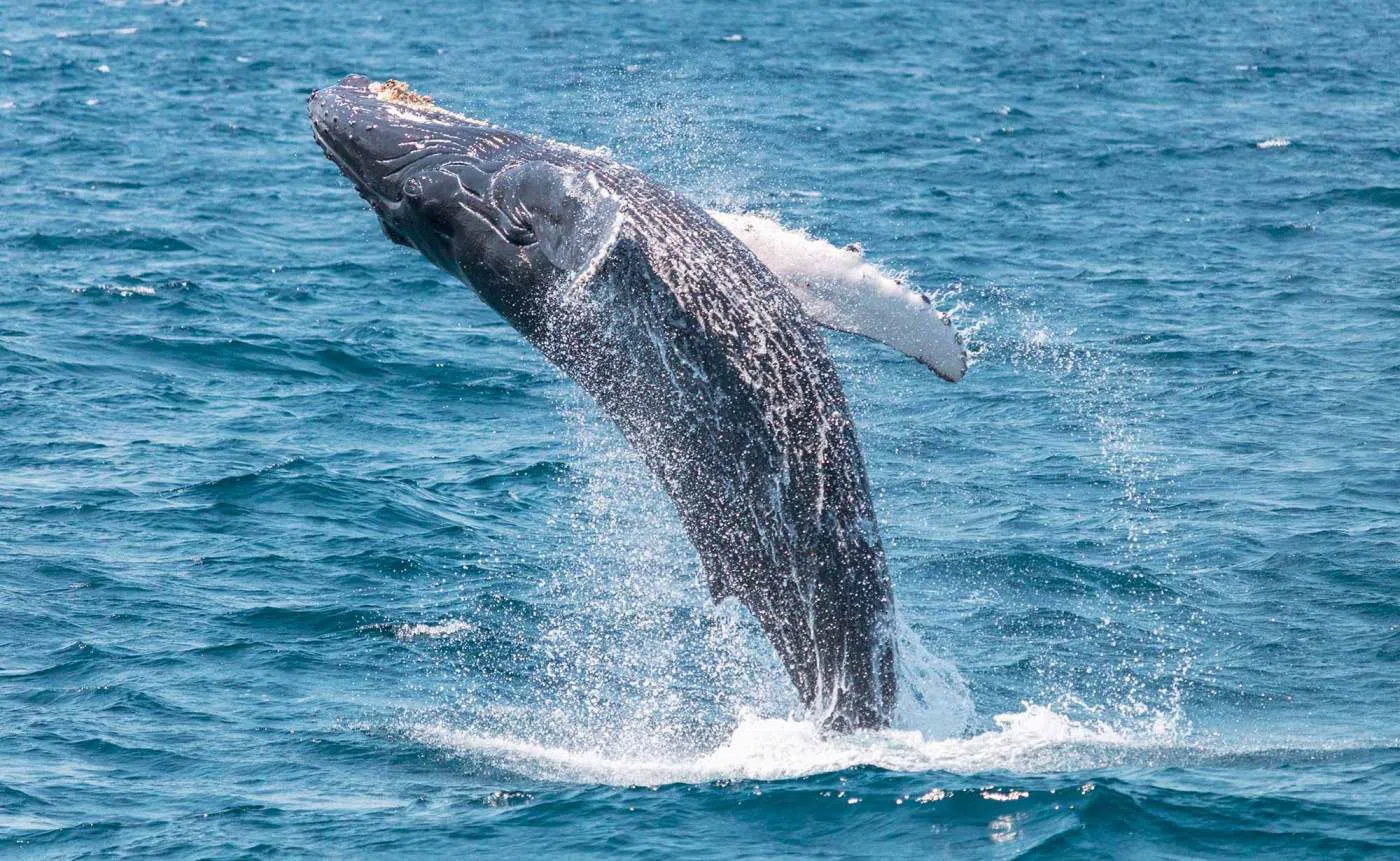
For a few months either side of the new year, the grey whale moves down this coast on one of the longest migrations of any mammal, and from the right boat you can watch it pass within sight of the container cranes. Come summer the giants change: blue and humpback whales arrive offshore to feed on krill, and the water off Los Angeles gets busier than most visitors expect. The real skill is not spotting a whale — the naturalists do that — but knowing which harbour to sail from, and which boat suits the people you have brought with you.
What you'll actually see, and when
Two seasons matter here. From roughly December to April the Pacific grey whale passes on its run down to the calving lagoons and back, close enough inshore that the shorter, cheaper trips regularly find them. From late spring into autumn — call it May to October, with June to September the strongest window — blue and humpback whales come to feed in the deeper offshore channels, and blue whales in particular are a summer proposition, not a winter one. Common and bottlenose dolphins are around all year, often in the hundreds, and on a slow whale day they are what saves the trip.
A word on honesty, since the marketing rarely offers it: no operator controls the ocean. Most quote a sighting rate rather than a promise, and a handful add a written guarantee, which in practice means a free return ticket, not your money back. Sailings run in most weather, so bring a layer more than you think you need — the harbour is warm, the open water is not.
If you are still deciding where to base yourself, the Los Angeles guide covers neighbourhoods and getting around; below I have grouped the boats by where they leave from, closest first.
Plan your Los Angeles trip
Live prices from our booking partners.
Free cancellation on many rooms. We may earn a commission when you book.
The Long Beach and San Pedro boats — closest to central Los Angeles
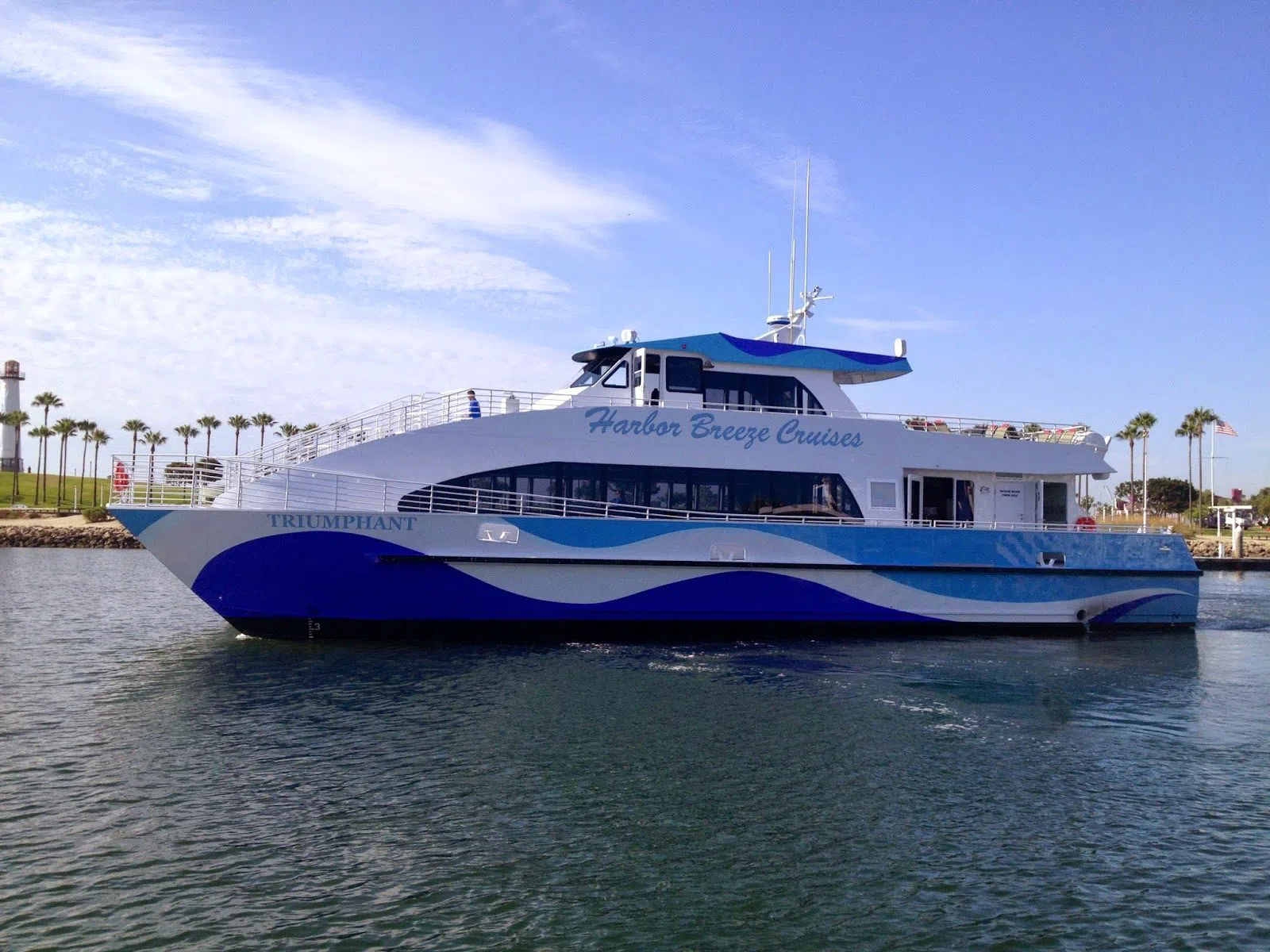
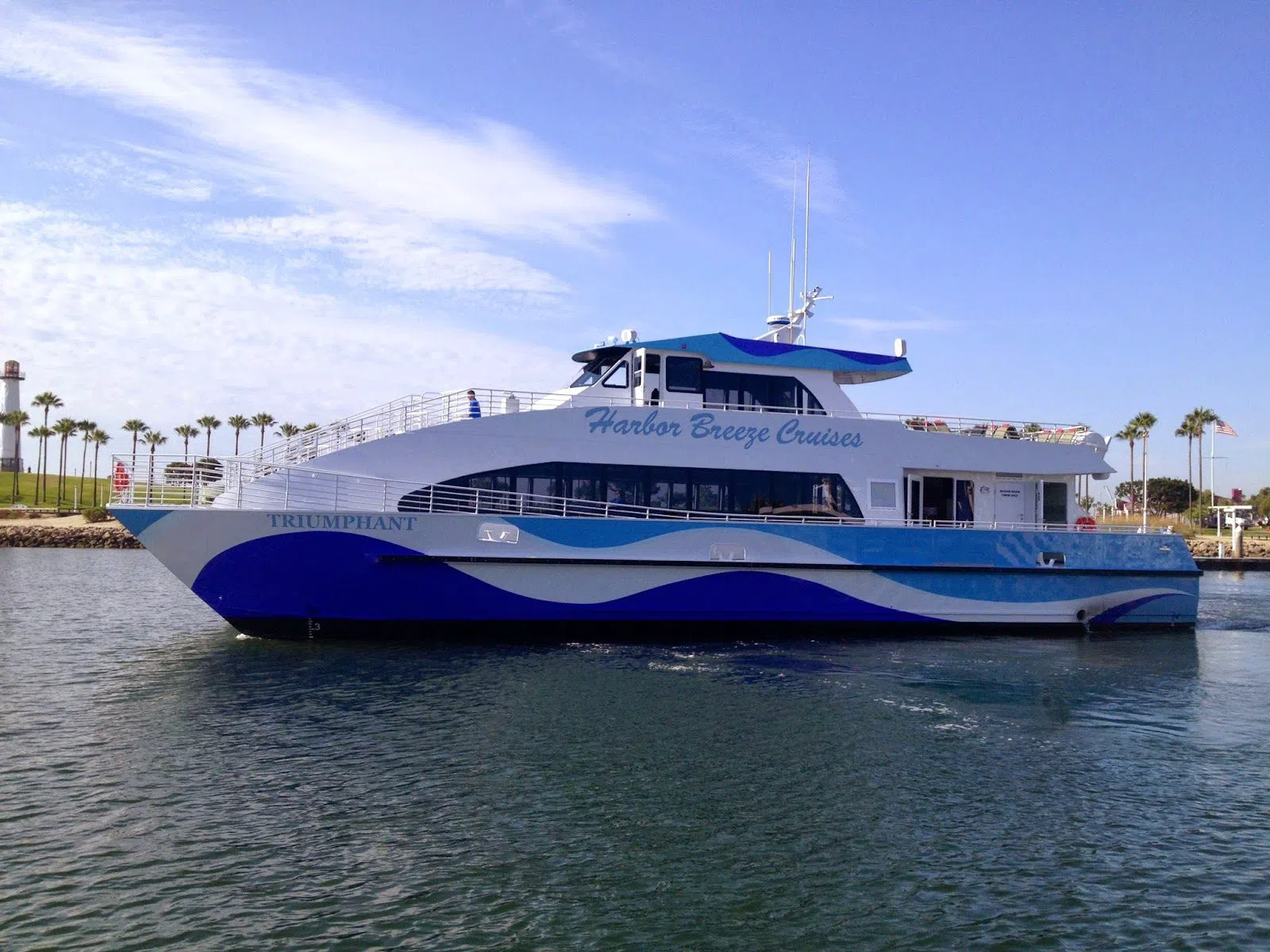
For most visitors staying in or near the city, the harbour at Long Beach is the sensible starting point, and Harbor Breeze Cruises (Rainbow Harbor, Long Beach) is the default. These are the big, stable catamarans — vessels carrying 149 to 250 passengers — with naturalists from the neighbouring Aquarium of the Pacific narrating on board. Adult tickets run about $45–50 and children around $30 for a two to two-and-a-half hour trip. What makes it the easy choice for a group is exactly that scale: a large boat is forgiving of seasickness, easy to book for ten or thirty people, and set up for corporate, school and private charters without fuss. If you see the same operation advertised as 'Whale Watching in LA' or 'LA Waterfront Cruises' out of San Pedro, that is the same Harbor Breeze company under different names — book whichever dock suits you and don't pay twice comparing them.
A short way along the same waterfront, Pierpoint Landing (Long Beach) is better understood not as a scheduled sailing but as the private-hire option. Its headline product is a three-hour private whale-and-dolphin yacht charter at roughly $598 for the group — which, split among a stag or hen party, an extended family, or a work outing, is a fair price for having the boat to yourselves and setting your own pace. Public whale trips do run seasonally, but they book up, so if a private charter is what you actually want, say so when you call rather than waiting for a public departure that may not appear.
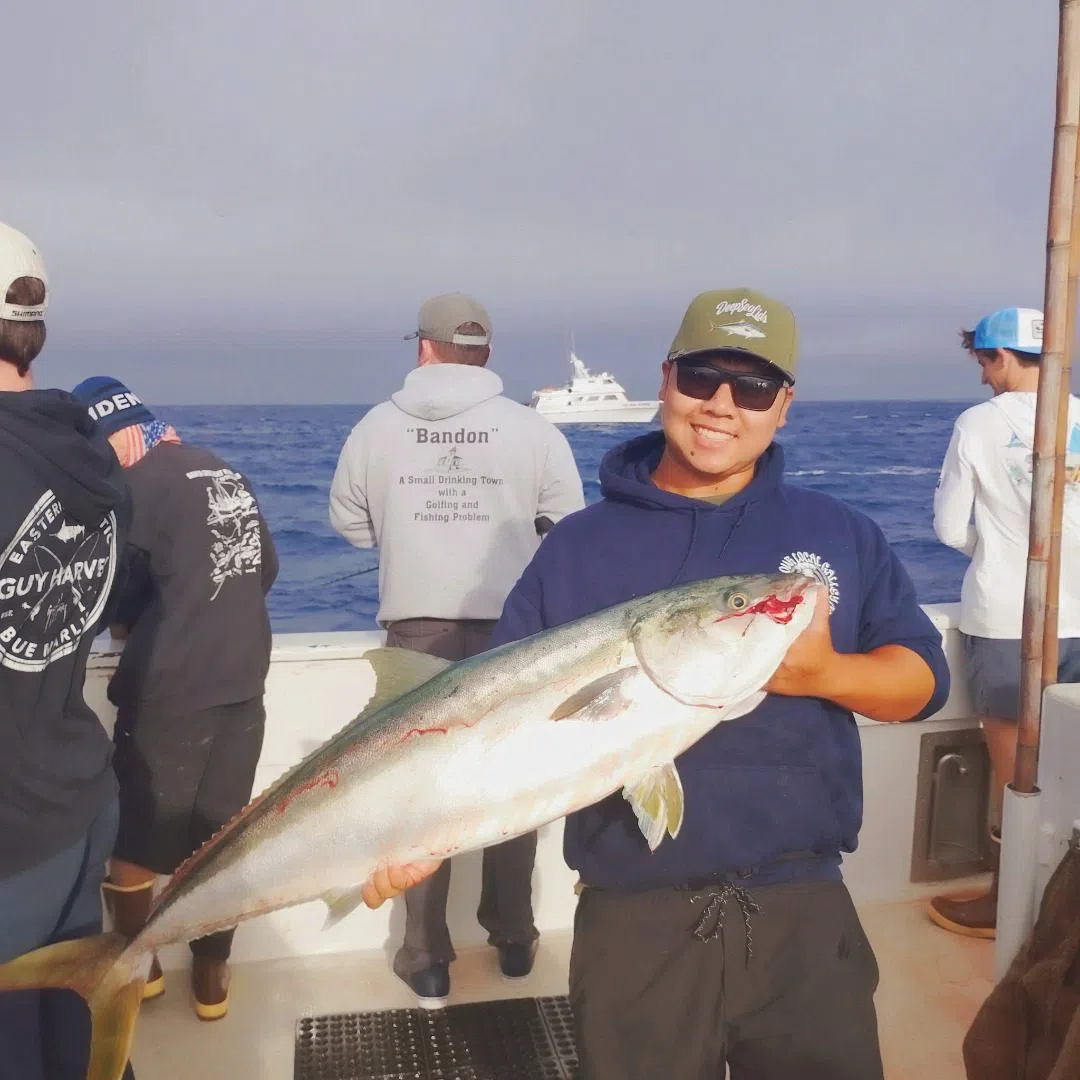
Across the main channel, 22nd Street Landing Sportfishing (San Pedro) is the more characterful, working-harbour choice. This is a salty old fishing landing with a proper seafood grill on site, and the whale watches run seasonally alongside the sportfishing boats rather than as a year-round operation. Charters and group trips are a core part of what they do, so it suits a group that likes the idea of a real fishing landing over a polished tourist dock — but check the calendar first, because the whale-watch dates are seasonal and not every day has a departure. San Pedro rewards arriving early enough to eat.
The Westside and the South Bay
If you are staying nearer the coast on the west side — Santa Monica, Venice, anywhere handy for the airport — the harbour run down to Long Beach can eat an hour each way, and two closer options make more sense.
Marina del Rey Sportfishing (Marina del Rey), which sails a boat called the Big Whale, is the westside-and-LAX-side pick, and the most convenient departure if you are based on that flank of the city. Trips start from around $53 for a roughly three-hour run, with private charters higher, and the operator handles schools, clubs and organisations as well as private nature charters. The honest caveat is scheduling: public whale-watch departures here can be seasonal and limited, so this is not a boat to turn up for on spec — confirm the timetable before you commit an afternoon to it.
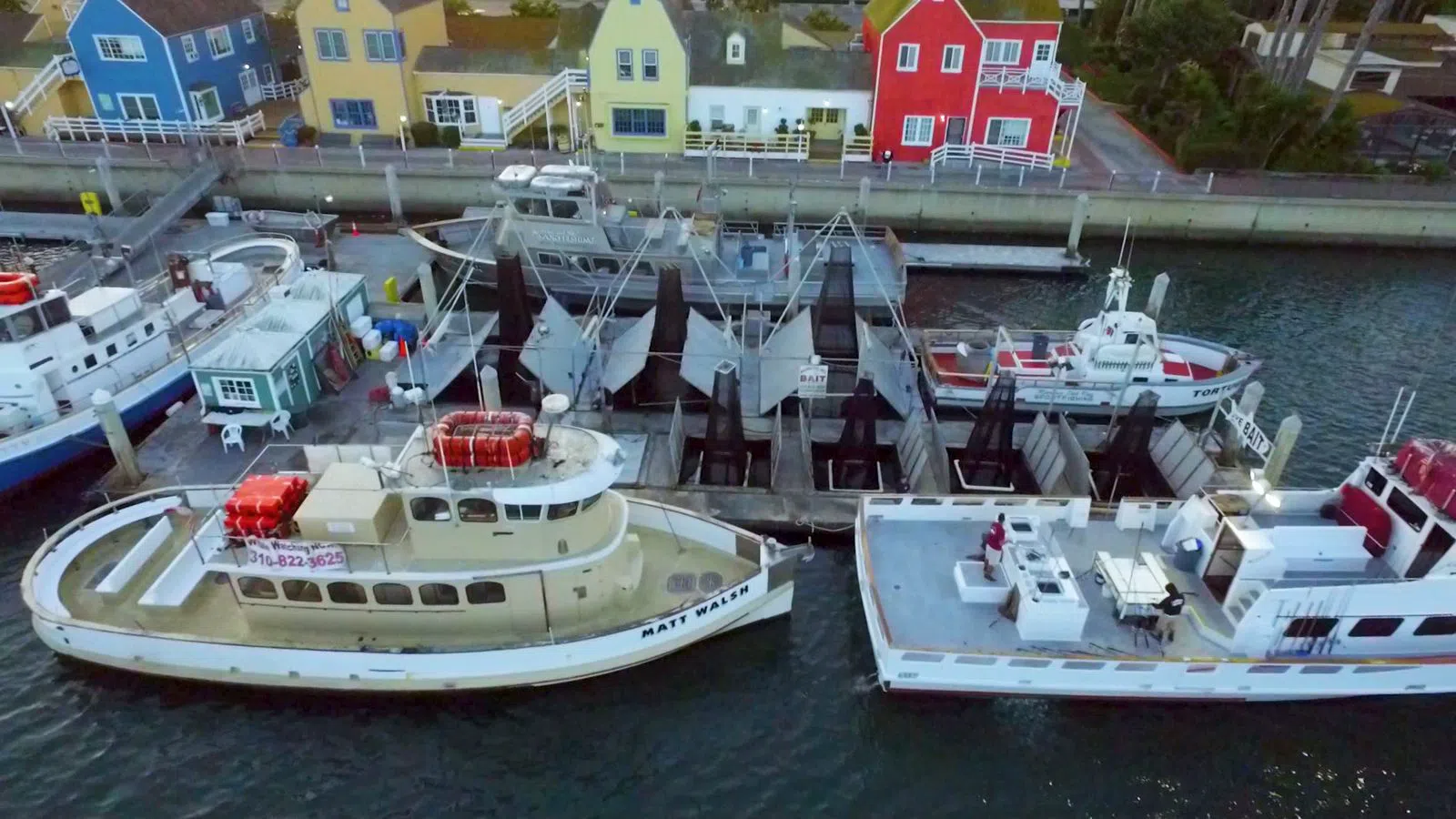
Further down the South Bay shore, Redondo Beach Whale Watch (Redondo Beach) — running the Voyager — is the bargain of the whole coast. Weekday adult tickets are around $15 and weekend ones about $25 for a two-and-a-half to three-hour trip, which is less than half what the Long Beach catamarans ask. The company has sailed daily since 1955, and it shows in the best and the plainest sense: the boat is older and more no-frills than the newer catamarans, without the aquarium-naturalist polish, but the value is genuine and the trip length is generous. Groups are welcome on the mid-size boat; call ahead for group rates rather than booking individual tickets online. If budget is the deciding factor, this is where it points.
South into Orange County
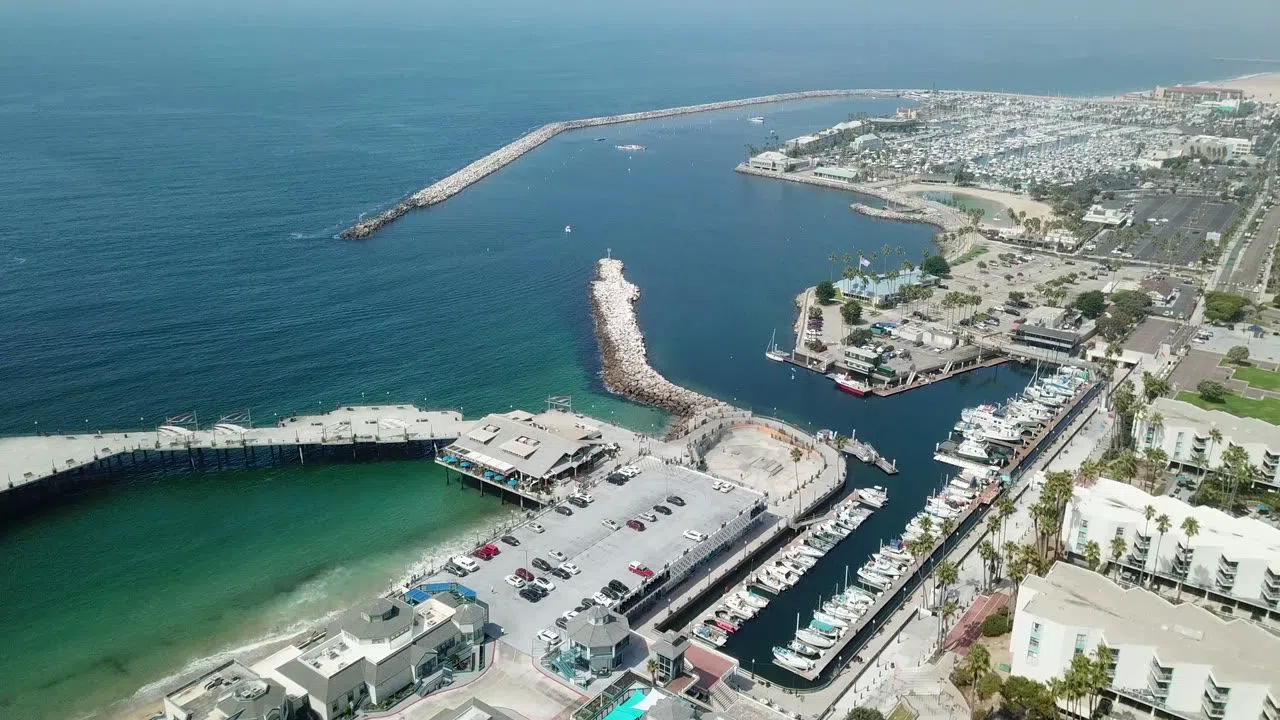
Head south of the city and you reach the coast that treats whale watching as a local industry rather than a sideline. These are day trips — 40 to 60 miles from central Los Angeles — so they are worth it on odds and quality, not convenience, and best planned as a full outing.
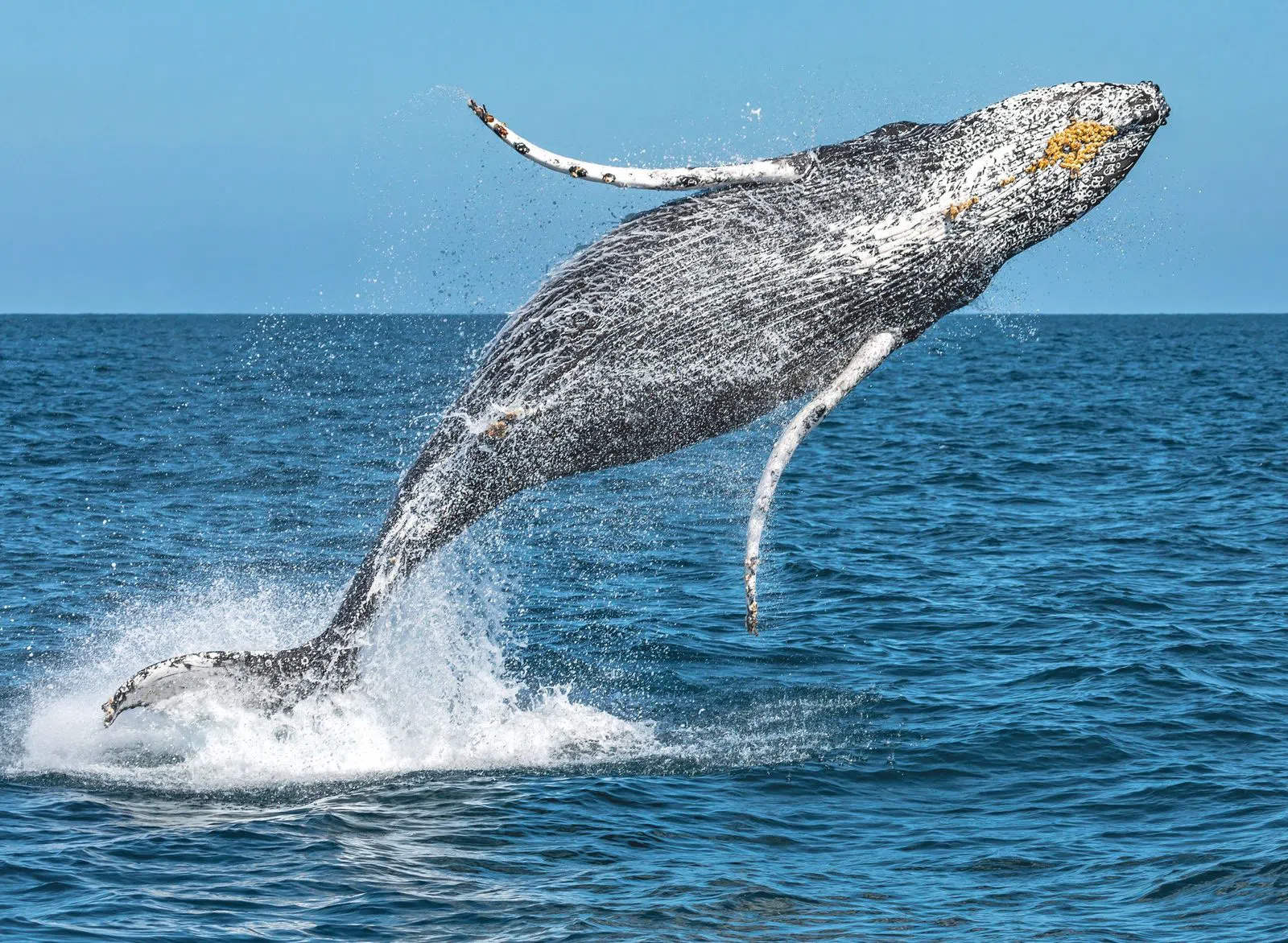
Davey's Locker & Newport Landing Whale Watching (Newport Beach) is the high-volume, family-friendly workhorse of the group, about 40 miles south. The two names share a fleet and a booking system, so treat them as one operation. They run large, purpose-built viewing boats with group rates and private charters, and prices are very reasonable — from roughly $20 to $45 for a two to two-and-a-half hour trip. For a family or a mixed-age group wanting a cheap, reliable day on a stable boat, this is the straightforward answer south of the county line.
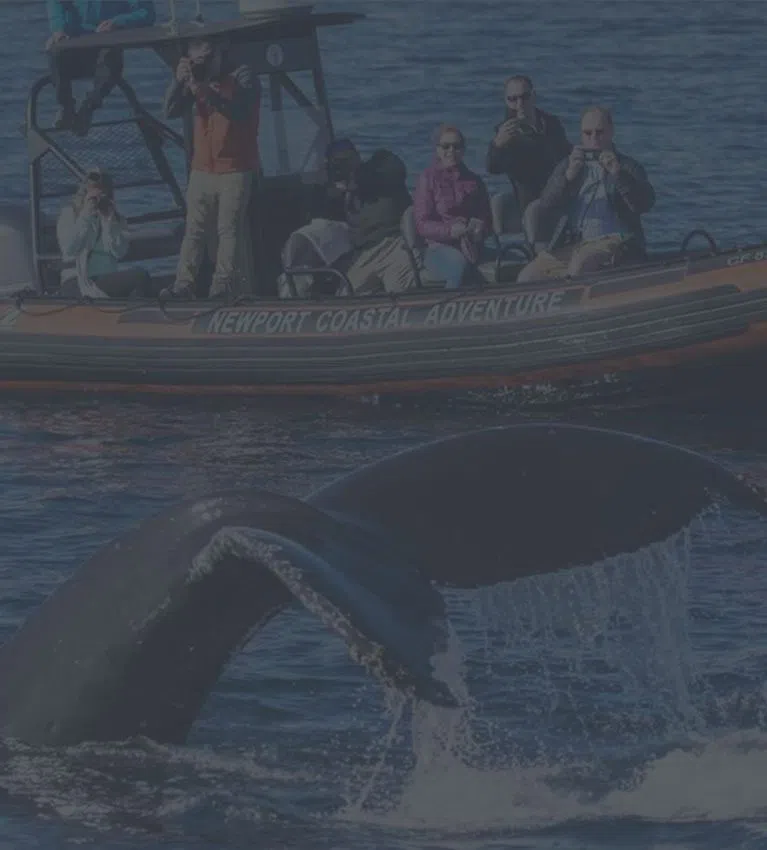
At the other end of the scale, and from the same harbour, Newport Coastal Adventure (Newport Beach) runs small-group Zodiac trips — rigid inflatables — capped at around six passengers on a private booking. This is the adventurous, close-to-the-water option: fast, low, spray in the face, and much nearer the animals than a big deck allows. Expect a premium per head, roughly $70–100 and up, and understand the trade: it is intimate and exciting but low-capacity, so it works for a couple or two or three friends and is entirely the wrong tool for a coach party. If someone in the group gets seasick, the big boat is kinder.
Carry on to Dana Point, a harbour that has built its identity around whales, and you find two contrasting boats. Dana Wharf Sportfishing & Whale Watching (Dana Point) has been running since 1971 and offers a sighting guarantee — the free-return kind — which, in a place that bills itself as a whale-watching capital, at least backs the claim with something. Trips start from about $55 for two hours and take everyone from solo travellers to large groups, with private charters available. For a UK reader who wants the best odds of actually seeing an animal and is happy to make the drive, this is the pragmatic choice, roughly 60 miles out.
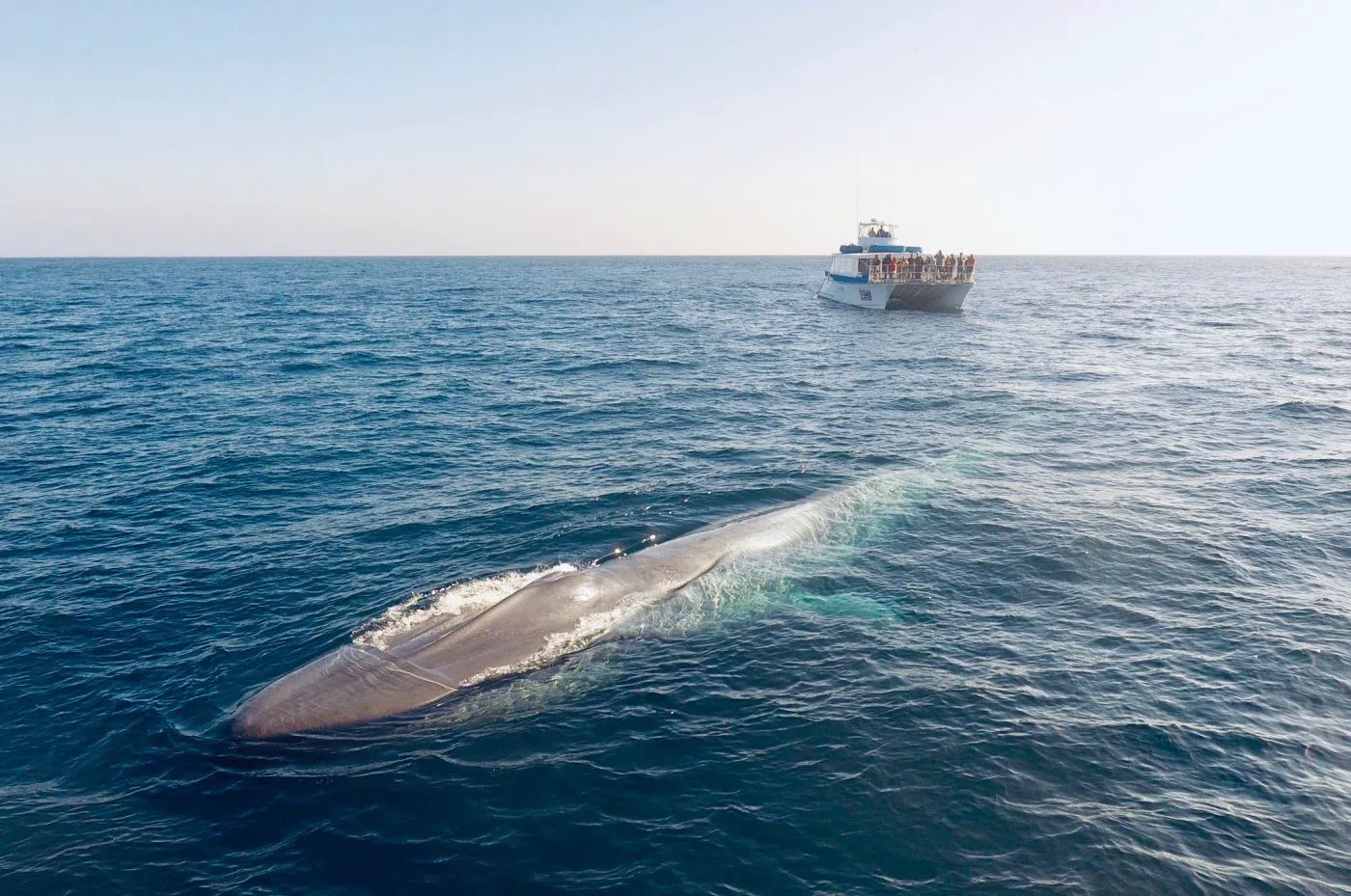
Sharing that harbour, Capt Dave's Dana Point Dolphin & Whale Watching Safari (Dana Point) is the one to feature if you want the trip to be an event in itself. It sails an eco catamaran fitted with underwater viewing pods and bow nets you can lie in above the water, which makes for genuine eye-to-eye encounters rather than a view from a rail. Public small-group safaris run from about $87–100 for two-and-a-half to three-and-a-half hours, and private charters take up to 149. It is a premium boat and a long drive, but if the aim is a memorable day rather than a quick harbour loop, it earns its price.
The long day trips — for the biggest whales
Two trips sit apart from the rest, far enough that you commit the whole day, but they reach water the harbour boats cannot.
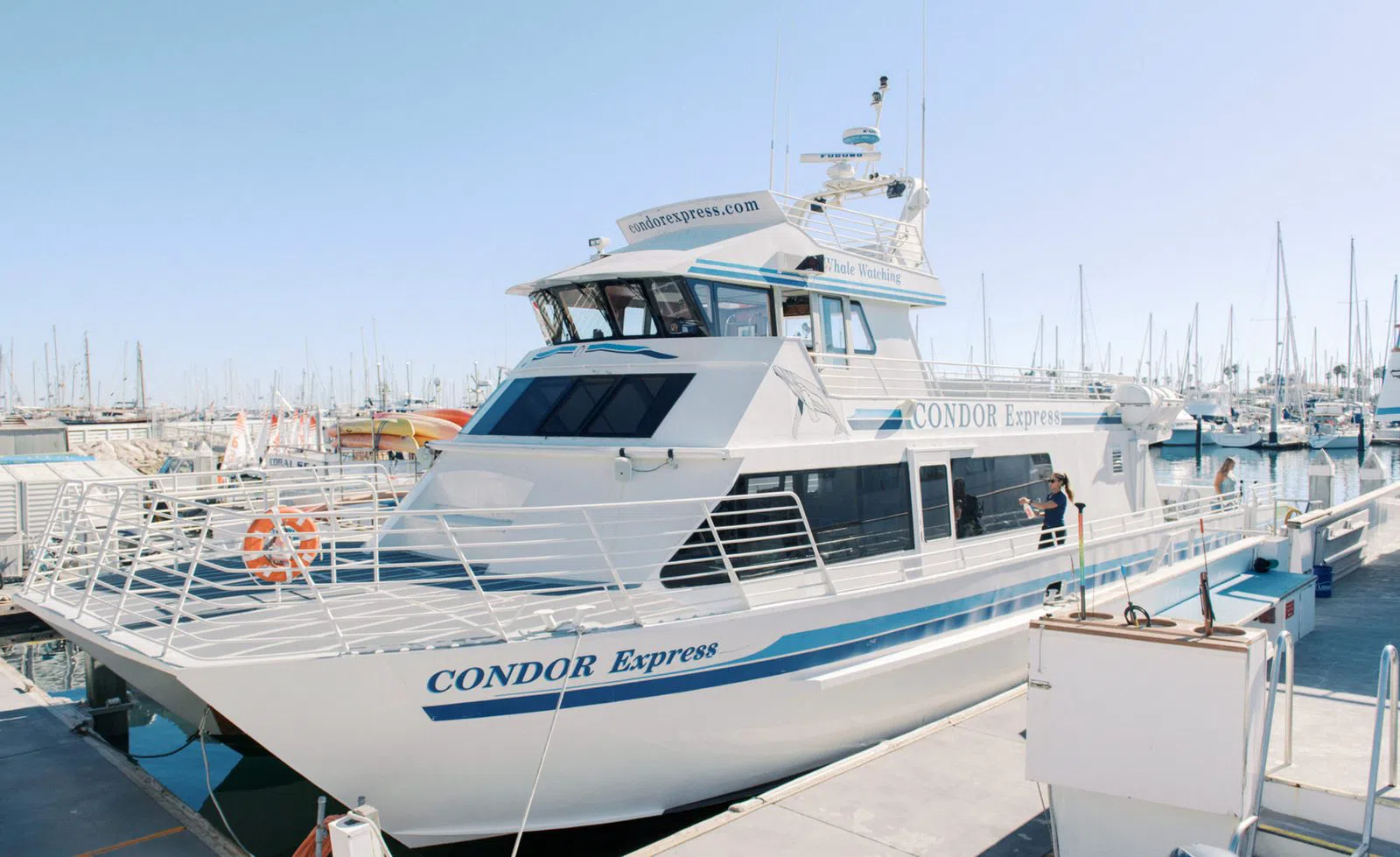
Condor Express (Santa Barbara Channel) is the boat to take for blue whales. The channel it works is one of the richest blue-whale feeding grounds anywhere, its deep water thick with the giant krill they eat, and in summer the sightings can be extraordinary — though I will leave the adjectives to the whales. Trips run roughly $60–100 depending on length, the boat takes groups, and private charters for weddings and corporate events are available. The catch is distance: it is about 95 miles up the coast from Los Angeles, so pitch it as the premium excursion, a planned day out rather than a morning's diversion.
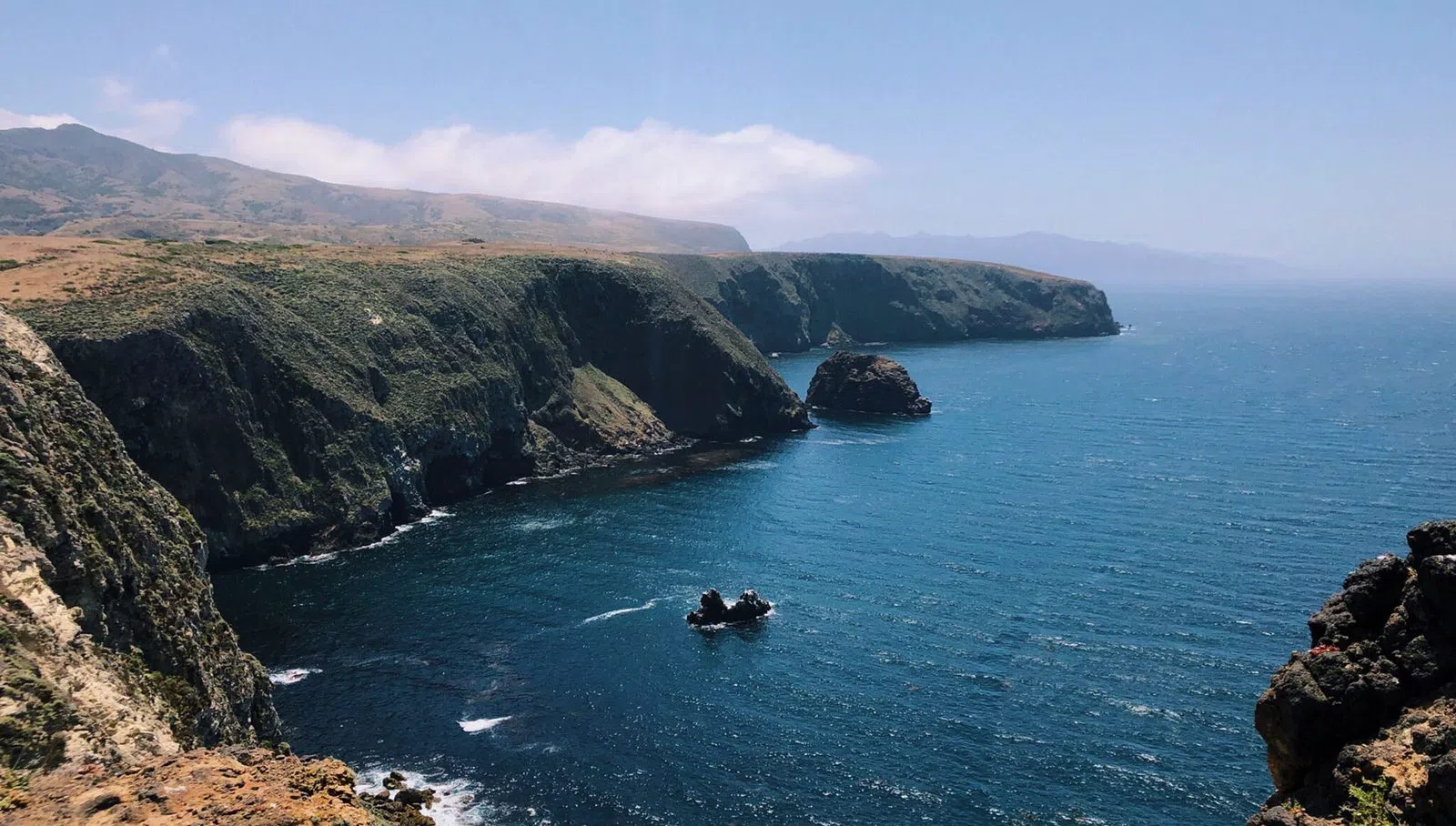
Island Packers Cruises (Channel Islands, out of Ventura) is the choice for a serious wildlife day, about 65 miles from the city. As the authorised Channel Islands National Park concessioner, it runs full-day crossings — five to six hours — out to the islands' krill grounds, where blue and humpback whales feed on the summer runs from June to mid-September. Fares are around $60–90 for the full day. This is not a quick harbour trip: it is a long day on the water, group-friendly but best suited to keen naturalists who want the islands as much as the whales. Bring food, bring layers, and treat it as the main event of the day, not a slot in it.
Planning notes — transport, cash and timing
Getting there. Long Beach is the one harbour you can reach cleanly without a car: the Metro A Line runs from Downtown Los Angeles to Downtown Long Beach, and Rainbow Harbor is a walk from the terminus. San Pedro, Marina del Rey and Redondo Beach are reachable by bus but are genuinely easier by car, with paid parking at each harbour. For the Orange County boats and Santa Barbara, public options exist — the Pacific Surfliner rail line runs south past Newport and north to Santa Barbara — but connections to the harbours themselves are awkward, so most visitors drive. Leave more time than the map suggests; the coast road is slow on weekends.
Cash and booking. Book online ahead for the big catamarans in season, especially at weekends and over the winter grey-whale peak, when trips sell out. For group rates, private charters and the smaller operators, phone rather than clicking — Redondo Beach, Marina del Rey, Pierpoint and the Zodiac trips all handle groups better by conversation. Card is fine everywhere; carry a little cash for parking machines and the harbour grills.
Timing and budget. Morning sailings tend to have calmer water than the afternoon, which matters if anyone is prone to seasickness. For the cheapest day on the water, the Long Beach and South Bay boats start around $15–50; for the best chance of a blue whale, budget a full day and the drive to the Santa Barbara Channel or the Channel Islands. And book your bed before your boat — the Los Angeles hotel search will place you near whichever harbour you have chosen, which saves an hour of coast road on the morning you most want to be early.
Before you go
When is the best time to go whale watching in Los Angeles?
Two seasons matter. Grey whales pass close inshore from roughly December to April on their migration, which suits the shorter, cheaper trips. Blue and humpback whales feed offshore from late spring into autumn — May to October, strongest June to September — so summer is the time for the biggest whales. Dolphins are present year-round.
Which whale-watching trip is cheapest?
Redondo Beach Whale Watch, sailing the Voyager since 1955, is the bargain of the coast at around $15 on weekdays and $25 at weekends for a two-and-a-half to three-hour trip. The boat is older and no-frills, but the value is genuine. Davey's Locker & Newport Landing in Orange County also start from about $20.
What's the best whale-watching trip for a large group or a stag or hen party?
Harbor Breeze Cruises in Long Beach is the easy default: big 149–250 passenger catamarans that handle corporate, school and private bookings without fuss, and it's reachable by the Metro A Line. For a group wanting its own boat, Pierpoint Landing runs a three-hour private whale-and-dolphin yacht charter at around $598 for the whole party.
Are you guaranteed to see a whale?
No operator controls the ocean, so most quote a sighting rate rather than a promise. A few, including Dana Wharf in Dana Point, offer a written guarantee — but that means a free return trip, not a refund. On a slow whale day, the large pods of dolphins usually still make the trip worthwhile.
Where can I see blue whales near Los Angeles?
Blue whales are a summer proposition and need the deeper offshore channels. The Condor Express in the Santa Barbara Channel, about 95 miles up the coast, works one of the world's richest blue-whale feeding grounds. Island Packers' full-day Channel Islands crossings, roughly 65 miles out, also reach blue and humpback feeding grounds from June to mid-September.